Subtotal $0.00

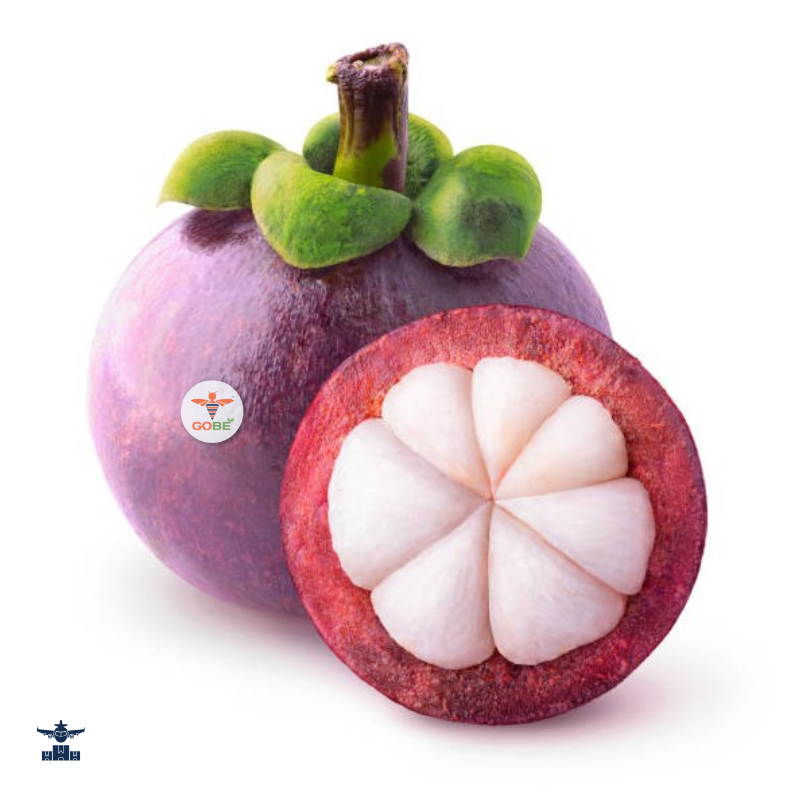
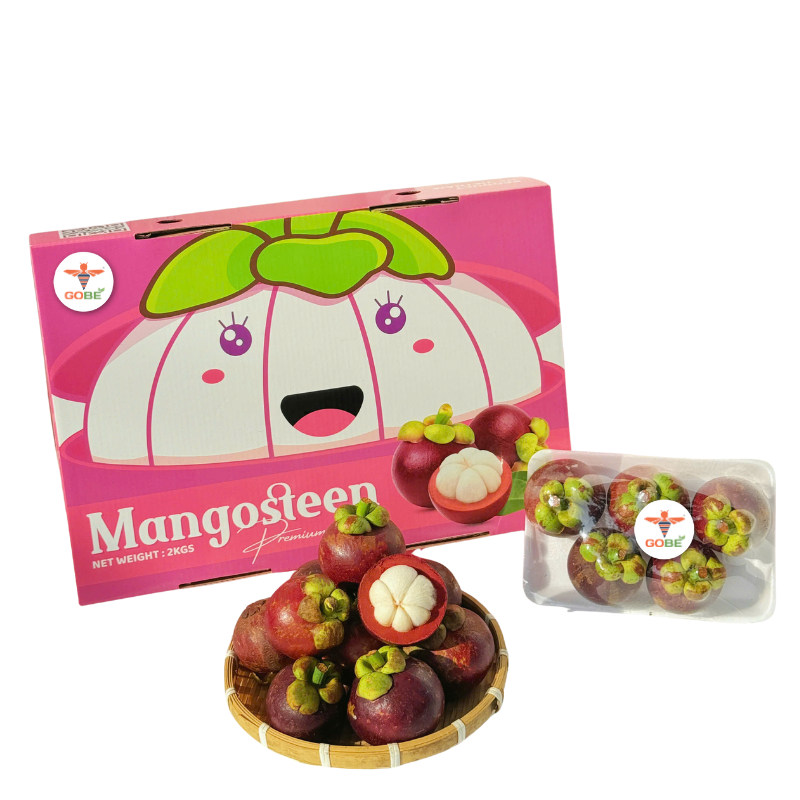
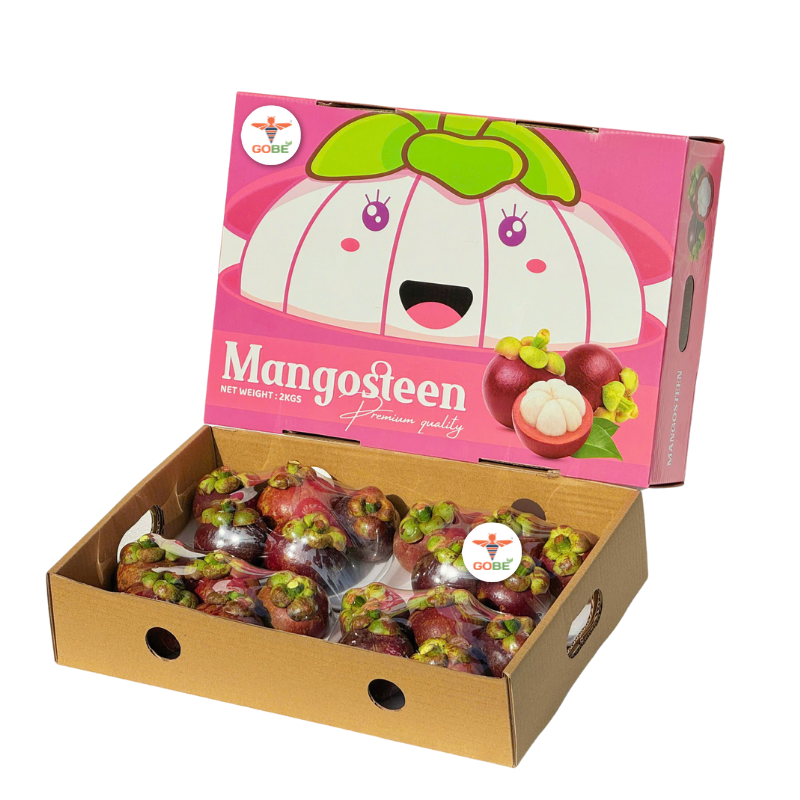
Trusted fresh mangosteen exporters are defined by full supply chain control, internationally recognized certifications, and verified cold chain infrastructure, not by trading volume or price alone. For importers sourcing fresh mangosteen from Vietnam or Southeast Asia, partnering with the wrong exporter carries serious consequences: rejected shipments, residue violations, and disrupted retail supply.
Choosing the right export partner requires evaluating five interlocking criteria: international certification portfolio, cold chain continuity, growing area control, year-round supply capacity, and documented market experience. Each criterion directly affects whether your imported mangosteen arrives shelf-ready, legally compliant, and commercially viable in your destination market.
Importers must also understand the product’s technical parameters before entering any supply agreement. Export-grade fresh mangosteen has specific requirements covering size, Brix level, shelf life, storage temperature, packaging configurations, seasonal availability, and freight method. The sections below address all dimensions with the precision importers need before committing to a supply relationship.
A trusted fresh mangosteen exporter combines direct control over certified growing areas, a fully traceable farm-to-port supply chain, and a comprehensive set of internationally recognized food safety certifications. The distinction between a trusted exporter and a commercial intermediary defines every aspect of supply reliability that importers depend on.
Understanding this distinction in practice requires examining the structural characteristics that separate the two supplier types importers most commonly encounter.
A trusted exporter owns or directly manages its source of supply, while a commercial intermediary purchases produce on the open market without controlling upstream quality. This distinction determines whether traceability, consistency, and certification compliance can be guaranteed at all.
A trusted fresh mangosteen exporter operates with the following structural characteristics:
A commercial intermediary has no direct control over how the fruit is grown, when it is harvested, or how it is handled post-harvest. This creates an invisible risk layer that only becomes visible when a shipment fails inspection or arrives with compromised quality.
Farm-to-port control is the structural foundation of exporter reliability because every link in the supply chain where ownership transfers creates a quality accountability gap. When an exporter manages the entire chain from cultivation through cold storage to port loading, no accountability gap exists.
Farm-to-port control achieves three outcomes that importers cannot replicate through contractual terms alone:
Yes, a trusted fresh mangosteen exporter must hold internationally recognized certifications because without them, there is no independently verified evidence that the supplier meets the food safety, agricultural, or social standards required by importers operating in regulated markets across the EU, North America, the Middle East, and Asia. Certifications are independently audited proof that an exporter’s practices meet defined global benchmarks, and they directly determine whether shipments can legally enter major import markets.
The following sections explain which certifications matter most and why each one is commercially necessary for importers.
A reliable fresh mangosteen exporter should hold all five of the following certifications: GlobalGAP, GRASP, ISO, FDA registration, and Sedex membership, because each one addresses a distinct compliance domain that importers in different markets require. No single certification covers all markets or all compliance dimensions simultaneously.
The table below maps each certification to what it verifies and why importers in regulated markets require it. Use this reference when pre-qualifying any prospective mangosteen exporter against your destination market’s legal and retail requirements.
| Certification | What It Verifies | Why Importers Need It |
|---|---|---|
| GlobalGAP | Good Agricultural Practices covering pesticide use, soil management, water quality, worker hygiene, and traceability at farm level | Mandatory for supplying European supermarkets and a baseline requirement across most regulated import markets |
| GRASP | GlobalGAP Risk Assessment on Social Practice, covering labor rights, working conditions, and social accountability | Required by European retailers for ethical sourcing compliance and increasingly scrutinized by North American buyers |
| ISO | International quality management system certification covering consistent operational processes and documentation control | Demonstrates process discipline at the packing house and operational level |
| FDA | U.S. Food and Drug Administration food facility registration and compliance with U.S. food safety requirements | Required for any exporter supplying or seeking to supply the American market |
| Sedex | Supplier Ethics Data Exchange platform membership verifying ethical business conduct, labor practices, health and safety, and environmental responsibility | Required by global supermarket chains as part of supplier pre-qualification |
An exporter holding only GlobalGAP can supply EU markets but cannot credibly demonstrate FDA compliance for U.S. buyers, social accountability for retailers requiring Sedex, or operational process control for buyers requiring ISO documentation. Gobeimex holds all five certifications, ensuring importers across Canada, the UAE, the UK, Germany, the Netherlands, Japan, Kuwait, and other markets can source with full confidence in compliance coverage.
GlobalGAP and food safety standards protect importers by establishing legally enforceable residue limits, mandatory traceability records, and documented intervention protocols at the farm level, all of which must be independently audited and renewed regularly to maintain certification status. The protection operates through two primary mechanisms.
Residue control and MRL compliance. GlobalGAP requires certified farms to document every pesticide application, including product name, dosage, application date, and pre-harvest interval. This documentation creates a verifiable paper trail that allows importers to demonstrate MRL compliance to customs authorities and retail buyers in destination markets. Without this documentation, an importer has no evidence to present if a shipment is flagged during border inspection. The legal and commercial consequences of a non-compliant shipment include destruction of cargo, market bans, and reputational damage with retail partners.
Traceability and recall capability. In the event of a food safety incident, GlobalGAP-certified exporters can trace any product unit back to the specific farm plot, harvest date, and packing batch within hours. This traceability capability is a regulatory requirement in most developed markets and a fundamental risk management tool for importers who need to execute a swift, targeted recall if necessary. Importers sourcing from non-certified exporters have no equivalent protection and assume full liability for any compliance failure that originates upstream.
Importers choosing a fresh mangosteen exporter should evaluate six core criteria: international certification portfolio, cold chain infrastructure, growing area control and scale, year-round supply capacity, destination market experience, and post-harvest processing speed. Together, these criteria form a complete picture of whether an exporter can consistently deliver export-grade fruit to regulated international markets.
The two most technically complex criteria, cold chain management and supply capacity, require the most rigorous evaluation before any supply relationship is confirmed.
An unbroken cold chain protects fresh mangosteen quality by preventing enzymatic activity, microbial growth, and physical deterioration that accelerate once temperature control is interrupted at any point between harvest and final delivery. Fresh mangosteen has a shelf life of 15 days when stored at 5 to 8 degrees Celsius, and that window begins at harvest, not at the point of export.
A reliable fresh mangosteen exporter maintains the following cold chain elements:
Before confirming a supply partnership, request temperature log samples from previous shipments and verify that the exporter owns, rather than simply contracts, their refrigerated transport assets.
A credible fresh mangosteen exporter should guarantee supply capacity backed by a documented combination of company-owned growing areas and certified partner farms, with the network scale and seasonal planning to provide uninterrupted availability across 52 weeks of the year. Supply capacity has two dimensions that importers must assess independently.
Growing area scale and ownership structure. An exporter’s supply reliability depends directly on how much of its raw material source it directly controls. Exporters who rely exclusively on spot market purchases cannot guarantee consistent quality, residue compliance, or availability. Gobeimex manages 30+ hectares of company-owned farmland cultivated entirely under GlobalGAP standards, supplemented by 200+ hectares of certified partner farms subject to regular inspection and monitoring, a combined base of 230+ hectares that provides both volume capacity and sourcing diversification.
Year-round supply planning. Because mangosteen has defined high and low seasons, a sophisticated exporter plans supply continuity across the full calendar. Gobeimex supplies products 52 weeks per year, ensuring that importers and their retail buyers are not exposed to supply gaps that force sourcing from unknown alternative suppliers at short notice. For importers managing retail shelf commitments or foodservice contracts, this 52-week supply guarantee is a commercially significant commitment that many exporters cannot credibly make.
The diversity of growing areas also matters beyond simple scale. An exporter drawing from a geographically distributed network of farms, rather than a single concentrated location, is more resilient to localized weather events, pest pressures, or regulatory restrictions that could interrupt supply at a critical moment.
Export-grade fresh mangosteen is defined by six key technical parameters: size (11 to 14 pcs/kg or 8 to 10 pcs/kg), sugar content (Brix 16 to 20%), shelf life (15 days at 5 to 8 degrees Celsius), inner packaging (500g or 1kg units), outer box weight (2, 5, or 9 kg), and air freight as the standard shipping method. Importers must understand all six specifications before placing any purchase order, as each parameter directly affects commercial viability in their destination market.
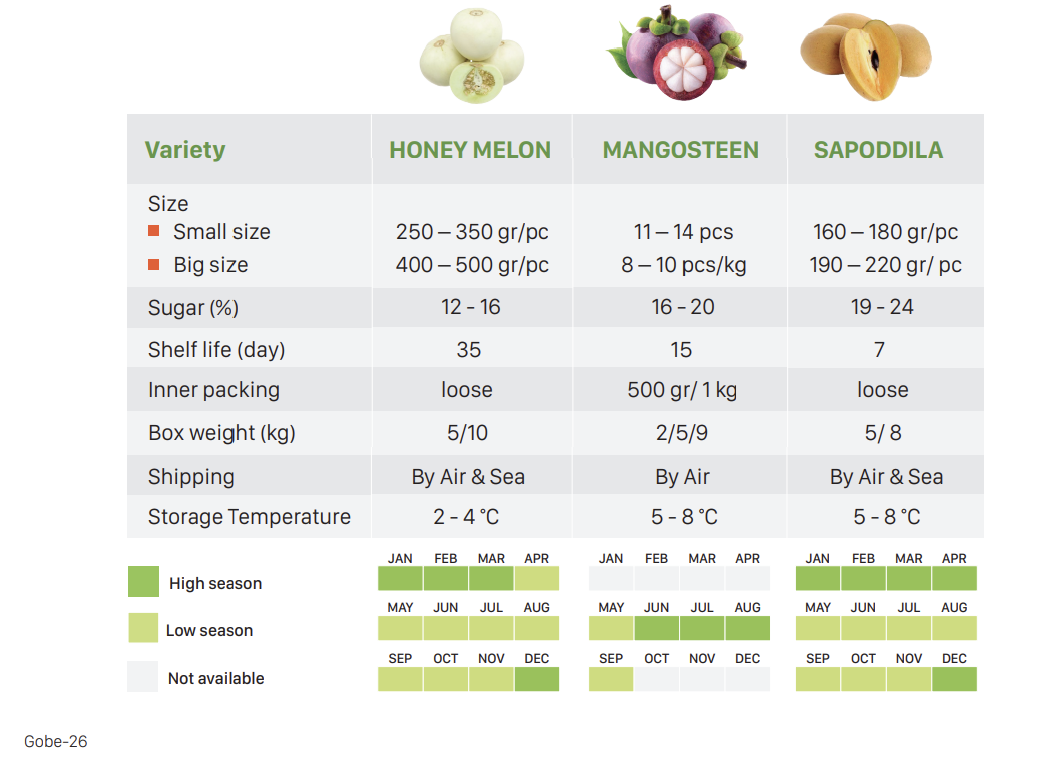
The table below summarizes the full specification profile for export-grade fresh mangosteen, giving importers a structured reference for purchase order specifications and quality acceptance criteria.
| Specification | Export-Grade Standard |
|---|---|
| Size | 11 to 14 pcs/kg or 8 to 10 pcs/kg |
| Sugar Content (Brix %) | 16 to 20% |
| Shelf Life | 15 days |
| Inner Packing | 500g or 1kg units |
| Outer Box Weight | 2 kg / 5 kg / 9 kg |
| Shipping Method | By Air |
| Storage Temperature | 5 to 8 degrees Celsius |
Deviations from these parameters at the point of origin will compound during transit, resulting in fruit that fails to meet retail acceptance standards at destination.
Mangosteen seasonal availability directly shapes sourcing strategy because the fruit has a defined high season from May to August, reduced availability from January to April and from September through December (excluding October), and zero commercial availability during October. Importers who fail to plan around this calendar risk supply disruptions that cannot be resolved quickly, regardless of exporter reliability.
The practical sourcing implications for importers are as follows:
For importers operating in retail channels where category continuity is commercially important, the strategic approach is to build inventory buffers during high season where cold storage infrastructure permits, contract explicitly for low-season supply with a verified exporter at the beginning of the annual supply agreement, and plan the October gap into the category calendar rather than treating it as a sourcing failure.
Air freight is the standard and commercially viable shipping method for fresh mangosteen exports because the fruit’s 15-day shelf life at 5 to 8 degrees Celsius is incompatible with sea freight transit times, which typically range from 20 to 45 days depending on destination. The comparison between air and sea freight for fresh mangosteen is straightforward from a commercial standpoint:
Gobeimex’s second facility in Ho Chi Minh City plays a specific role in air freight logistics. Located near the international airport, this facility enables fast customs clearance, rapid access to cargo flights serving a broad range of international routes, and consolidation of product from multiple growing regions to meet varied order specifications. Importers evaluating an exporter’s air freight capability should confirm that packing infrastructure is positioned close to an international airport, as proximity directly affects lead times and documentation processing speed.
Importers planning fresh mangosteen procurement should build logistics specifications around air freight from the outset, including cold storage handling at the destination airport, pre-booked cargo capacity during high season, and clear temperature and handling instructions communicated to the receiving freight forwarder.
Gobeimex (Golden Bee Import Export Company Limited) is a GlobalGAP, GRASP, ISO, FDA, and Sedex certified fresh produce exporter from Vietnam, supplying importers, distributors, and supermarkets across Canada, the UAE, the UK, Germany, the Netherlands, Russia, Japan, Kuwait, and beyond. With 230+ hectares of controlled growing areas, a 12-hour farm-to-pack process in Tien Giang, and a 52-week uninterrupted supply commitment, Gobeimex offers importers the complete combination of product quality, supply reliability, and compliance documentation required for confident global sourcing.
To discuss supply requirements, request product specifications, or initiate a partnership inquiry, contact Gobeimex directly:
Gobeimex — Elevating Vietnamese Produce, Connecting Global Markets.