Subtotal $0.00

A trusted vegetable supplier is a certified grower, packer, or exporter that maintains full supply chain control, holds internationally recognized food safety credentials, and delivers consistent product quality across every shipment. Not every business selling produce at wholesale prices qualifies as a genuinely reliable partner. The distinction matters enormously for importers, supermarket chains, and distributors who depend on uninterrupted supply and predictable quality to serve their end customers. Gobeimex, for example, operates with 12+ years of expertise in fresh produce export, backed by five international certifications including GlobalGAP, ISO, FDA, GRASP, and Sedex, a combination that positions the company as a wholesale-ready vegetable supplier by global standards.
Understanding the wholesale produce distribution model is equally important before sourcing at scale. A wholesale produce distributor is not simply a middleman; it is a structural partner that connects growing regions directly to retail chains, food service operators, and regional distributors across multiple markets simultaneously. The most capable wholesale distributors offer year-round supply guarantees, custom packing per destination market, and full cold chain integrity from harvest to port.
Finding the right vegetable supplier near your sourcing network depends less on physical proximity and more on operational proximity: how close the supplier is to the growing region, how quickly produce moves from field to pack, and how reliably shipments reach your market without quality loss. Suppliers with packing houses located inside key growing regions, such as Gobeimex’s facility in Tien Giang, Vietnam’s fruit and vegetable heartland, can process produce within 12 hours of harvest, effectively closing the freshness gap that often separates good suppliers from great ones.
A trusted vegetable supplier combines certified growing practices, rigorous post-harvest processing, cold chain logistics, and transparent business conduct to deliver wholesale-grade produce that consistently meets international import standards. The fresh produce trade is filled with intermediaries who resell without controlling quality, creating unpredictable results for buyers downstream. Below are the core attributes that separate a genuinely trusted supplier from one that only appears reliable on the surface.
Wholesale-readiness is not a single credential; it is a layered combination of operational capability, compliance, and accountability that can be verified at each point in the supply chain.
Five internationally recognized certifications form the credibility baseline for any wholesale-ready vegetable supplier: GlobalGAP, GRASP, ISO, FDA registration, and Sedex membership. Each certification addresses a different risk dimension that importers, supermarkets, and distributors face when sourcing fresh produce across borders.
Here is what each certification confirms in operational terms:
Gobeimex holds all five certifications simultaneously, which means buyers sourcing for the Americas, Europe, the Middle East, or Asia can qualify the supplier against their specific market’s import requirements without auditing multiple entities separately.
A wholesale-ready vegetable supplier must control sufficient growing area, processing capacity, and logistics infrastructure to fulfill large, recurring orders without quality degradation or supply gaps. Three quantifiable benchmarks define the operational floor for global buyers.
Consider the scale required to serve supermarket chains and regional distributors simultaneously across multiple continents:
A wholesale produce distributor can supply a wide range of fresh vegetables grouped into two primary categories: year-round tropical varieties with stable availability across seasons, and specialty or seasonal produce with defined harvest windows and specific packing requirements. Understanding this grouping is critical for importers building consistent product lines, because the sourcing strategy differs fundamentally between the two categories.
Below is a breakdown of what buyers can realistically expect from a Vietnam-based wholesale vegetable distributor operating with full growing area control and a multi-region supply network.
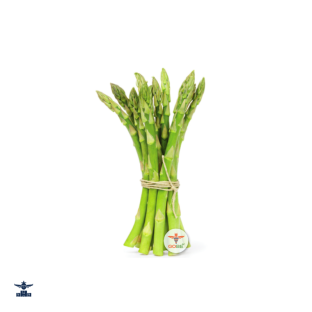
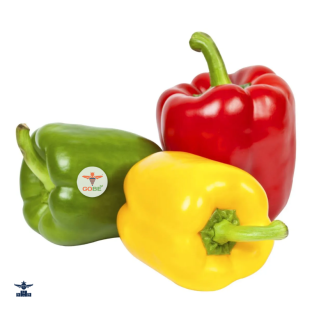
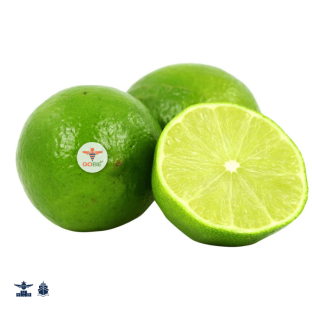
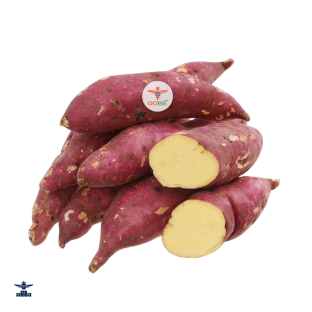
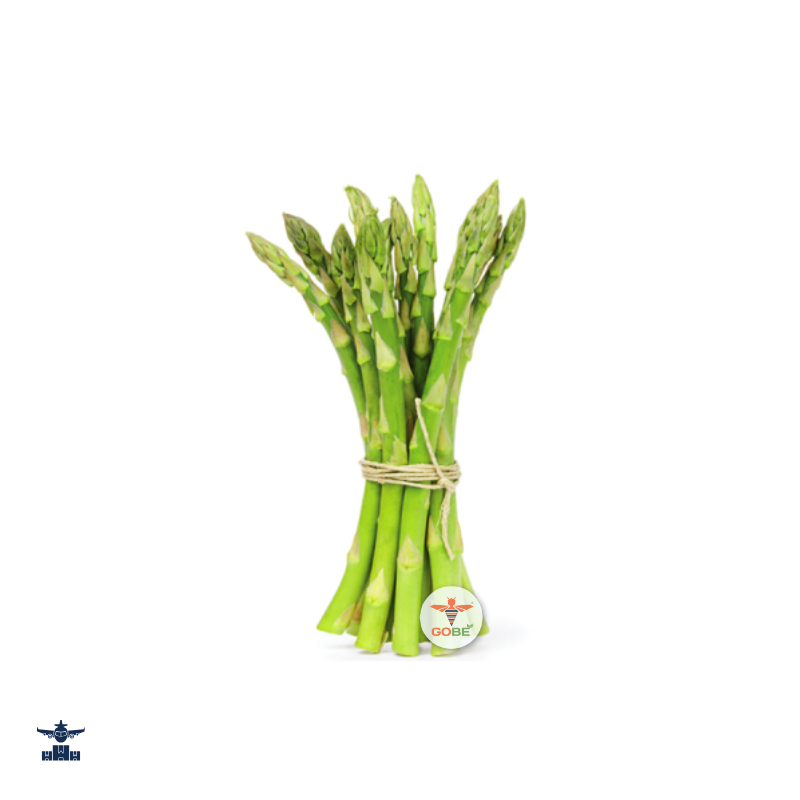
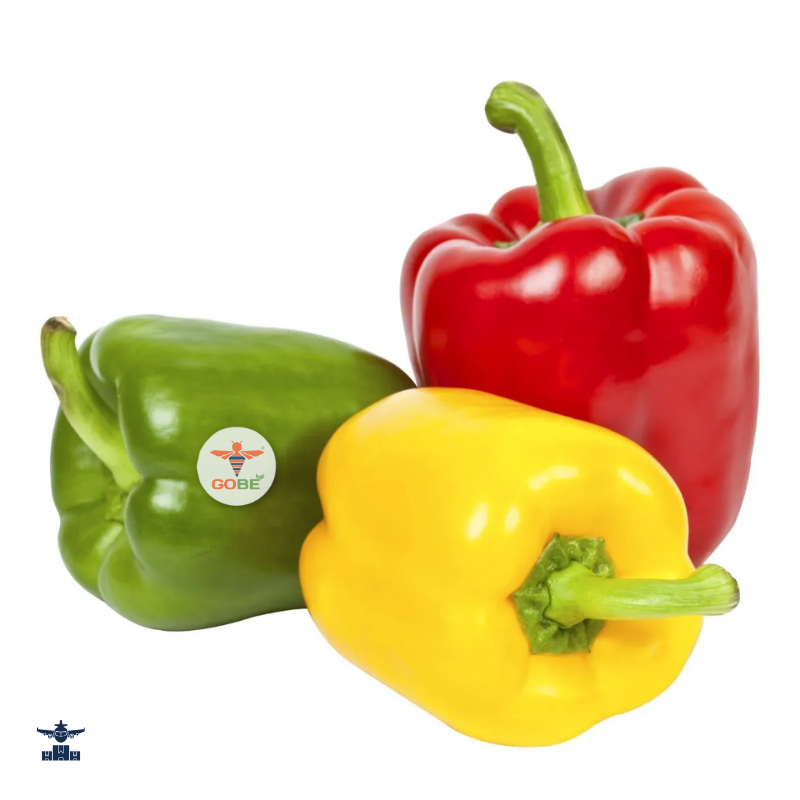
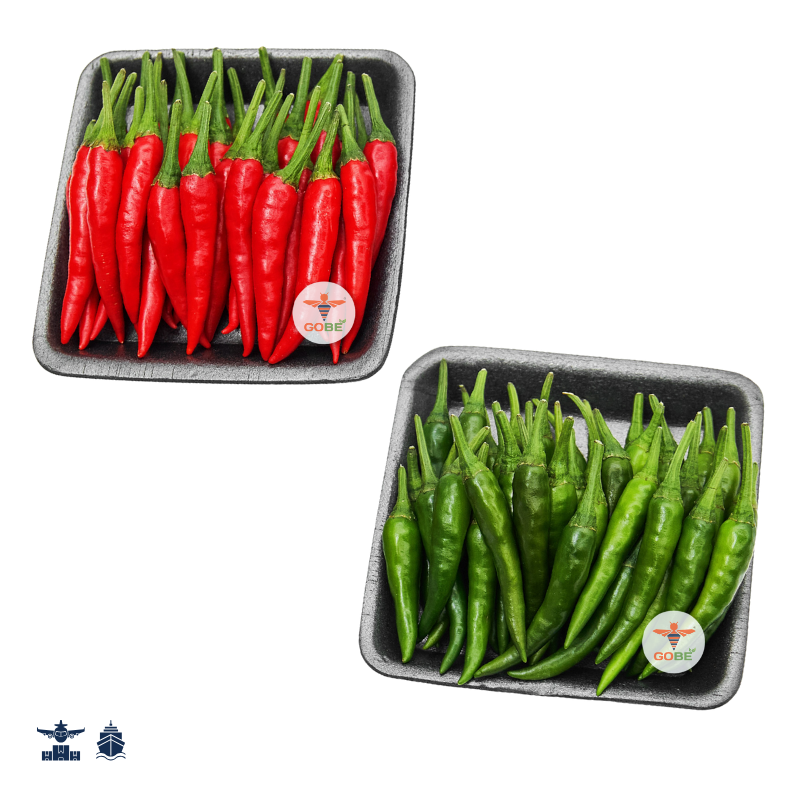
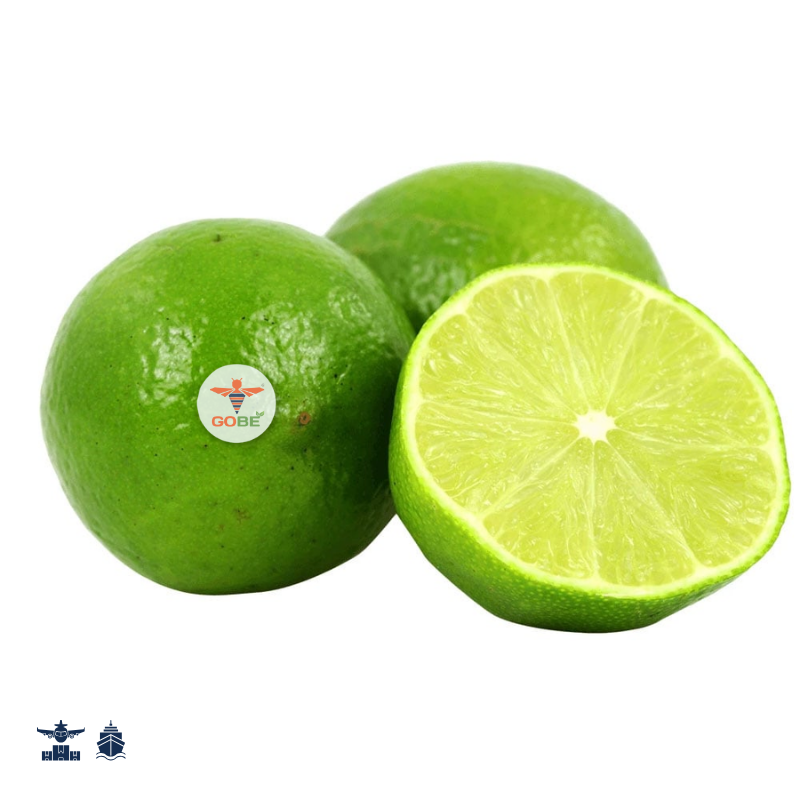
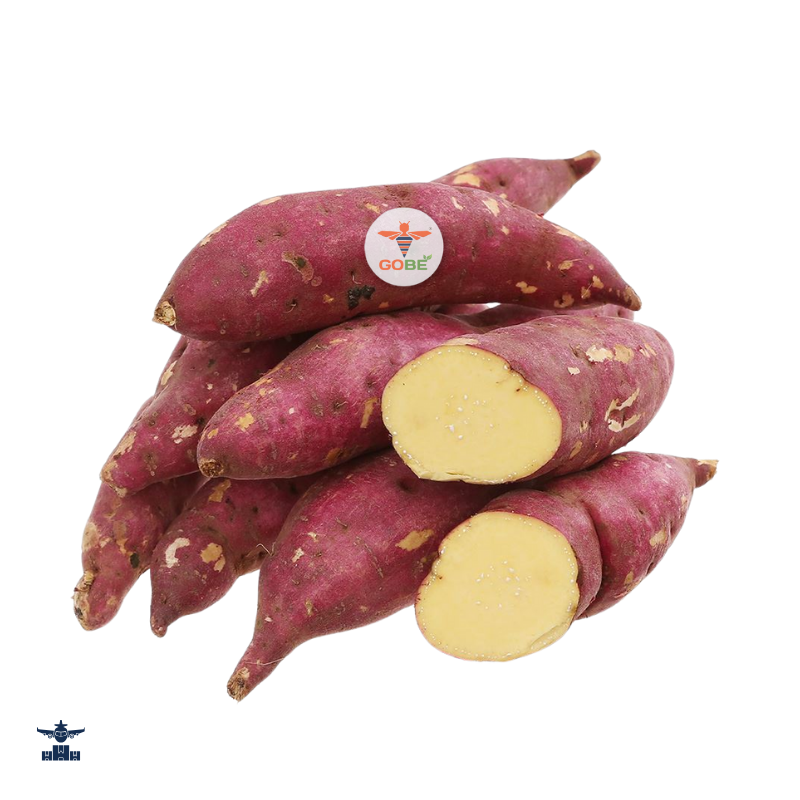
Six fresh vegetable varieties are consistently available year-round from established Vietnamese wholesale produce distributors: Asparagus, Baby Corn, Capsicum, Chilli, Seedless Lime, and Sweet Potato. These items combine tropical growing conditions, multi-harvest cycles, and high export demand to create a stable supply profile that wholesale buyers in Europe, the Middle East, and North America can depend on for continuous replenishment.
The table below summarizes the key sourcing parameters for each of the six core vegetable varieties available from Vietnam-based wholesale distributors. Reviewing it helps buyers match each product to the right logistics and cold chain requirements before issuing a purchase order.
| Vegetable | Harvest Profile | Key Export Markets | Cold Chain Notes |
|---|---|---|---|
| Asparagus | Multi-cycle annual harvest | EU, Japan, Middle East | High cold sensitivity; requires 2 to 4°C transit |
| Baby Corn | Year-round multi-crop | Europe, North America, Gulf | Fast post-harvest processing essential |
| Capsicum | Continuous tropical cycle | UK, Germany, UAE, Kuwait | Requires humidity-controlled packing |
| Chilli | Year-round availability | Middle East, Asia, US | Dried and fresh formats available |
| Seedless Lime | Perennial tropical hybrid | Canada, Russia, UK | Extended shelf life under controlled atmosphere |
| Sweet Potato | Two to three harvests annually | Japan, UAE, Netherlands | Curing process extends storage life significantly |
Vietnam’s tropical climate and Mekong Delta growing conditions are uniquely suited to producing these vegetables at commercial export volumes with consistent quality. Year-round warmth, river delta soil fertility, and multiple growing cycles per year mean that suppliers operating within this region can fulfill buyer purchase orders continuously without the seasonal gaps that affect temperate-climate sourcing. Gobeimex’s network of 200+ partner hectares spread across multiple growing districts further reduces the risk of any single-region weather event disrupting supply continuity.
Wholesale vegetable distributors serving international markets must meet packing and food safety standards that vary by destination, with EU requirements being the most stringent, followed closely by North American FDA standards and Japanese import inspection protocols. A capable wholesale supplier must adapt packing specifications, including carton dimensions, net weight, labeling language, and residue documentation, to match each importing market’s regulatory and commercial requirements.
The following standards govern wholesale vegetable packing across the major import markets:
Gobeimex’s dual-facility model, with Tien Giang handling fruit and vegetable packing near growing regions and Ho Chi Minh City managing consolidation of diverse product lines, allows the company to run market-specific packing lines simultaneously, serving buyers in multiple regions without cross-contaminating documentation or packing standards.
Yes, it is possible to find a wholesale vegetable supplier that guarantees consistent quality, but only when the supplier exercises direct control over three critical stages: certified growing area management, post-harvest processing within strict time windows, and an unbroken cold chain from farm gate to export port. Most quality failures in the wholesale produce trade do not originate in the field; they occur during the post-harvest window, when temperature excursions, delayed processing, or inadequate packing infrastructure degrade produce that was perfectly acceptable at harvest.
To understand why quality consistency is achievable with the right supplier, it helps to examine the most common failure points in the supply chain and how a well-structured wholesale distributor addresses each one.
Most wholesale vegetable suppliers that fail on quality consistency share three structural weaknesses: they lack direct control over growing areas, they rely on open-market purchasing without traceability, and they operate cold chains with gaps between farm and packing house. These gaps accumulate into cumulative quality loss that only becomes visible when shipments arrive at destination with shortened shelf life or rejected batches.
Here is how each failure point manifests in practice:
Gobeimex addresses all three failure points directly. Growing areas spanning 230+ hectares are either company-owned or managed under cooperative agreements with regular on-site inspection. The Tien Giang packing house processes incoming harvest within 12 hours of picking. A dedicated fleet of refrigerated container trailers maintains continuous cold chain from field to packing house to port, with no uncontrolled ambient exposure at any handover point.
Verifiable evidence of year-round supply consistency from a wholesale vegetable supplier includes a documented 52-week supply track record, a multi-region growing network that distributes seasonal risk, and third-party certification of growing practices across all partner farms, not just the supplier’s own land. A supplier claiming year-round availability without a multi-farm network is making a commitment that geography and seasonality will eventually contradict.
Buyers evaluating supply consistency should request the following documentation:
Gobeimex maintains supply continuity through a network that combines 30+ company-owned hectares with 200+ partner hectares, distributed across multiple growing districts in the Mekong Delta region. This geographic distribution means that a weather event, pest outbreak, or harvest timing shift in one area does not cascade into a supply gap for wholesale buyers; alternative growing zones within the network absorb the shortfall and maintain scheduled shipment volumes.
Choosing a trusted wholesale vegetable supplier requires evaluating five interconnected criteria: the supplier’s certification portfolio, production scale and farm control, logistics reliability and cold chain capability, year-round supply consistency, and flexibility to accommodate market-specific packing and documentation requirements. No single criterion is sufficient on its own; a supplier with strong certifications but weak logistics infrastructure will still fail buyers at the delivery stage.
Below are the two most operationally critical criteria that buyers consistently underweight when evaluating wholesale vegetable partners.
A reliable wholesale produce supplier should hold at minimum GlobalGAP and one food safety management system certification (ISO or BRC), with FDA registration added for any supplier targeting the North American market. Suppliers serving multiple regions simultaneously should hold the full certification stack: GlobalGAP, GRASP, ISO, FDA, and Sedex, because each certification unlocks a different market and satisfies a different buyer compliance requirement.
Here is how each certification maps to practical buyer benefits:
Gobeimex holds all five certifications, making it one of the few Vietnamese fresh produce exporters that can serve supermarket buyers in the EU, North America, and the Middle East under a single supplier relationship, without requiring buyers to qualify multiple entities for different market channels.
Logistics reliability in wholesale vegetable distribution is best evaluated through four measurable indicators: the supplier’s own refrigerated transport fleet, documented export frequency per week, average time from harvest to port loading, and on-time shipment rate across the most recent 12-month period. Suppliers that rely entirely on third-party transport without owning refrigerated vehicles introduce a cold chain dependency that they cannot fully control or guarantee.
Buyers should verify the following logistics parameters before committing to a wholesale supply agreement:
Wholesale vegetable suppliers differ most significantly across three dimensions when evaluated for international distribution: certification depth and market access coverage, logistics capability and cold chain ownership, and supply continuity across seasons and geographies. Local distributors typically offer lower unit pricing but narrower market access and limited compliance documentation. Internationally certified exporters offer higher operational reliability, multi-market compliance, and year-round supply guarantees at competitive wholesale pricing when volume commitments are met.
The following comparison table summarizes key differences between three common supplier profiles that international buyers encounter. Reviewing this table before shortlisting suppliers helps procurement teams identify gaps in compliance coverage before shipment commitments are made.
| Evaluation Criterion | Uncertified Local Supplier | Partially Certified Regional Distributor | Fully Certified International Exporter (e.g., Gobeimex) |
|---|---|---|---|
| Certification depth | None or national only | GlobalGAP only | GlobalGAP, GRASP, ISO, FDA, Sedex |
| Market access | Domestic or 1 to 2 markets | 2 to 4 markets | 10+ markets across 4 continents |
| Cold chain ownership | Third-party dependent | Partial in-house | Full proprietary cold chain |
| Year-round supply | Seasonal only | Partial year coverage | 52-week guaranteed |
| Farm traceability | None | Farm-level for own land only | 230+ ha with inspection records |
| Custom packing | Limited | Partial | Full market-specific packing capability |
| Minimum Order Quantity | Low (flexible) | Medium | Medium to high (volume-dependent) |
| On-time shipment reliability | Variable | Moderate | High with documented track record |
For international distributors and supermarket buying teams, the decision framework is straightforward: uncertified local suppliers are appropriate only for domestic procurement where regulatory compliance is minimal. Partially certified regional distributors can serve one or two regulated markets but will fail compliance checks for EU supermarket listings or US FDA-regulated imports. Fully certified international exporters are the only viable option for buyers who need to consolidate sourcing across multiple market channels under a single supplier relationship.
The volume threshold matters as well. At high weekly volumes, full container loads per week or per fortnight, the price difference between a local supplier and a fully certified international exporter narrows significantly. The certified exporter’s logistics efficiency, reduced rejection rates, and compliance documentation reduce the total landed cost of ownership even if the FOB unit price is marginally higher.
Vietnam-based wholesale vegetable suppliers offer global distributors three distinct sourcing advantages: geographic proximity to tropical growing conditions that enable year-round harvest cycles, a cost-competitive production environment with improving export infrastructure, and a growing community of internationally certified exporters capable of serving multi-continent buyer networks simultaneously. These advantages position Vietnam as a strategic sourcing origin for distributors seeking alternatives or complements to their current supply base in Thailand, Peru, or Spain.
The two most operationally significant attributes of Vietnam-based supply are worth examining in depth, because they address specific risks that wholesale buyers face when managing international fresh produce supply chains.
A dual-facility production model is more reliable for wholesale buyers because it eliminates single-point sourcing risk: if one facility faces a supply disruption due to weather, pest pressure, or regulatory inspection, the second facility continues operations and maintains shipment commitments. Most fresh produce exporters operate from a single packing house, meaning any localized disruption immediately cascades into a supply failure for buyers downstream.
Gobeimex operates two strategically positioned production facilities. The Tien Giang facility sits in the heart of Vietnam’s Mekong Delta fruit and vegetable growing belt, enabling farm-to-pack processing within 12 hours of harvest, which is the primary driver of shelf life preservation for export shipments. The Ho Chi Minh City facility, located near the international airport and major seaport, serves as a consolidation and diversification hub, allowing Gobeimex to aggregate product lines from different growing regions and process shipments for a wider range of product varieties and destinations.
For wholesale distributors, this dual-facility model translates into three concrete operational benefits: consistent weekly shipment execution regardless of localized growing conditions, a broader product catalog fulfilled from a single supplier relationship, and reduced administrative complexity because buyers work with one certified entity rather than multiple smaller suppliers for different product lines.
Compliance with multi-market phytosanitary standards protects wholesale buyers by eliminating the most costly risk in fresh produce import: shipment rejection at the port of entry. When a fresh vegetable shipment is detained or rejected by customs authorities due to a non-compliant pesticide residue, missing phytosanitary certificate, or failure to meet import inspection thresholds, the financial loss falls on the importer, not the supplier. Buyers who source from suppliers already certified and compliant across multiple markets transfer this risk back to the supply chain, where it can be controlled at the growing and processing stage.
Most Vietnamese produce exporters are calibrated to serve one or two primary markets and are familiar with the phytosanitary requirements of those markets only. Gobeimex’s export network covers 10+ countries across four continents, which means the company’s quality control and documentation teams routinely process shipments complying simultaneously with EU MRL standards, FDA FSMA requirements, Japanese Positive List regulations, and Gulf Cooperation Council import inspection protocols. This multi-market compliance capability is rare in the Vietnamese export sector and represents a meaningful risk reduction benefit for wholesale distributors consolidating their supplier base across global retail channels.
The practical implication for buyers is clear: sourcing from a supplier with verified multi-market phytosanitary compliance reduces shipment rejection rates, reduces the cost of import compliance management on the buyer’s side, and allows buyers to redirect the same product line to alternative markets when needed, without having to re-qualify a new supplier for each destination.
Gobeimex controls pesticide residue levels across all 230+ hectares of growing area through regular field inspection, pre-harvest residue testing, and strict input management protocols aligned with the most stringent applicable standard, meaning that produce cleared for Japanese export also satisfies EU and US requirements, not just the market it was initially packed for.
Gobeimex — Elevating Vietnamese Produce, Connecting Global Markets.
Contact: Info@gobeimex.com | +84 939 93 54 55 | gobeimex.com