Subtotal $0.00

Fresh fruit export is a specialized B2B trade segment in which certified packer-exporters supply large-volume consignments of fresh produce directly to international importers, distributors, and supermarket chains. Wholesale supply in this context means continuous, contract-based procurement with agreed specifications, pricing, lead times, and quality standards maintained across every shipment, not retail sourcing or spot purchasing.
Understanding how wholesale supply works is critical for any importer or distributor looking to secure a stable, premium source of tropical fresh fruit. The process spans farm management, post-harvest handling, packing, cold-chain logistics, phytosanitary compliance, and port delivery. Each stage must operate as a seamless, traceable chain to protect product integrity and meet the import regulations of destination markets.
Evaluating fresh fruit exporters requires a clear framework: product range, certifications held, cold-chain infrastructure, packaging capabilities, and the ability to supply continuously throughout the year. Gobeimex, trading as Golden Bee Vietnam, is a leading packer-exporter with 12 years of expertise, GlobalGAP, GRASP, ISO, FDA, and Sedex certifications, and active supply relationships across Canada, the UAE, the UK, Germany, the Netherlands, Japan, Kuwait, and more than 10 other international markets.
Fresh fruit export is the commercial process of sourcing, processing, packing, and shipping fresh produce from an origin country to international buyers under food safety standards and trade compliance requirements. In the B2B wholesale context, it means contracted supply at scale, not single transactions. Three distinctions matter most for global buyers: the role of the packer-exporter, the difference between wholesale and spot purchasing, and Vietnam’s position as a premium tropical origin.
Understanding these foundations helps importers and distributors establish partnerships that deliver consistent quality, predictable pricing, and reliable volumes, which are the three pillars any serious wholesale buyer needs before committing to a new supply source.
A packer-exporter sits at the center of the fresh fruit supply chain, connecting certified growing areas directly with international importers. This role is distinct from a trading intermediary. Gobeimex manages the full sequence: farm cultivation, post-harvest handling, packing house processing, cold-chain logistics, export documentation, and port delivery.
The practical consequence is total traceability. Every carton can be traced back to a specific growing area, a specific harvest date, and a specific quality inspection record. For importers, this means they can verify compliance claims, manage food safety documentation for customs, and respond to quality queries from their end buyers with complete data.
Gobeimex operates two strategically located packing houses to reinforce this capability:
Wholesale fresh fruit supply differs from spot purchasing in three fundamental ways: volume commitment, relationship structure, and supply continuity. Spot purchasing is transactional, volume is small, and pricing fluctuates with market conditions.
Wholesale supply involves contracted volumes, agreed pricing frameworks, customized packaging specifications, and a forward-delivery schedule that aligns with the importer’s inventory and promotional calendar. Working directly with a packer-exporter eliminates intermediary layers, compresses the supply chain, and gives the importer direct access to the origin farm’s quality data and certification documents. Gobeimex supplies products 52 weeks per year to importers, distributors, and supermarkets across four continents, which is possible only because of its direct farm-to-port operational model.
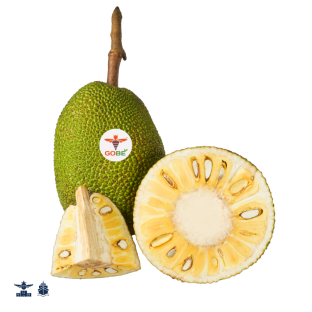
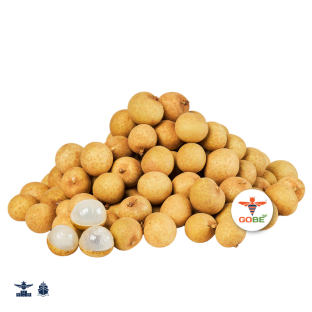
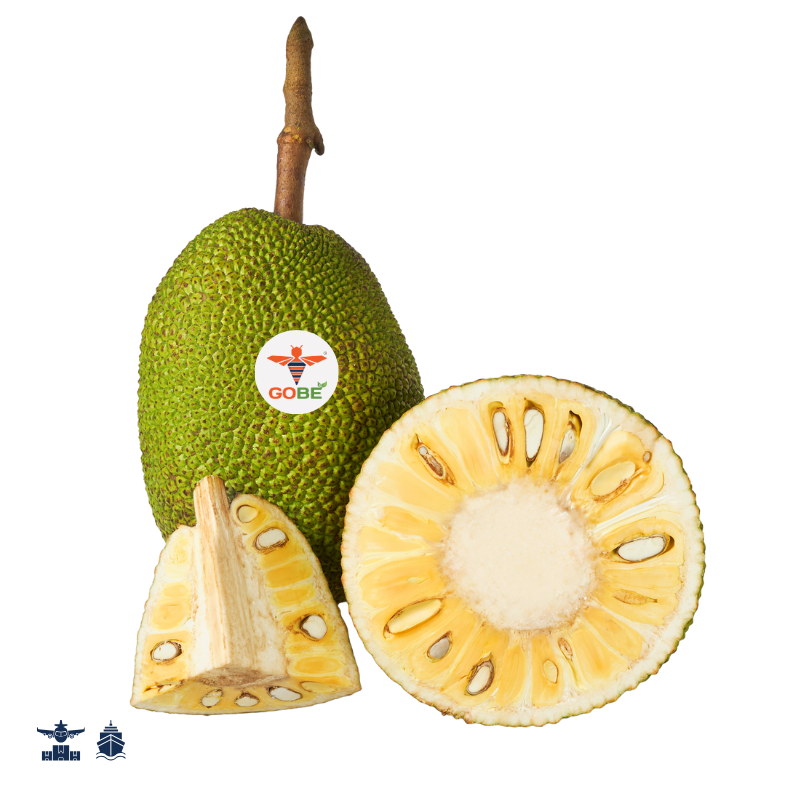
Vietnam is among the world’s most productive tropical fruit origins, offering year-round harvest cycles, competitive production costs, a large base of GlobalGAP-certified growing areas, and a mature fresh produce export infrastructure. The country’s diverse growing zones allow exporters to source durian, longan, jackfruit, passion fruit, papaya, and other tropical varieties across overlapping seasonal windows, giving importers a supply calendar they can plan against.
Gobeimex exemplifies this advantage. The company owns 30 hectares of company-managed farms and cooperates with partner growers across more than 200 hectares, all cultivated under GlobalGAP standards. This scale supports stable raw material supply, consistent grading quality, and the volume commitments wholesale importers require. Vietnam’s export infrastructure, including accredited laboratories, phytosanitary inspection services, and reefer container logistics from major southern ports, further supports the country’s competitiveness as a fresh fruit export origin.
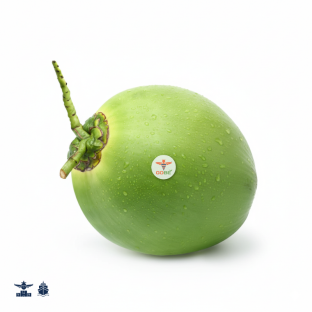
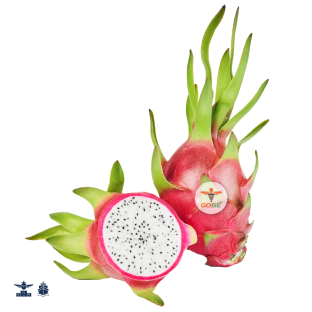
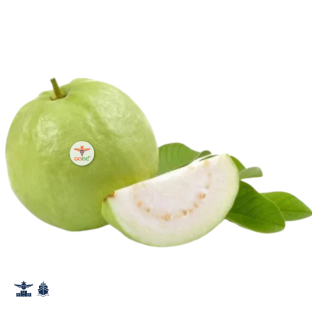
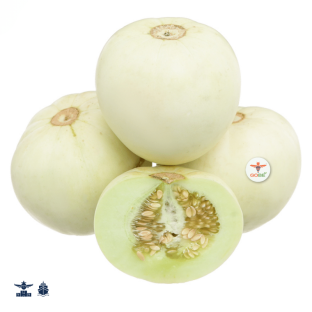
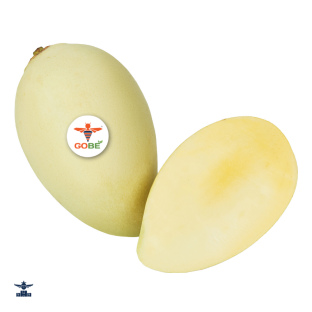
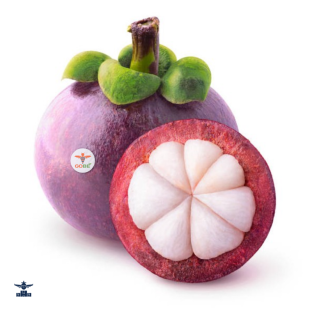
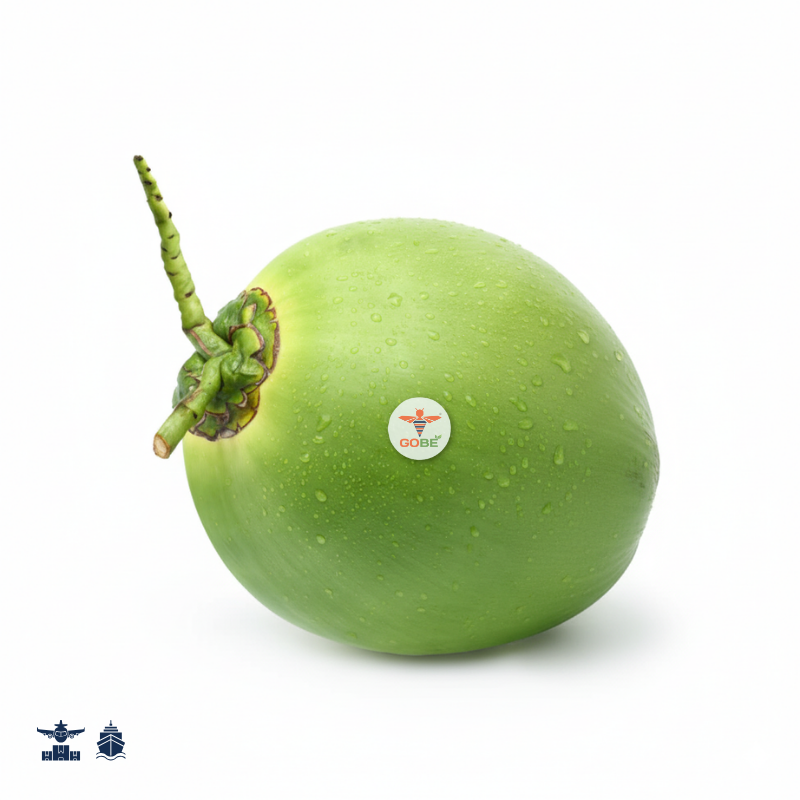
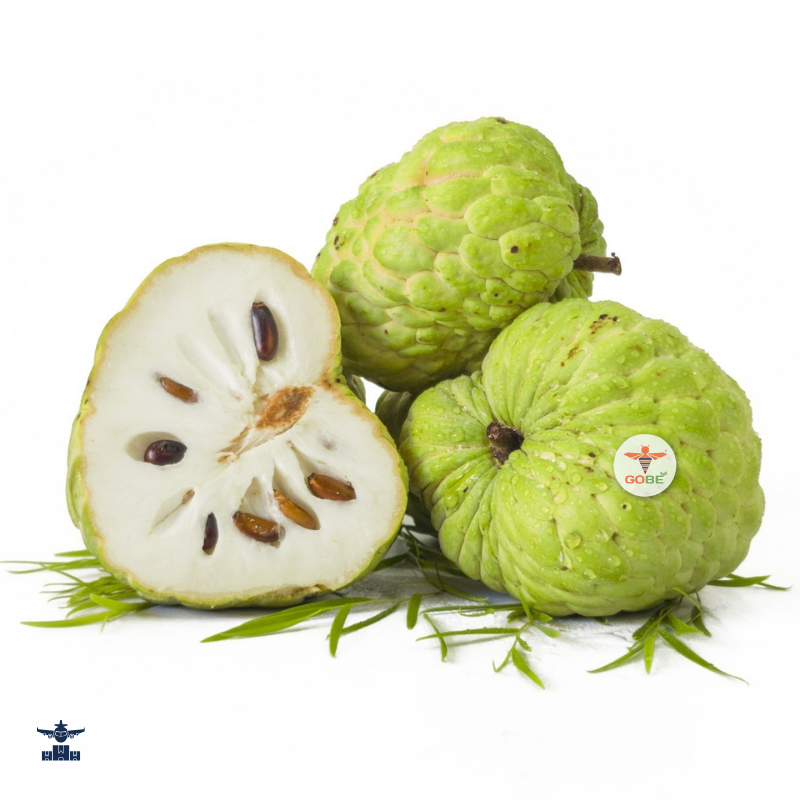
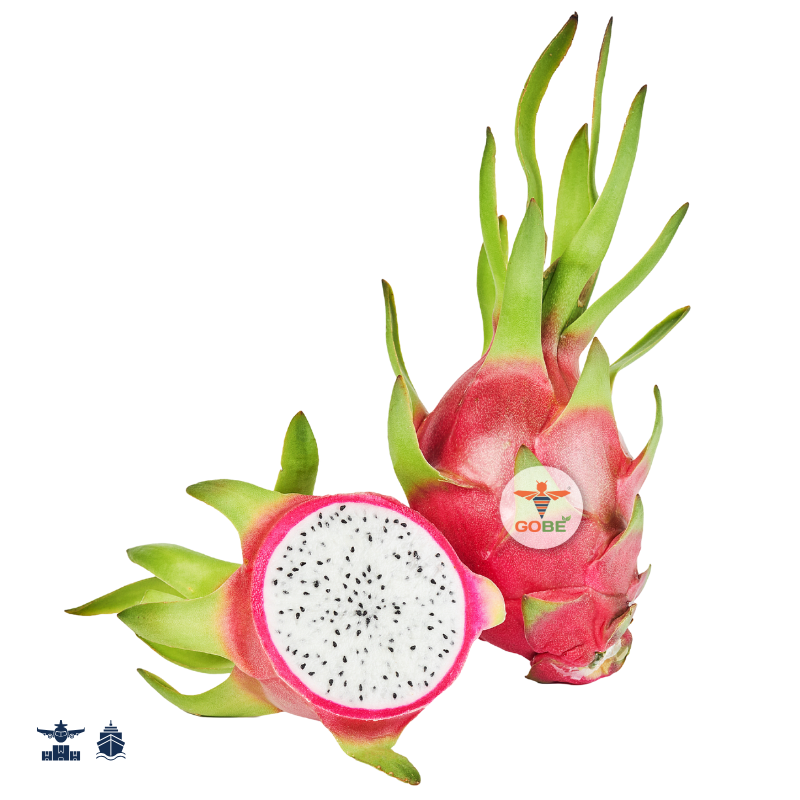
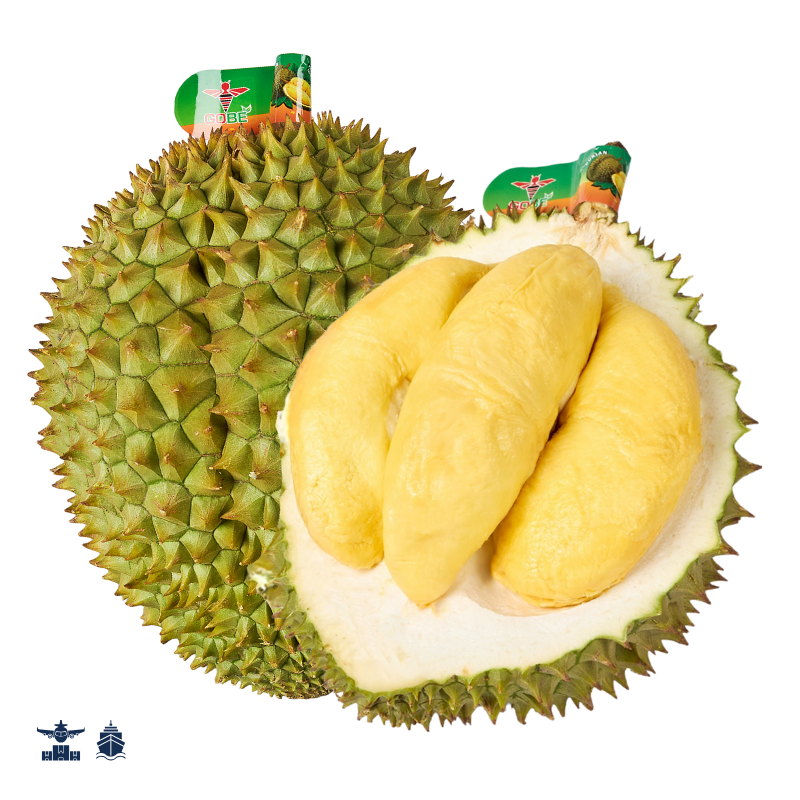
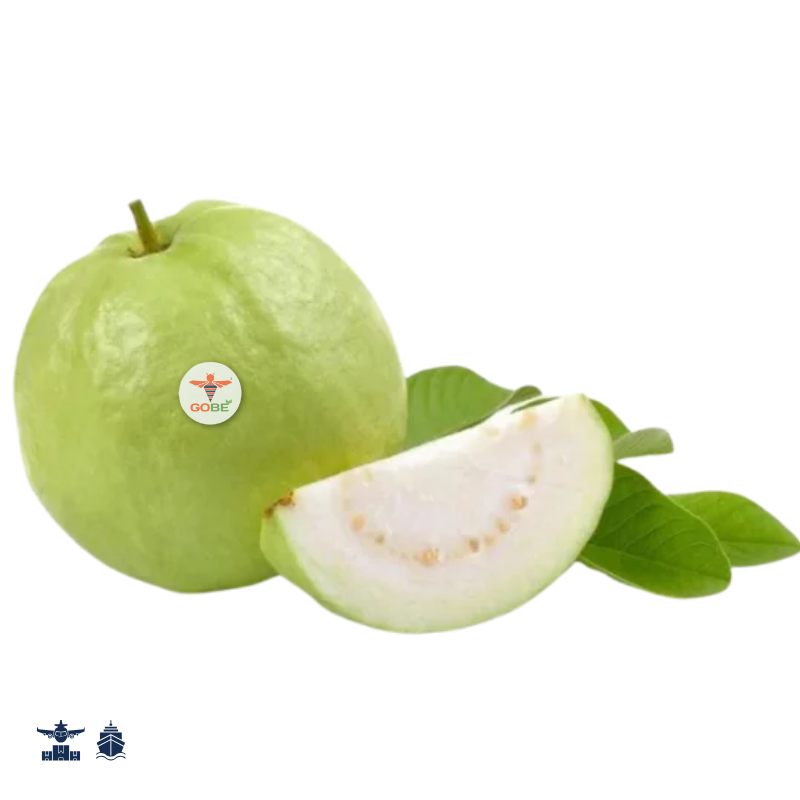
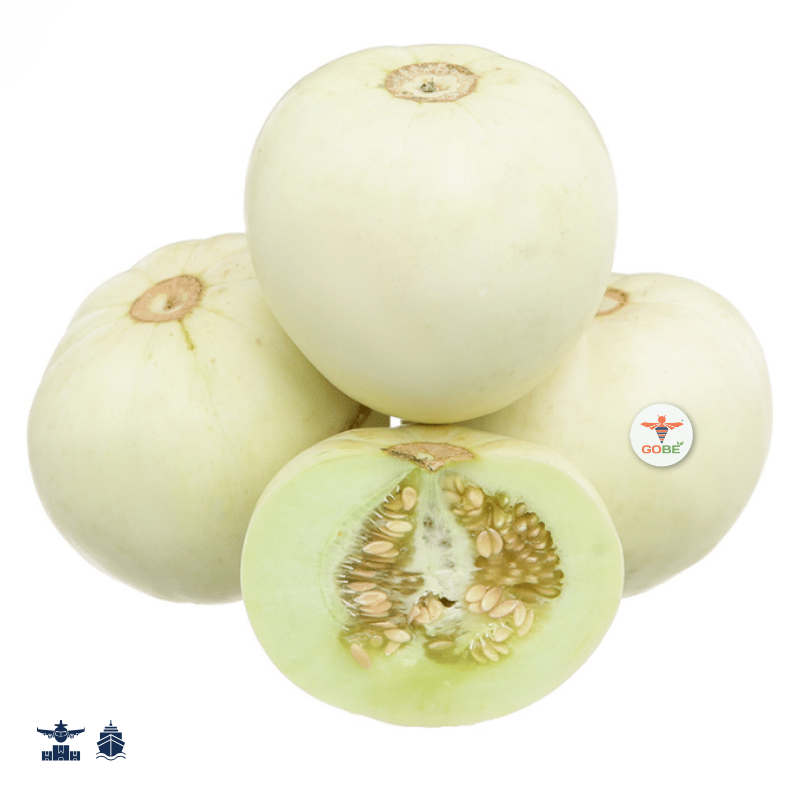
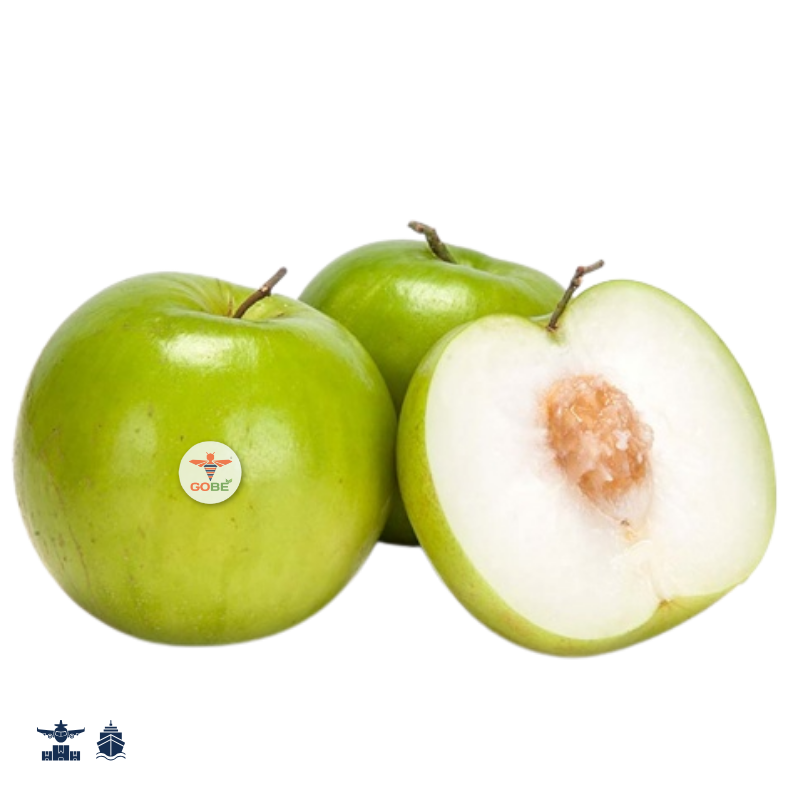
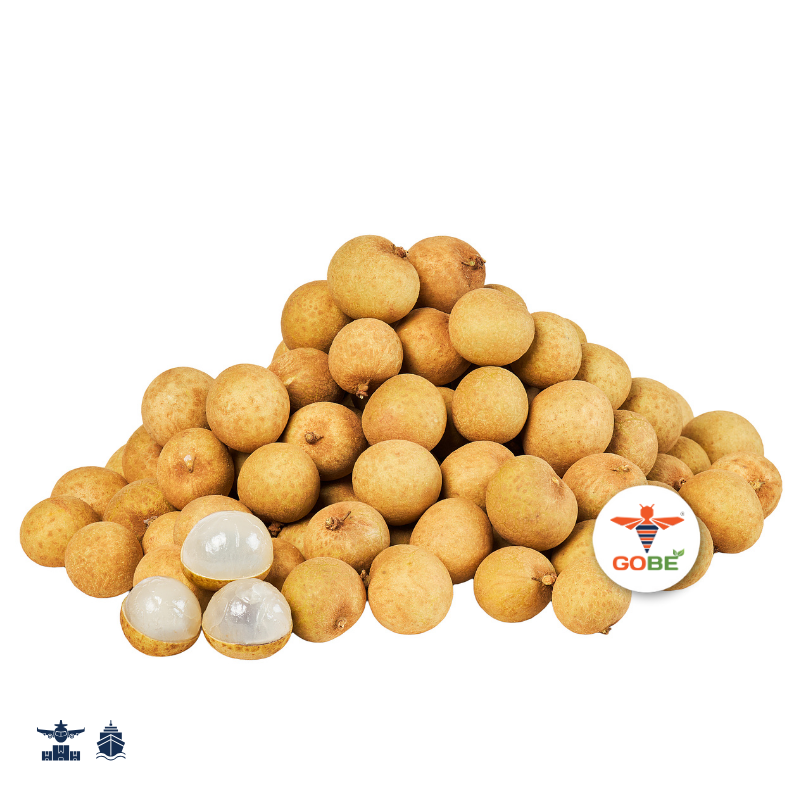
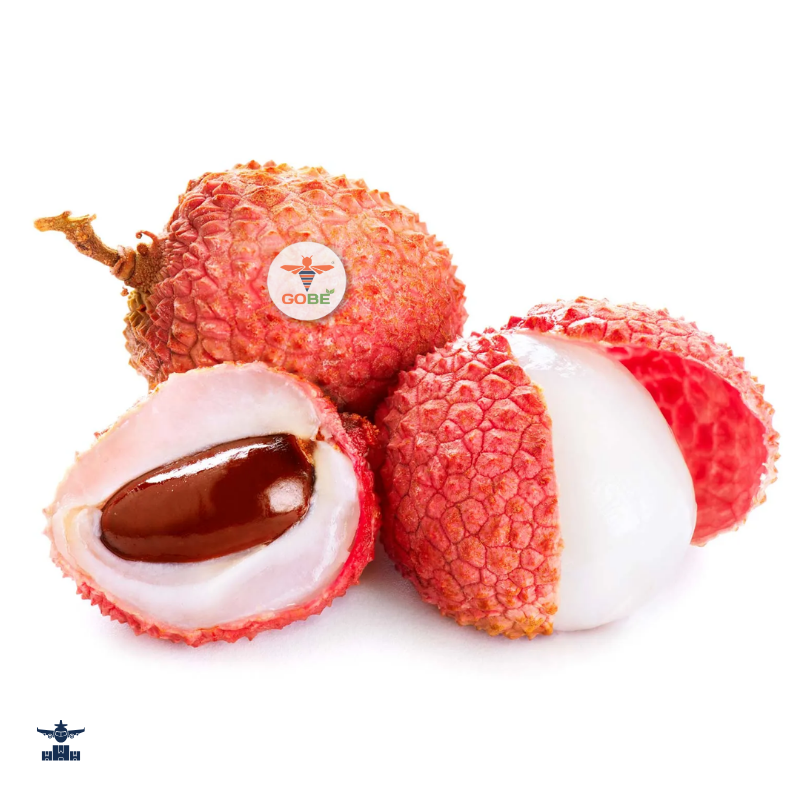
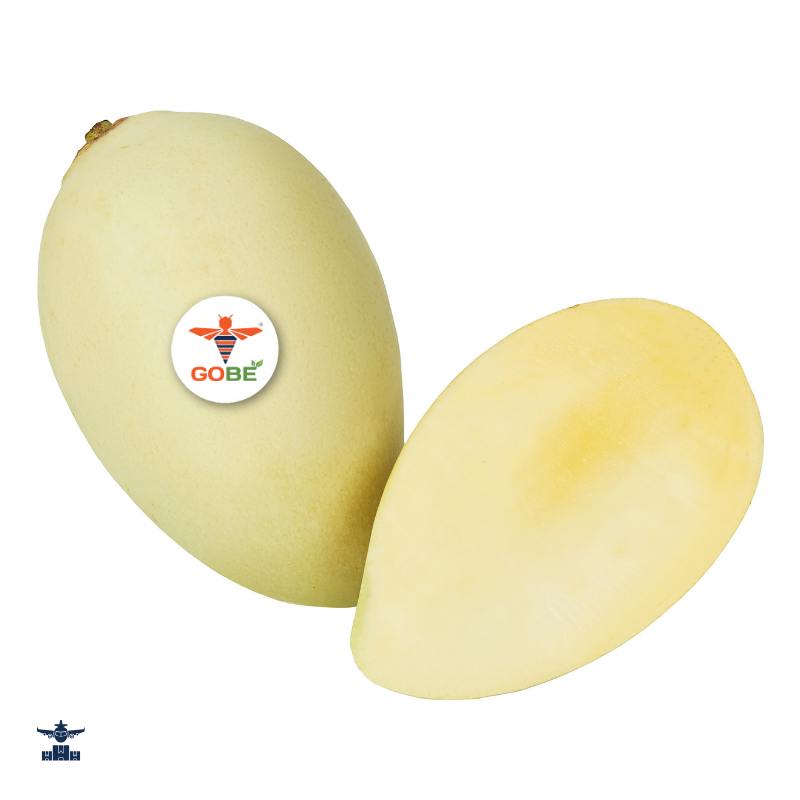
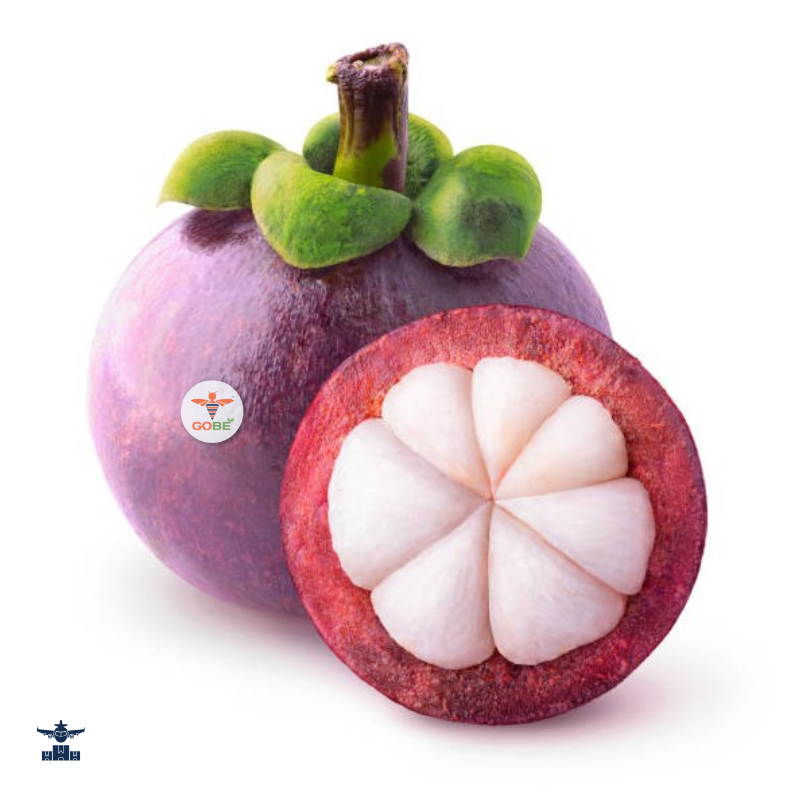
The core wholesale fresh fruit export catalog from Vietnam includes durian, longan, jackfruit, coconut, custard apple, dragon fruit, guava, honey melon, jujube, lychee, mango, mangosteen, milkfruit, pomelo, rambutan, sapodilla, soursop, watermelon, wax apple, passion fruit, and papaya, grouped by tropical variety, growing region, and seasonal availability. Gobeimex’s product range spans these primary SKUs plus additional tropical and vegetable lines, available in customized wholesale packaging with minimum order quantity frameworks suited to full-container or consolidated loads.
The following sections cover the product categories, demand characteristics, and supply parameters that international importers and distributors should evaluate when planning wholesale orders from Vietnam.
Durian, longan, and jackfruit are the three highest-demand wholesale SKUs from Vietnam for international markets, followed by passion fruit and papaya. Each variety has distinct target market profiles and seasonal availability windows that affect forward booking strategy.
The demand breakdown by market is as follows:
Forward booking is available for all major SKUs. Importers who commit to seasonal volumes in advance benefit from price stability, priority packing allocation, and guaranteed shipping slots during peak harvest periods. Gobeimex’s multi-farm network and crop planning system allow it to provide importers with a seasonal availability calendar per SKU, enabling accurate procurement scheduling.
Wholesale fresh fruit packaging from Gobeimex is fully customizable by carton size, net weight, tray configuration, film wrap specification, and brand labeling. Standard export cartons are available in 5 kg, 10 kg, and market-specific configurations. Private label and custom branding are supported for importers who supply supermarket chains under their own brand identity.
Labeling is adjusted to meet the regulatory requirements of each importing market:
Cold-chain packaging begins at the packing house. Gobeimex maintains refrigerated packaging environments from the point of grading and packing through to the loaded reefer container at the port of export. Temperature logs are maintained throughout, providing importers with documentation for shelf-life verification and regulatory compliance upon arrival.
International importers should require a full set of internationally recognized certifications from any fresh fruit exporter before establishing a wholesale supply relationship. The minimum acceptable certification portfolio for a credible wholesale supplier includes GlobalGAP, GRASP, ISO, FDA approval, and Sedex membership. Each certification addresses a distinct layer of risk that importers carry when sourcing fresh produce at scale.
The following section explains what each certification means in practice and why it matters to wholesale buyers evaluating a potential supply partner.
GlobalGAP is the most critical farm-level certification for fresh fruit export, confirming that every growing area supplying the exporter has been independently audited for safe agricultural practices. For importers in the EU, UK, and Japan, GlobalGAP certification is a standard prerequisite for entry to major retail supply chains.
Each certification in Gobeimex’s portfolio addresses a specific compliance requirement:
Gobeimex holds all five certifications. This complete portfolio means importers can use Gobeimex’s documentation directly to meet their own retail customer requirements without commissioning additional audits.
Cold chain integrity is the unbroken maintenance of target temperature from the moment fresh fruit leaves the growing area to the moment it arrives at the importer’s facility. A break in the cold chain, even briefly, accelerates ethylene production, softens texture, shortens shelf life, and can trigger rejection at destination customs inspections.
Gobeimex operates its own fleet of refrigerated container trailers to maintain cold chain continuity between growing areas and the packing house. Inside the packing facility, temperature-controlled environments are maintained throughout grading, washing, packing, and palletizing. Reefer containers are pre-cooled before loading, and temperature data loggers are placed inside each container so that the importer receives a complete temperature history for every shipment. This level of cold-chain documentation is increasingly required by supermarket importers in the EU and UK as part of food safety due diligence protocols.
Setting up a wholesale fresh fruit supply partnership with Gobeimex involves five structured stages: inquiry and product selection, sampling and certification review, commercial term negotiation, contract execution, and first shipment coordination. Each stage is managed through direct communication between the importer and Gobeimex’s export team, with documentation provided at every step to support the importer’s internal approval process.
The following breakdown covers the steps importers should follow, along with the Incoterms, shipping options, and market coverage relevant to their procurement decisions.
Placing a wholesale fresh fruit export order with Gobeimex follows five steps, beginning with product specification and ending with container tracking at the destination port. Each step is designed to minimize uncertainty for the importer and ensure the final shipment matches the agreed quality and volume parameters.
The five steps are:
Gobeimex serves wholesale importers across four geographic regions: the Americas, Europe, the Middle East, and Asia. Each region has distinct logistics requirements, transit times, and shelf-life expectations that determine the appropriate shipping method and packing specification.
The table below summarizes Gobeimex’s active export markets by region, typical sea freight transit times, and the primary products supplied to each destination. It is a practical reference for importers assessing whether Gobeimex’s shipping capabilities align with their product and lead-time requirements.
| Region | Key Markets | Typical Sea Transit | Primary SKUs |
|---|---|---|---|
| Americas | Canada | 25 to 35 days | Durian, jackfruit, papaya |
| Europe | UK, Germany, Netherlands, Russia | 20 to 30 days | Longan, jackfruit, passion fruit |
| Middle East | UAE, Kuwait | 10 to 18 days | Longan, passion fruit, papaya |
| Asia | Japan | Sea and air freight | Durian, longan, passion fruit |
The strategic location of Gobeimex’s two packing houses directly supports these logistics routes. The Tien Giang facility processes fruit within 12 hours of harvest, maximizing remaining shelf life before the product is loaded into the export reefer container. The Ho Chi Minh City facility enables rapid customs clearance and provides flexible consolidation for orders that combine multiple product lines or serve multiple destination ports within the same shipping window.
Year-round wholesale supply gives distributors three measurable advantages over seasonal sourcing: price predictability, shelf space continuity, and inventory planning stability. Seasonal sourcing exposes importers to price volatility at peak supply periods, supply gaps between seasons, and inconsistent quality when sourcing from different origins to fill availability windows.
A year-round supply model eliminates these risks by maintaining contracted supply from a single exporter who manages multiple growing zones and crop schedules internally. For supermarket distributors, the operational impact is direct: shelf space allocated to a tropical fresh fruit category generates revenue only when the product is continuously available. A seasonal supply gap forces the distributor to leave shelf space empty, substitute with a lower-quality alternative, or source from a different origin at short notice, often at a significant cost premium. Gobeimex’s 52-week continuous supply model is built on a multi-farm network, staggered harvesting schedules across different growing zones, and crop planning that coordinates volumes against the importer’s forward purchase commitments.
A phytosanitary certificate is a mandatory export document for fresh fruit shipments, issued by the national plant protection authority of the exporting country. It certifies that the consignment has been inspected and found free of regulated pests and diseases according to the importing country’s requirements. Without a valid phytosanitary certificate, fresh fruit shipments will be detained or rejected at the destination port.
Import compliance requirements vary significantly by destination market:
Gobeimex manages phytosanitary documentation as part of its standard export service, coordinating with Vietnam’s Plant Protection Department to obtain certificates per shipment. Importers receive the complete compliance document set before the vessel departs, allowing them to lodge customs pre-clearance applications without delays.
Sustainable sourcing practices have a direct and measurable impact on fresh fruit quality, supply reliability, and the long-term commercial reputation of both the exporter and the importer. Farms operating under GlobalGAP and GRASP standards apply controlled inputs, maintain soil health, manage water resources responsibly, and enforce food safety protocols at the field level.
These practices produce fruit with more consistent grade quality, lower residue levels, and better post-harvest resilience compared to fruit grown without certified standards. The business case for demanding sustainable sourcing documentation from supply partners is increasingly driven by retailer requirements. Major European and North American supermarket chains now include Sedex audit scores, ESG supply chain disclosures, and GlobalGAP certification status as part of their supplier approval criteria. An importer who cannot demonstrate that their fresh fruit supply chain meets these standards risks losing supermarket contracts.
Gobeimex’s sustainable sourcing model covers all 230 hectares of growing area under its supply network, whether company-owned or partner-operated. Every partner farm is subject to regular inspection and monitoring against GlobalGAP criteria. Residue levels are tested against internationally permitted limits before any product enters the packing house. This commitment to sustainable sourcing protects the quality consistency that Gobeimex’s wholesale buyers rely on across every shipment, every week of the year, which is the foundation of a supply partnership built to last.
Gobeimex, elevating Vietnamese produce and connecting global markets. For wholesale inquiries, product catalogs, sampling requests, or supply partnership discussions, contact the Gobeimex export team directly:
📧 Info@gobeimex.com | 📞 +84 939 93 54 55 | 🌐 https://gobeimex.com