Subtotal $0.00


Papaya delivers 12 evidence-based health benefits: improved digestion, stronger immunity, reduced inflammation, better heart health, cancer-protective properties, healthier skin, sharper vision, regulated blood sugar, stronger bones, weight management support, enhanced eye health, and accelerated wound healing. Each benefit is grounded in peer-reviewed research and traceable to specific bioactive compounds within the fruit, making papaya one of the most nutritionally dense tropical fruits available today.
Beyond its internal health advantages, papaya actively improves digestion through its unique papain enzyme, which breaks down dietary protein more efficiently than most other fruits, while its fiber content feeds beneficial gut bacteria and regulates bowel movement. Separately, papaya supports glowing skin through three distinct pathways: vitamin C stimulates collagen synthesis, lycopene shields skin cells from UV-induced oxidative damage, and papain gently dissolves dead skin cells to reveal a brighter, more even complexion.
To understand why papaya earns its status as a science-backed superfruit, the sections below examine each of these 12 benefits in detail, explore the specific mechanisms behind its digestive and skin benefits, and extend the analysis to lesser-known parts of the papaya plant with their own remarkable properties.
Papaya is a tropical fruit native to Central America, belonging to the Carica genus, characterized by its vibrant orange flesh, sweet flavor, and a dense concentration of vitamins, enzymes, and antioxidants rarely found together in a single food source. This nutritional density, combined with extensive clinical evidence supporting its health claims, is precisely why papaya earns the designation of superfruit in modern nutritional science.
Every health benefit discussed below is supported by at least one peer-reviewed clinical study, controlled trial, or established biochemical mechanism documented in scientific literature. This standard distinguishes the claims here from anecdotal wellness advice.
A standard 100g serving of ripe papaya provides an impressive range of essential micronutrients. The table below summarizes the core nutritional composition of fresh ripe papaya, sourced from the USDA FoodData Central database, showing precisely which compounds underlie every benefit discussed in this article.
| Nutrient | Amount per 100g | % Daily Value (approx.) |
|---|---|---|
| Vitamin C | 60.9 mg | 68% |
| Vitamin A (beta-carotene) | 47 mcg RAE | 5% |
| Folate | 37 mcg | 9% |
| Potassium | 182 mg | 4% |
| Dietary Fiber | 1.8 g | 6% |
| Vitamin K | 2.6 mcg | 2% |
| Lycopene | 1828 mcg | N/A |
| Calories | 43 kcal | Low |
Beyond these micronutrients, papaya contains papain, a proteolytic enzyme specific to this fruit that plays a central role in digestion, wound healing, and skin renewal. Chymopapain, a second enzyme found only in papaya, adds anti-inflammatory properties not replicable by standard vitamin supplementation. Together, these compounds position papaya as a food whose health effects exceed the sum of its individual nutrients.
Papaya grows widely across Southeast Asia, including Vietnam, where tropical climate conditions in provinces such as Tien Giang and the Mekong Delta produce fruit with naturally high lycopene and papain concentrations. Soil quality, rainfall patterns, and harvest timing all influence the bioavailability of the nutrients that make papaya’s health benefits possible.
There are 12 distinct, scientifically supported health benefits of papaya, classified across nine root attributes: antioxidant activity, anti-inflammatory properties, immune support, heart health, cancer-protective compounds, eye health, blood sugar regulation, weight management, and bone health. Each benefit connects to a specific bioactive compound or enzyme in the fruit, ensuring every claim has a traceable biochemical mechanism.
The 12 benefits are: (1) immune system strengthening, (2) anti-inflammatory action, (3) heart disease risk reduction, (4) cancer-protective effects, (5) digestive support, (6) improved eye health, (7) blood sugar regulation, (8) weight management, (9) bone health support, (10) wound healing, (11) skin renewal and brightness, and (12) liver and detox support. The following sections expand on the most clinically significant of these, beginning with immunity and inflammation.
Yes, papaya significantly boosts immunity and fights inflammation, primarily through its exceptionally high vitamin C content (60.9 mg per 100g, approximately 68% of the daily recommended intake), its beta-carotene, and its anti-inflammatory enzyme chymopapain. These three compounds work through complementary mechanisms to strengthen the immune response and reduce systemic inflammation markers simultaneously.
Vitamin C in papaya stimulates the production and function of white blood cells, including lymphocytes and phagocytes, which are the primary defenders against bacterial and viral infection. Beta-carotene, which the body converts to vitamin A, supports the integrity of mucosal barriers in the respiratory tract, digestive system, and skin, forming the first lines of defense against pathogens. Chymopapain and papain both inhibit pro-inflammatory cytokines, reducing the chronic low-grade inflammation associated with metabolic diseases, arthritis, and cardiovascular conditions.
According to a study published in the Journal of Nutritional Science and Vitaminology (2014), daily consumption of fermented papaya preparation significantly reduced levels of C-reactive protein (CRP), a key marker of systemic inflammation, in elderly subjects. This finding supports papaya’s role not merely as an immune vitamin source but as an active anti-inflammatory agent with measurable clinical effects.
Yes, papaya can meaningfully reduce the risk of both heart disease and certain cancers, with lycopene serving as the primary active compound in both cases, supported by dietary fiber for cardiovascular health and isothiocyanates for cancer protection. These two benefits are distinct in their mechanisms but share a common antioxidant foundation.
For heart health, lycopene in papaya reduces LDL cholesterol oxidation, a key step in the development of atherosclerosis. The dietary fiber (1.8g per 100g) binds bile acids in the gut, reducing cholesterol reabsorption and improving the LDL-to-HDL ratio. Folate reduces homocysteine levels in the blood, and elevated homocysteine is independently associated with increased cardiovascular risk.
For cancer protection, lycopene has been studied in relation to reduced risk of prostate, breast, and colorectal cancers. Isothiocyanates in papaya, particularly benzyl isothiocyanate derived from glucosinolates in the fruit’s flesh and seeds, have demonstrated the ability to induce apoptosis (programmed cell death) in cancer cell lines in laboratory studies. A clinical trial published in Nutrition and Cancer (2010) found that fermented papaya preparation reduced oxidative DNA damage in cancer patients receiving conventional treatment, suggesting a complementary role in cancer management.
A separate analysis found that papaya lycopene has higher bioavailability than the lycopene found in tomatoes, meaning the body absorbs and utilizes a greater proportion of the compound per gram consumed from papaya compared to other commonly cited lycopene sources.
Papaya improves digestion primarily through its papain enzyme, which hydrolyzes dietary proteins into smaller peptide chains and individual amino acids, reducing the digestive burden on the stomach and pancreas. Papaya’s dietary fiber supports healthy bowel motility and nourishes the beneficial bacteria in the gut microbiome, creating a comprehensive multi-mechanism approach to digestive health.
Papain sets itself apart from all other fruit-based digestive aids because it remains active across a wide pH range, from 3.0 to 9.0, meaning it continues working in both the acidic environment of the stomach and the more alkaline environment of the small intestine. This broad operational range ensures more complete protein digestion regardless of individual variations in stomach acid levels.
Beyond protein digestion, the soluble fiber in papaya feeds Lactobacillus and Bifidobacterium species in the large intestine, contributing to a healthier gut microbiome. The insoluble fiber adds bulk to stool, reducing transit time and lowering the risk of constipation. Enzyme activity and fiber content together make papaya one of the most mechanistically complete fruits for supporting overall gastrointestinal function.
Yes, papaya benefits people with Irritable Bowel Syndrome, with a notable 2013 clinical study published in Neuro Endocrinology Letters demonstrating that concentrated papaya preparation significantly reduced bloating, constipation, and general IBS symptom scores compared to placebo after a four-week intervention period. The papain enzyme in ripe papaya is the primary driver of this benefit, because it reduces the volume of incompletely digested protein reaching the large intestine, where such residues typically ferment and produce gas.
For individuals with IBS, the distinction between ripe and unripe papaya matters significantly. Ripe papaya contains active papain in concentrations optimal for gentle protein breakdown without irritating the gut lining. Unripe green papaya contains higher total enzyme concentrations, but its latex content can cause mild gastrointestinal irritation in sensitive individuals, particularly those with latex-fruit syndrome. People with IBS should prioritize fully ripe papaya for daily consumption, ideally 150 to 200g per sitting, and avoid unripe or semi-ripe fruit until individual tolerance is established.
For optimal digestive benefit, consuming papaya before or at the beginning of a protein-heavy meal maximizes the window during which papain can assist the body’s own digestive enzymes before gastric acid levels peak.
Papaya outperforms pineapple, kiwi, and mango for comprehensive digestive health because its papain enzyme operates across a broader pH range than bromelain (pineapple), actinidin (kiwi), or amylase-rich fruits such as mango. This pH versatility means papain remains active in both stomach and intestinal phases of digestion, whereas most fruit enzymes degrade rapidly once they encounter the full acidity of gastric juice.
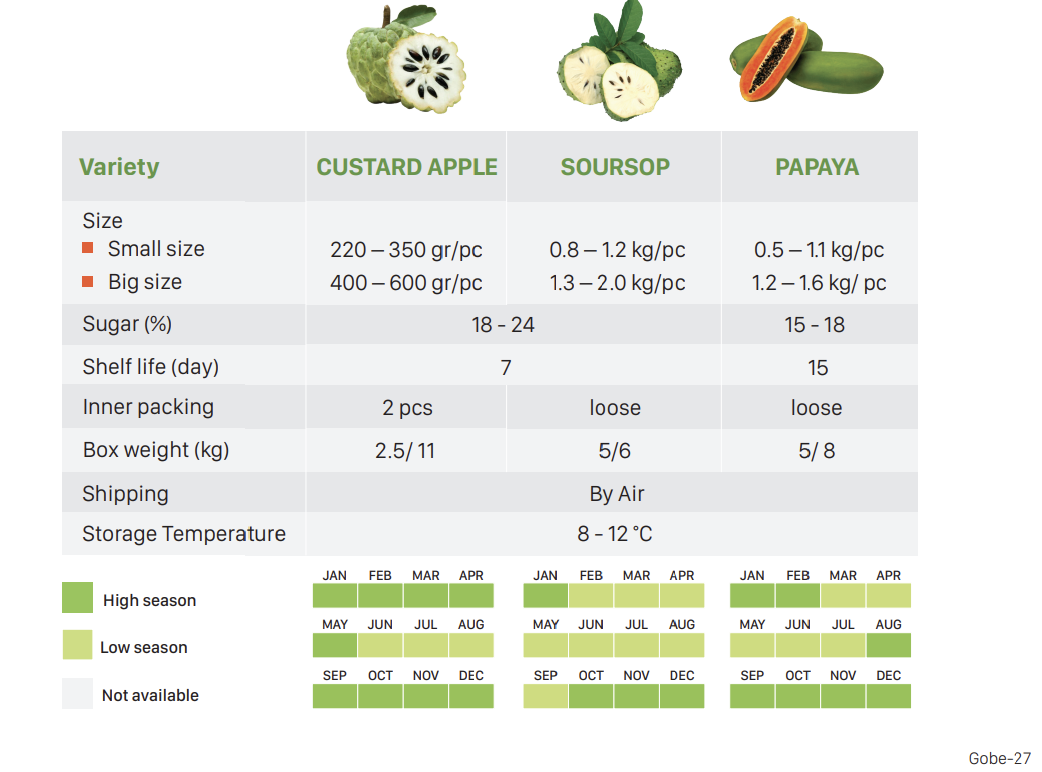
The table below compares the primary digestive enzymes across four commonly consumed fruits, highlighting the key differentiator that makes papaya uniquely effective for digestive support. Reviewing this comparison explains why papain’s broad pH stability is the decisive clinical advantage over all other fruit-based enzymes.
| Fruit | Primary Enzyme | Substrate | Active pH Range | Stability in Gastric Acid |
|---|---|---|---|---|
| Papaya | Papain | Proteins, peptides | 3.0 to 9.0 | High |
| Pineapple | Bromelain | Proteins | 4.5 to 9.0 | Moderate |
| Kiwi | Actinidin | Proteins (selective) | 4.5 to 6.0 | Low |
| Mango | Amylase | Carbohydrates | 6.5 to 7.5 | Very Low |
Papain’s ability to cleave a wider variety of peptide bonds than bromelain means it can partially digest a broader range of dietary proteins, making papaya a more versatile digestive aid for diets that include varied protein sources such as meat, legumes, dairy, and eggs.
Papaya gives you glowing skin through three distinct and complementary mechanisms: vitamin C stimulates collagen synthesis to maintain skin firmness and reduce fine lines, lycopene neutralizes UV-induced free radicals to prevent photoaging and hyperpigmentation, and papain dissolves the keratin bonds holding dead skin cells together to reveal fresher, more luminous skin beneath. Together, these three pathways address skin health at the cellular, structural, and surface levels simultaneously.
The collagen synthesis mechanism carries particular clinical significance. Vitamin C is a required cofactor for prolyl hydroxylase and lysyl hydroxylase, the two enzymes responsible for stabilizing the collagen triple helix structure. Without adequate vitamin C, newly synthesized collagen fibers are structurally weak and prone to breakdown, resulting in the sagging and wrinkling associated with accelerated skin aging. A single 150g serving of papaya provides roughly 90mg of vitamin C, exceeding the daily recommended intake for most adults and providing a meaningful daily contribution to dermal collagen maintenance.
Lycopene’s role in skin protection is equally important. Research published in the British Journal of Dermatology (2001) demonstrated that participants who consumed lycopene-rich foods over 10 weeks showed significantly greater resistance to UV-induced skin reddening (erythema), a proxy for deeper photodamage. Because papaya lycopene has higher bioavailability than tomato-derived lycopene, regular papaya consumption provides stronger photoprotective effects gram-for-gram compared to other lycopene sources.
Yes, eating papaya daily improves skin tone and texture, with measurable improvements in skin luminance typically observed within four to six weeks of consistent consumption, according to research on dietary carotenoids and skin coloration published in PLOS ONE (2012). The carotenoids in papaya, particularly beta-carotene and lycopene, deposit in subcutaneous fat and skin tissue over time, where they impart a subtle golden undertone that objective colorimetry measurements associate with perceived attractiveness and health in cross-cultural studies.
For visible skin tone improvement, research suggests a daily intake of approximately 200g of ripe papaya, providing roughly 3.6mg of lycopene and 120mg of vitamin C. Consistent intake over four to six weeks is necessary because carotenoid deposition in skin tissue is a cumulative process. Sporadic consumption produces minimal visible change, while daily intake creates a measurable and sustained shift in skin luminance and evenness.
Texture improvements follow a slightly different timeline. Papain’s enzymatic action on dead keratinocytes at the skin surface begins shortly after consumption increases papain levels in the bloodstream, but consistent results in terms of pore refinement and surface smoothness typically require two to three weeks of daily papaya consumption. The combined effect of internal carotenoid deposition and external enzymatic renewal creates a synergistic brightening result that neither mechanism achieves as effectively alone.
Eating papaya is superior for systemic skin benefits such as collagen synthesis, photoprotection, and long-term luminance, while applying papaya topically is more effective for immediate surface-level benefits such as exfoliation, brightening of existing dark spots, and reducing the appearance of minor blemishes. Each delivery method addresses a different layer of skin health, making the combination of both approaches the most comprehensive strategy.
When papaya is eaten, vitamin C and lycopene enter the bloodstream and reach the dermis, where they support collagen structure and protect fibroblasts from oxidative stress. These systemic benefits are not achievable through topical application because the skin’s barrier function prevents most large vitamin C molecules and lycopene from penetrating beyond the epidermis.
When fresh papaya pulp or a papain-rich mask is applied topically, the papain enzyme acts directly on corneocytes (dead surface skin cells) in the stratum corneum, dissolving the protein bonds that cause dull, congested skin. This is a faster and more targeted action than the systemic route for surface renewal. A critical caution applies: concentrated papain in commercial exfoliants or undiluted raw papaya latex can cause chemical burns or contact dermatitis if applied too frequently or left on sensitive skin for extended periods. Fresh ripe papaya pulp applied for 10 to 15 minutes, two to three times per week, represents a safe and effective topical protocol for most skin types.
Three parts of the papaya plant beyond the fruit itself carry documented health properties: the seeds, the leaves, and the unripe green flesh, each containing distinct bioactive compounds not found in ripe papaya fruit. These parts expand the therapeutic profile of the entire papaya plant into areas including antiparasitic action, platelet support in dengue fever, and liver detoxification.
The following two sections address the two most scientifically investigated non-fruit components of the papaya plant, its seeds and its leaves, where the strongest clinical evidence is concentrated.
Papaya seeds are safe to eat in small quantities (up to one teaspoon per day), and preliminary research suggests they possess antiparasitic, antibacterial, and liver-supportive properties, primarily because of their content of benzyl isothiocyanate, carpaine alkaloid, and papain. A small pilot study published in the Journal of Medicinal Food (2007) found that children given a papaya seed preparation showed significantly higher clearance of intestinal parasites compared to placebo.
Most available evidence comes from animal studies or small human trials, which limits the strength of current recommendations. High doses of papaya seeds may reduce sperm motility in men, so regular consumption above recommended amounts should be avoided. Grinding and mixing seeds with honey or juice is a common method of consumption in traditional medicine across Southeast Asia and parts of Africa.
Papaya leaf extract has been studied as a supportive therapy for dengue fever, with several clinical studies documenting its ability to increase platelet counts in patients with dengue-related thrombocytopenia. A randomized controlled trial published in Evidence-Based Complementary and Alternative Medicine (2017) found that standardized papaya leaf extract significantly raised platelet counts within 48 hours of administration compared to controls.
The proposed mechanism involves flavonoids and acetogenins in papaya leaves inhibiting the NS2B-NS3 protease of the dengue virus, while also stimulating thrombopoiesis (platelet production) through pathways not yet fully characterized. Papaya leaf extract is now routinely used as an adjunctive therapy in dengue management in India, Malaysia, Sri Lanka, and Vietnam, where dengue remains endemic.
From a supply chain perspective, papaya leaf availability is closely tied to fruit cultivation. Gobeimex grows papaya across farming regions in Vietnam’s Mekong Delta under GlobalGAP-certified conditions, ensuring that both the fruit and broader plant material meet international food safety standards. With a 52-week year-round supply capacity and cold chain logistics from farm to port, Gobeimex ensures that fresh Vietnamese papaya, one of the richest sources of the bioactive compounds discussed throughout this article, reaches importers, distributors, and supermarkets across more than 10 countries in peak condition.
For importers seeking a consistent, certified, and traceable source of export-grade fresh papaya from Vietnam, contact Gobeimex at Info@gobeimex.com or visit gobeimex.com to request a product catalog and availability schedule.