Subtotal $0.00

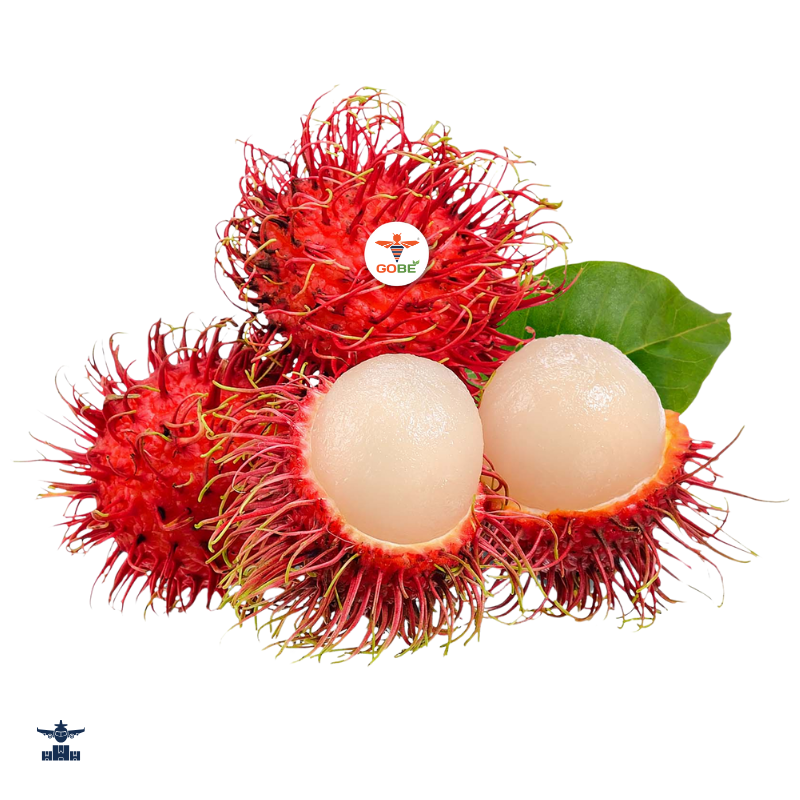
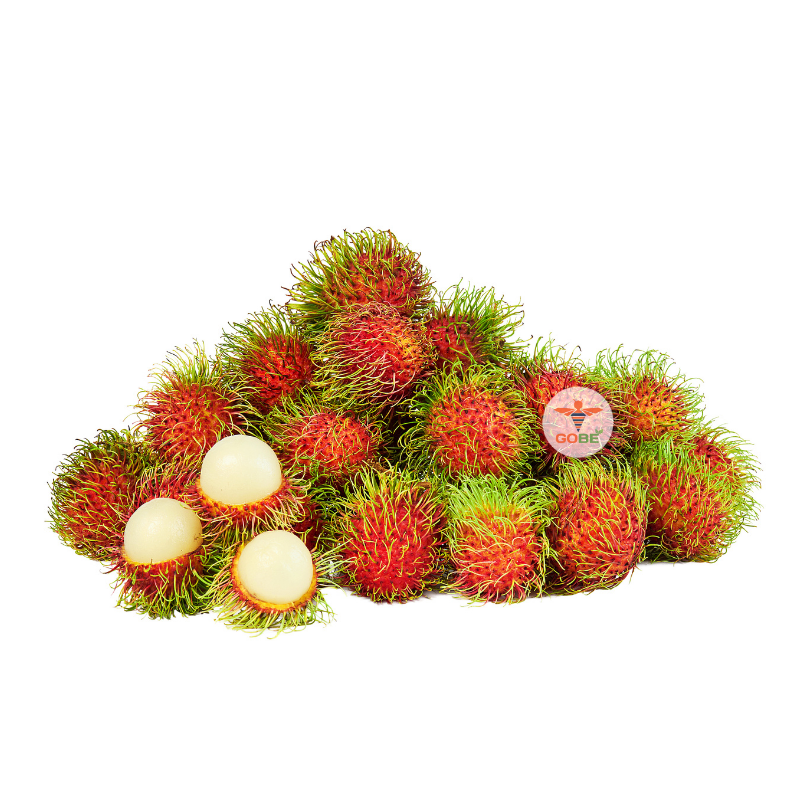
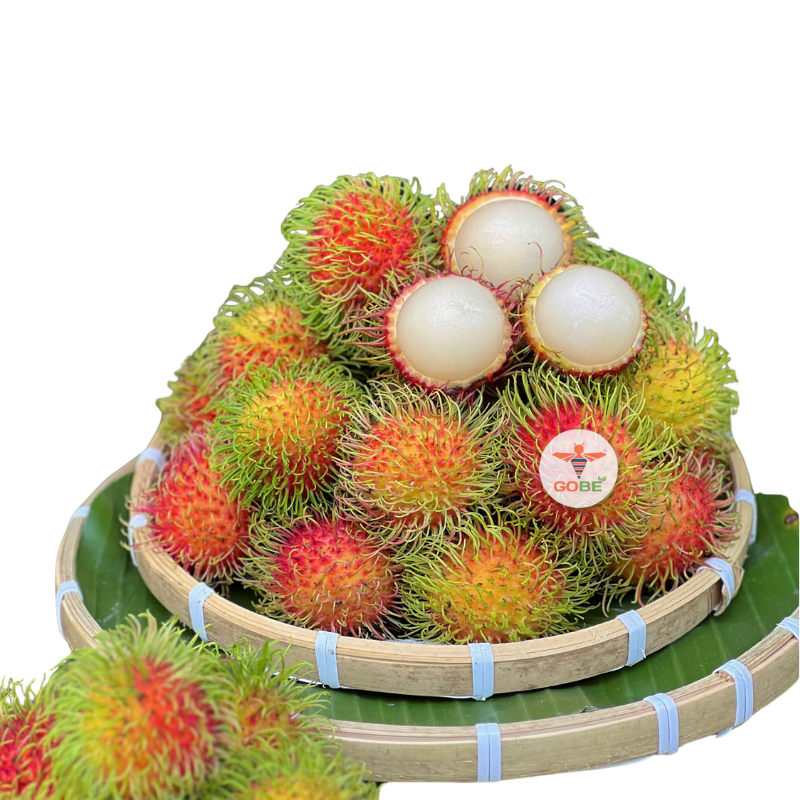
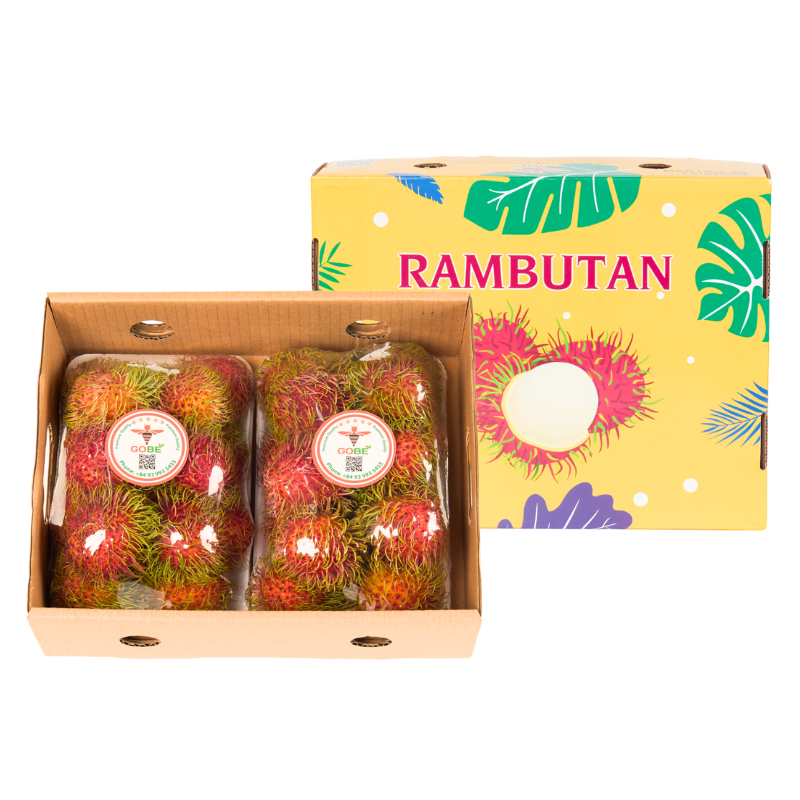
Importing fresh rambutan requires a structured approach covering sourcing, documentation, cold chain logistics, and supplier verification. Buyers who skip any of these steps face significant losses given rambutan’s 5 to 7-day shelf life. Global demand for this tropical fruit has surged across Canada, the UAE, Germany, Japan, and Kuwait, making it one of the most commercially attractive fresh fruit import categories for distributors and supermarket chains in 2025.
Verified rambutan exporters must hold internationally recognized certifications including GlobalGAP, ISO, and FDA as a minimum baseline. Buyers who treat certification as optional risk receiving shipments that fail customs inspection or fall short of their market’s food safety requirements. Beyond certifications, buyers need a clear framework for evaluating supplier capacity, cold chain control, and seasonal supply consistency before committing to a purchase order.
This guide walks international buyers through every critical decision point in the rambutan import process, from understanding the product and its specifications to comparing Java and Thai rambutan varieties, verifying exporter credentials, and anticipating phytosanitary compliance requirements by destination market.
Fresh rambutan (Nephelium lappaceum) is a tropical fruit native to Southeast Asia, prized for its translucent lychee-like flesh, natural sweetness ranging from 12 to 18 degrees Brix, and distinctive red or yellow hairy outer skin. It has become one of the fastest-growing exotic fruit imports across North America, Europe, and the Middle East, driven by growing diaspora communities and mainstream consumer interest in premium tropical produce.
Understanding why rambutan commands such strong buyer interest requires examining both its product profile and the market forces behind its rising import volumes.
Rambutan delivers strong commercial appeal for importers because it combines novelty, premium positioning, and consistent consumer demand from Southeast Asian diaspora communities in markets like Canada, the UK, and Germany. Its visual distinctiveness makes it a high-margin SKU in ethnic grocery stores, Asian supermarkets, and mainstream retail chains.
Rambutan carries a retail price premium compared to more commoditized tropical fruits, allowing distributors to achieve stronger margins. The fruit is exported primarily from Vietnam, Thailand, and Indonesia, with Vietnam emerging as a key origin for buyers seeking year-round supply capability and GlobalGAP-certified sourcing. According to FreshPlaza, Vietnamese tropical fruit and vegetable exports have gained significant global traction in recent years, driven by expanding certification infrastructure and improved logistics from origin.
The key product specifications for fresh rambutan are standardized around size, sugar content, shelf life, packing format, and storage temperature. Buyers must incorporate these parameters into purchase agreements to ensure shipment quality on arrival.
The table below outlines the core product specifications for the two principal rambutan varieties exported from Vietnam, giving buyers the technical baseline needed to write accurate product briefs and quality control clauses.
| Specification | Java Rambutan | Thai Rambutan |
|---|---|---|
| Size (pcs/kg) | 30 to 36 | 30 to 36 |
| Sugar content (Brix %) | 12 to 16% | 14 to 18% |
| Shelf life (days) | 5 days | 7 days |
| Inner packing | 250 g / 500 g / 1 kg | 250 g / 500 g / 1 kg |
| Box weight options (kg) | 1 / 2 / 5 / 7 / 10 | 1 / 2 / 5 / 7 / 10 |
| Shipping method | By air | By air |
| Storage temperature | 8 to 15 degrees Celsius | 8 to 15 degrees Celsius |
Both varieties share the same size classification and packing formats but differ meaningfully in sugar content and shelf life, a distinction that directly affects market suitability by destination. Buyers should reference these figures when drafting quality agreements and setting inspection criteria at the port of destination.
Importing fresh rambutan follows a six-stage process: identify a verified source origin, select and evaluate a certified exporter, negotiate product specifications and pricing, confirm documentation requirements for your destination market, arrange air freight with cold chain continuity, and manage customs clearance and last-mile distribution. Each stage carries specific risks unique to a perishable product with a shelf life of only 5 to 7 days.
The next two sections address the two most operationally complex stages of this process: documentation and cold chain logistics.
Importing fresh rambutan requires a minimum set of trade and phytosanitary documents, and the exact combination varies by destination country. The core documentation set applicable to most markets includes:
Buyers should request a documentation checklist from their chosen exporter before finalizing the purchase order, and cross-reference requirements with their local customs broker or freight forwarder who specializes in perishable air freight.
Fresh rambutan must be shipped exclusively by air freight, maintained at a continuous temperature of 8 to 15 degrees Celsius from harvest through packing, ground transport to the airport, in-flight storage, and final delivery at destination. Any temperature excursion within this chain can accelerate fruit browning, reduce shelf life, and result in rejection upon arrival.
The cold chain requirements are non-negotiable for this commodity. Key operational standards that buyers should confirm with any rambutan exporter before placing an order include:
A verified rambutan exporter must hold at minimum GlobalGAP, ISO, and FDA certifications. Buyers sourcing for EU, UK, or North American supermarket supply chains should additionally require GRASP and Sedex membership. Certifications are not optional marketing credentials; they are operational proof that the exporter controls quality, food safety, and supply chain ethics at the level required by international markets.
The following two sections break down which certifications are non-negotiable and how buyers can verify their legitimacy before committing to a supplier.
There are five certifications that define a verified rambutan exporter, each addressing a distinct dimension of supply chain compliance: agricultural practice, quality management, food safety, social responsibility, and ethical transparency.
Buyers should require the following as a baseline:
Importers supplying EU retailers, UK supermarkets, or Canadian grocery chains should treat the full five-certification set as the minimum acceptable standard. Exporters who hold only one or two certifications present measurable compliance risk.
Verifying a rambutan supplier’s certifications requires direct database checks, not just accepting copies provided by the supplier. Buyers should follow a structured verification protocol before onboarding any new exporter:
Gobeimex (Golden Bee Import Export Company Limited) from Vietnam holds all five certifications: GlobalGAP, GRASP, ISO, FDA, and Sedex, and publicly lists these on its company profile. This five-certification benchmark serves as a practical comparison point when evaluating other exporters.
Verified fresh rambutan suppliers can be identified through international trade exhibitions, B2B platforms, and industry media, then evaluated against a structured set of operational criteria covering growing area control, cold chain capability, and year-round supply consistency. The identification and evaluation stages are equally important, as many suppliers who appear on B2B platforms have not been independently audited for quality or certification compliance.
The two most effective sourcing channels for verified rambutan exporters are major international fresh produce trade fairs and specialist fresh produce media, both of which apply editorial or admission standards that filter out non-verified suppliers.
Before placing a first order with any rambutan exporter, buyers should conduct a structured pre-qualification interview covering growing area control, supply timing, seasonal capacity, and complaint resolution policy. The following questions form the core of a rigorous supplier qualification process:
Growing area and traceability:
Harvest-to-pack timing:
Seasonal supply and volume capacity:
Quality complaints and compensation:
An unverified or unreliable rambutan exporter shows five consistent warning signs, and buyers who overlook these signals risk receiving low-quality or non-compliant shipments that cause financial loss and reputational damage in their market.
The red flags buyers must watch for include:
Thai Rambutan is the stronger choice for long-haul markets such as the EU and Canada due to its 7-day shelf life and higher Brix range of 14 to 18%, while Java Rambutan suits shorter-route Asian markets with its 5-day shelf life and Brix range of 12 to 16%. Both varieties share identical sizing and packing specifications, so the buying decision comes down primarily to transit time and target consumer sweetness preference.
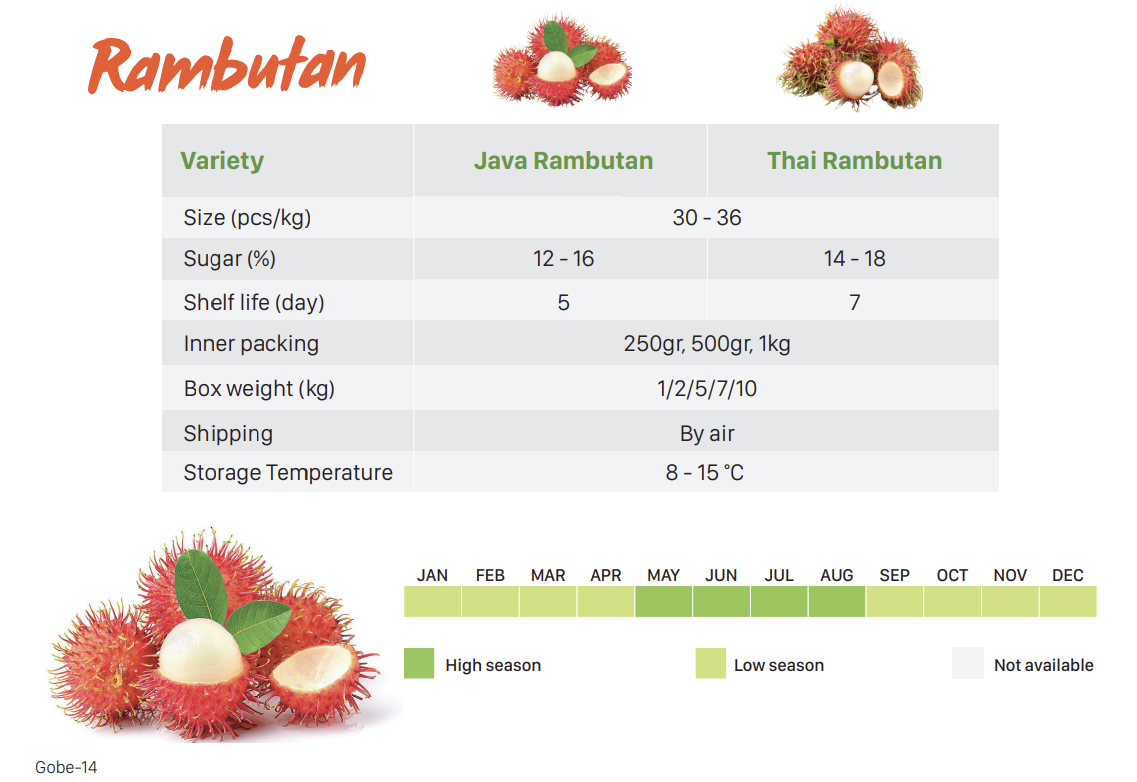
The table below provides a direct comparison of the two varieties across all commercially relevant criteria, enabling buyers to make an informed selection based on their destination market and supply chain requirements.
| Comparison Criterion | Java Rambutan | Thai Rambutan |
|---|---|---|
| Sugar content (Brix %) | 12 to 16% | 14 to 18% |
| Shelf life post-harvest | 5 days | 7 days |
| Best suited market | Short-route Asian markets | Long-haul: EU, Canada, Middle East |
| Size classification (pcs/kg) | 30 to 36 | 30 to 36 |
| Shipping method | By air | By air |
| Storage temperature | 8 to 15 degrees Celsius | 8 to 15 degrees Celsius |
| High season availability | May to August | May to August |
The critical practical difference between the two varieties is shelf life: with only 5 days post-harvest, Java Rambutan is viable only for markets reachable within 2 to 3 days of air transit from Vietnam. Thai Rambutan’s 7-day shelf life provides a meaningful buffer for flights to Europe (12 to 14 hours) or Canada (15 to 18 hours), accounting for customs clearance time at destination.
Buyers targeting premium retail segments in the UAE, UK, or Germany will generally find Thai Rambutan’s higher Brix range more aligned with consumer sweetness expectations in those markets. Both varieties share the same inner packing formats (250 g, 500 g, 1 kg) and master carton weights (1, 2, 5, 7, 10 kg), so no packaging adjustment is required when switching between varieties for different market destinations.
Peak availability for both varieties runs from May through August, which constitutes the high season. Buyers planning promotional campaigns, listing negotiations with supermarket buyers, or initial trial orders should align timelines with this window to ensure maximum volume availability and competitive pricing. Low season months (January to April and September to December) require advance supply planning and direct coordination with exporters who maintain growing area diversification to sustain supply continuity.
Yes, importing fresh rambutan requires country-specific phytosanitary compliance, and each destination market maintains its own regulatory framework governing pest interception, residue limits, and import permit requirements for fresh tropical fruit. Buyers who assume a single phytosanitary certificate covers all markets will face shipment holds, rejections, or import bans.
The major destination market frameworks that rambutan importers must be aware of include: the EU’s official controls regulation (EC 2017/625), the US USDA APHIS import permit and FDA FSMA requirements, Japan’s Plant Protection Law administered by the Ministry of Agriculture Forestry and Fisheries (MAFF), and the UAE’s Emirates Authority for Standardization and Metrology (ESMA) food import standards. Verified rambutan exporters understand these destination-specific requirements and prepare the corresponding documentation set for each market without being prompted.
GRASP and Sedex certifications protect importers by providing audited assurance that the rambutan supply chain meets ethical labor and social standards, reducing the risk of reputational damage in Western markets where supply chain ethics face increasing public and regulatory scrutiny.
GRASP (GlobalGAP Risk Assessment on Social Practice) evaluates labor conditions, worker rights, and social compliance within the growing and packing operations. Sedex (Supplier Ethics Data Exchange) enables importers to access standardized audit data on the supplier’s ethical performance remotely. UK and EU supermarkets increasingly require Sedex membership as a mandatory condition for onboarding new fresh produce suppliers. Importers who do not verify GRASP and Sedex compliance expose themselves to reputational risk if their supplier is found to have labor violations.
Cold chain failure is the highest single operational risk in rambutan air freight, and the most vulnerable point is the ground transport leg between the packing house and the airport of departure.
Rambutan’s shelf life of only 5 to 7 days means any uncontrolled temperature excursion above 15 degrees Celsius during ground transport, airport handling, or cargo staging can irreversibly accelerate fruit browning and reduce saleable shelf life at destination. Importers should require a temperature log report for each shipment, a packing house inspection certificate, and documented evidence of the exporter’s cold transport fleet capability. Exporters such as Gobeimex, who maintain their own refrigerated container trailer fleet dedicated to the packing house-to-port leg, eliminate the most common point of cold chain failure, offering importers a measurably lower shipment loss risk profile compared to exporters who rely on subcontracted transport for this critical segment.
Data references: Rambutan product specifications sourced from Gobeimex (Golden Bee Vietnam) product data. Seasonal availability data based on Vietnam rambutan harvest calendar. Certification references based on GlobalGAP, FDA, ISO, Sedex, and GRASP official program documentation. Market regulatory references based on EC 2017/625, USDA APHIS, Japan MAFF Plant Protection Law, and UAE ESMA food import standards.
For verified rambutan export inquiries, buyers can contact Gobeimex directly at Info@gobeimex.com or visit gobeimex.com.