Subtotal $0.00

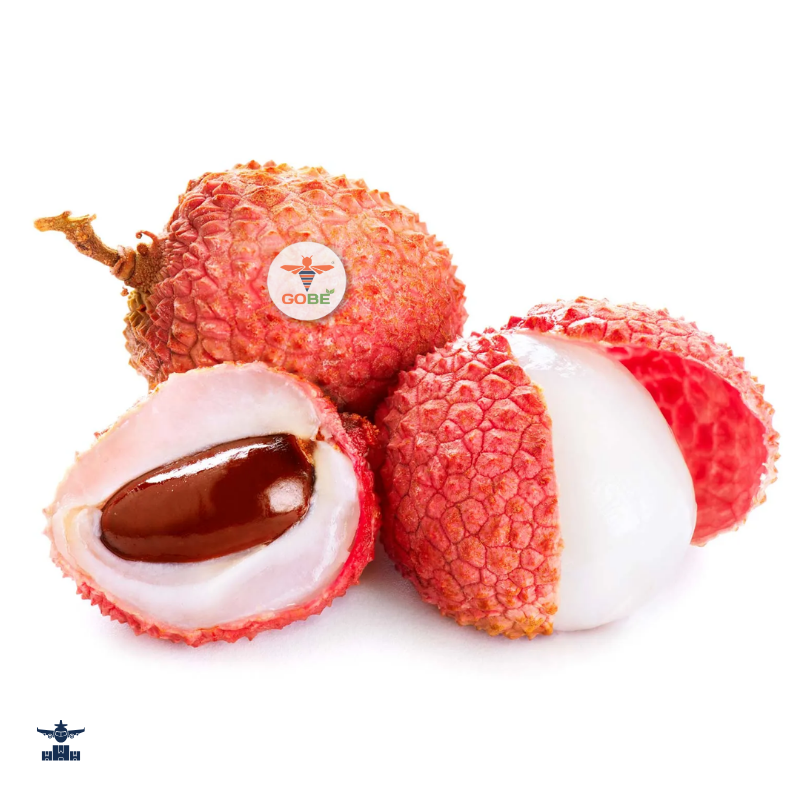
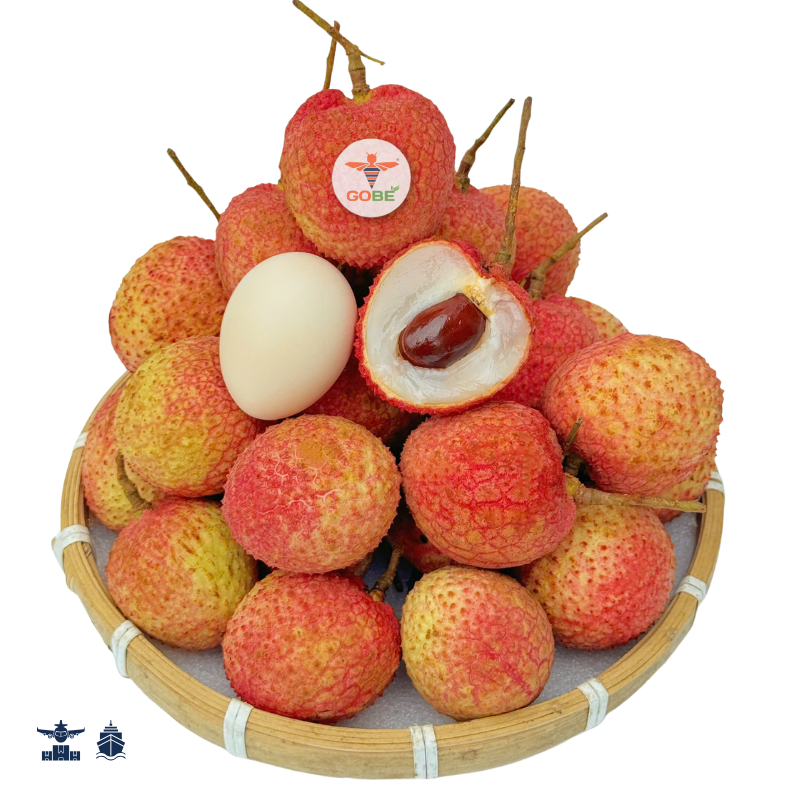
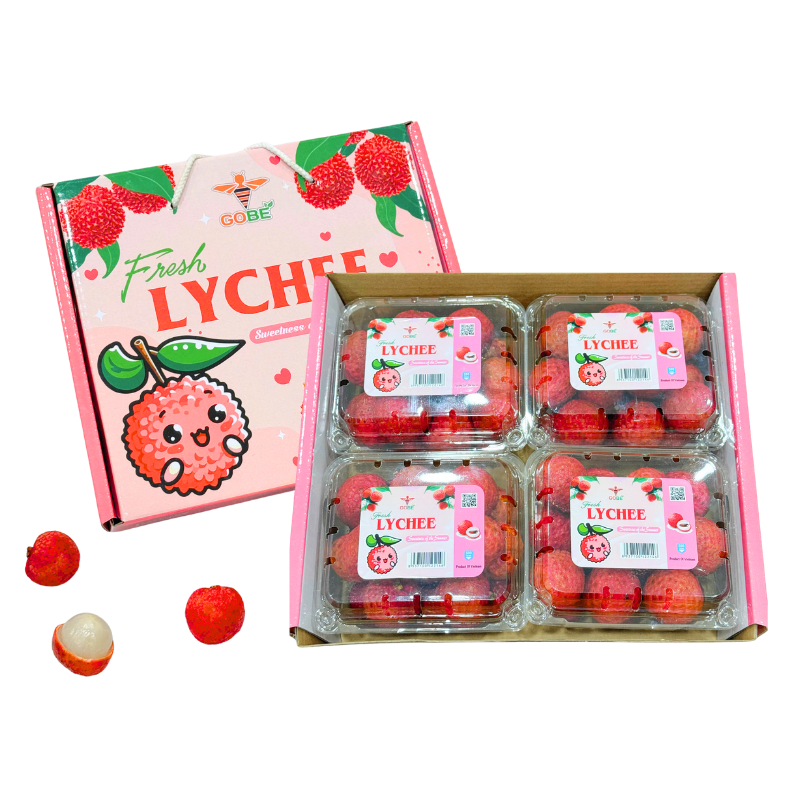
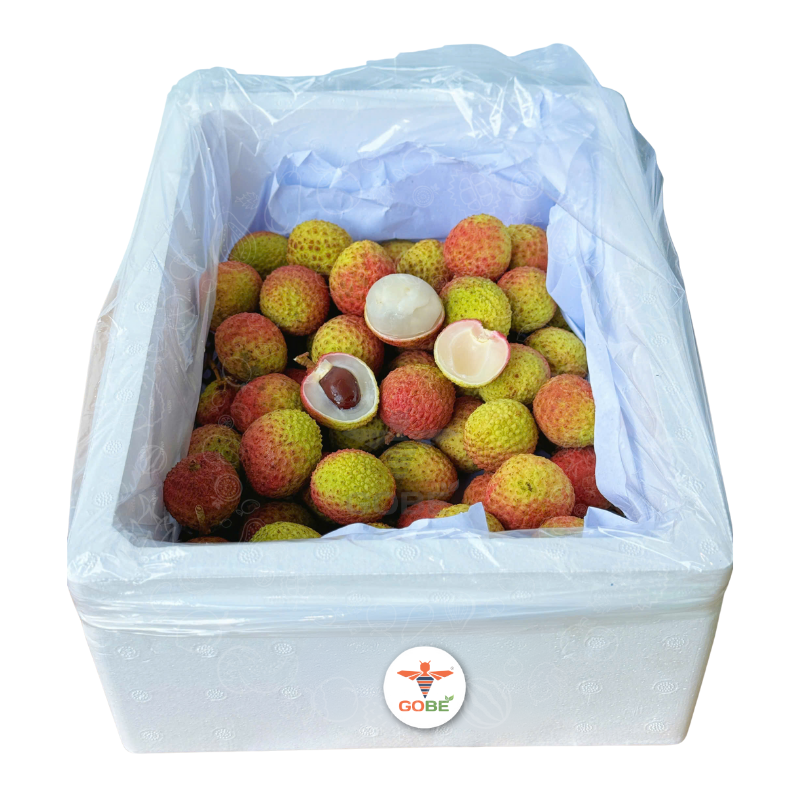
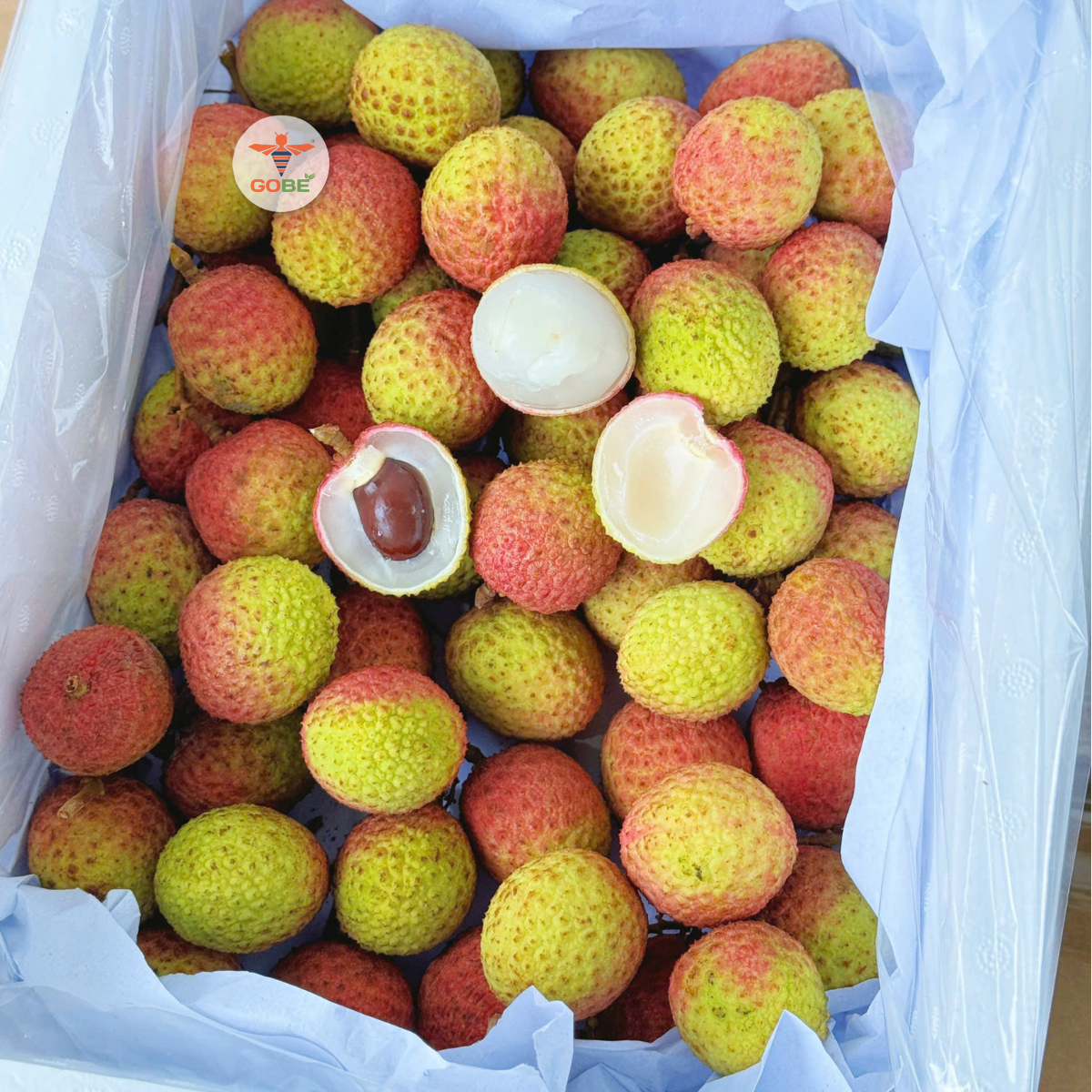
Exporting lychee from Vietnam follows seven sequential stages: harvest planning, post-harvest preparation, sorting and packing, documentation, customs clearance, cold-chain transport, and delivery to the destination port. Each stage carries strict timing constraints, particularly the critical window of getting fresh lychee into the packing house within 12 hours of harvest to lock in peak freshness and maximize shelf life. For businesses entering international markets for the first time, understanding this end-to-end process is the essential starting point.
Meeting the requirements to export lychee legally and successfully means satisfying three layers of compliance: a complete documentation package covering the Phytosanitary Certificate, Certificate of Origin, Commercial Invoice, and more; phytosanitary and food safety regulations specific to each import market; and pre-registration with the relevant destination-country authorities before shipping the first consignment. These requirements are not uniform. The United States, the European Union, Japan, and the Middle East each maintain distinct regulatory frameworks, and a shipment cleared for one market may not automatically meet the standards of another.
Beyond procedures and regulatory requirements, exported lychee must conform to internationally recognized quality and safety standards including GlobalGAP, ISO, FDA, and Codex Alimentarius guidelines. These standards govern everything from maximum residue levels for pesticides to packaging specifications, labeling content, and cold chain integrity from packing house to end consumer. For exporters aiming to build long-term trading relationships with supermarkets and distributors worldwide, achieving and maintaining these certifications is the foundation of a credible, competitive export operation.
Exporting lychee involves seven sequential stages: harvest planning, timely harvesting, post-harvest handling and sorting, packing, documentation preparation, customs clearance, and refrigerated transport to the destination port. Each stage is time-sensitive, and delays at any point can compromise product quality and market access. The sections below break down each stage in full, from the farm gate to the final port of delivery.
Lychee must be harvested at precise maturity, with sugar content reaching 18 to 22 percent for U Hong and 20 to 22 percent for Thieu, before any post-harvest handling begins. Harvesting at the wrong stage directly shortens shelf life and reduces the product’s appeal to international buyers. The following steps outline the complete post-harvest preparation process for export-grade lychee.
The proximity of the packing house to the growing area is not a logistical convenience alone. It is a structural advantage that directly determines whether the product arrives at the destination in peak condition. Gobeimex’s Tien Giang facility, positioned within the primary lychee-growing region, allows fruit to move from orchard to cold storage in the shortest possible time, preserving natural sugar content, skin color, and aroma before shipment.
There are two primary shipping methods for exporting lychee: air freight and sea freight, and the correct choice depends on the lychee variety, the target market’s distance from Vietnam, and the buyer’s lead time requirements. The choice between methods directly affects logistics cost, viable market reach, and the risk of quality failure during transit. The table below summarizes which shipping method applies to each variety based on shelf life data.
The table below compares U Hong and Thieu lychee across shipping options and destination market suitability. Exporters can use it to select the correct logistics method for each variety and target market.
| Specification | U Hong | Thieu |
| Shelf life | 40 days | 7 days |
| Shipping by air | Yes | Yes |
| Shipping by sea | Yes | No |
| Suitable for long-haul markets | Yes, Europe, Canada, Middle East | No |
| Suitable for short-haul or premium markets | Yes | Yes, Japan, regional Asia |
This table shows that U Hong lychee’s 40-day shelf life makes it commercially viable for sea freight to distant markets, while Thieu lychee’s 7-day shelf life restricts it exclusively to air freight and short transit routes. The following practical considerations should also inform the shipping method decision.
For most exporting businesses, a dual-variety strategy that pairs U Hong for sea freight routes with Thieu for air freight to premium nearby markets allows maximum revenue optimization across the full May-to-July harvest season.
Exporting lychee legally requires meeting three categories of mandatory requirements: a complete documentation package, compliance with phytosanitary and food safety regulations, and adherence to the specific import rules of each destination market. These requirements are market-dependent, and each importing country enforces its own distinct set of conditions. The sections below cover each requirement category in detail, with specific guidance for the most important destination markets.
A complete lychee export documentation package includes six core documents: a Phytosanitary Certificate, a Certificate of Origin, a Commercial Invoice, a Packing List, a Bill of Lading or Airway Bill, and a Health Certificate. Each document serves a distinct function and must be prepared accurately and on time to avoid shipment delays at the port of export or the port of entry. The table below outlines each document, its issuing authority in Vietnam, and its primary function.
The table below lists all mandatory export documents for lychee shipments from Vietnam. Reviewing this list against each shipment ensures that no document is missing before handover to the freight forwarder.
| Document | Issuing Authority in Vietnam | Purpose |
| Phytosanitary Certificate | Plant Protection Department, MARD | Certifies the shipment is free from pests and plant diseases |
| Certificate of Origin | VCCI or Ministry of Industry and Trade | Confirms Vietnamese origin; required for preferential tariff rates under trade agreements |
| Commercial Invoice | Exporter | States the commercial value, quantity, and transaction terms |
| Packing List | Exporter | Describes the weight, quantity, and packing configuration of each carton |
| Bill of Lading or Airway Bill | Shipping carrier or freight forwarder | Title document for sea or air cargo; required for customs clearance at destination |
| Health Certificate | Department of Agriculture, MARD | Certifies the product meets food safety standards and is fit for human consumption |
Beyond the documents themselves, the following practical considerations directly affect whether a shipment clears customs without delay.
According to export compliance guidelines issued by Vietnam’s Ministry of Agriculture and Rural Development (MARD, 2023), all phytosanitary certificates for fresh lychee exports must be issued within 24 hours of the scheduled departure to retain their validity at most destination ports of entry.
Each major import market enforces its own phytosanitary and regulatory requirements for fresh lychee, covering pest control, maximum residue limits, and mandatory pre-entry treatments, and exporters must research and comply with the specific rules of each destination before preparing the first shipment. Requirements vary substantially between markets, and a compliant shipment for one country may be rejected by another. The breakdown below covers the key requirements for the most important destination markets.
United States, US FDA and USDA APHIS
Lychee exported from Vietnam to the United States must undergo irradiation treatment in a USDA-approved facility before export. This is a mandatory phytosanitary measure designed to neutralize fruit flies and other quarantine pests. The exporting company must also be registered with the US FDA under the Prior Notice and Food Facility Registration requirements of the Bioterrorism Act. Pesticide residue levels must comply with US EPA maximum residue limit tolerances, which in some cases are stricter than Codex Alimentarius international standards.
European Union
The EU enforces phytosanitary regulations under Commission Regulation (EC) No. 669/2009 and related directives. Fresh lychee from Vietnam is subject to import controls at designated border inspection posts. Pesticide maximum residue limits are governed by Regulation (EC) No. 396/2005, and EU standards are among the most stringent globally, particularly for certain fungicides and insecticides. The EU also requires that all food businesses in the exporting country be registered and that MARD formally guarantees the food safety of the exported product.
Japan
Japan enforces lychee import requirements under the Plant Protection Law and the Food Sanitation Law. Japan may require vapor heat treatment as a condition of entry to control Oriental fruit fly and other listed pests. Maximum residue limit requirements under Japan’s Positive List System are highly specific and cover hundreds of active pesticide substances. Exporters are strongly advised to obtain a full pesticide residue screening report from a Japanese-accredited laboratory before shipping to this market.
Middle East, UAE, Kuwait, Saudi Arabia
Import requirements in Gulf Cooperation Council countries are governed by the Gulf Standardization Organization and individual national food authorities. Health certificates, Certificates of Origin, and phytosanitary certificates are standard requirements. Pesticide residue testing must conform to Codex Alimentarius maximum residue limit standards or the importing country’s national standards, whichever are stricter.
A key recommendation for all markets: establish formal communication with the import regulatory authority or the in-country importer well before the first shipment. Regulatory frameworks change, and a pre-clearance consultation reduces the risk of rejection at the border.
Exported lychee must meet four internationally recognized quality and food safety standard frameworks: GlobalGAP, ISO quality management systems, FDA food safety requirements, and Codex Alimentarius guidelines on maximum residue limits and fresh produce handling. Compliance with these standards is both a market access requirement and a commercial differentiator that builds buyer confidence and supports premium pricing. The sections below detail the specific requirements that apply to packaging, labeling, cold chain integrity, and storage throughout the export journey.
Exported lychee must be packed in standardized inner units of 500 grams or 1 kilogram, placed inside outer cartons available in 1, 2, 5, 12, or 16 kilogram configurations, each suited to different distribution channels and retail environments. The correct combination of inner and outer packaging protects the fruit during transit and communicates professionalism to international buyers. The table below shows how each outer box configuration is best matched to a specific distribution channel.
The table below maps each carton size to the distribution channel it is best suited for. Selecting the right configuration for each buyer type reduces packaging waste and improves shelf presentation.
| Box Weight | Best Suited For |
| 1 kg and 2 kg | Retail shelf-ready packs, specialty grocery, direct-to-consumer |
| 5 kg | Food service, restaurants, hospitality buyers |
| 12 kg and 16 kg | Wholesale importers, supermarket distribution centers, bulk buyers |
Beyond physical packing specifications, every carton of exported lychee must carry a label that complies with the labeling regulations of the destination market. The following elements are mandatory on every export label.
Exporters supplying the European market should also note that the EU’s Green Deal and Farm to Fork strategy are driving growing buyer preference for recyclable or compostable outer packaging materials. Transitioning from conventional corrugated cartons treated with non-recyclable wax coatings to fully recyclable corrugated materials is a proactive step that strengthens long-term competitiveness in European retail channels.
An unbroken cold chain maintained at 2 to 4 degrees Celsius from the packing house through to the end consumer is the single most critical factor determining whether exported lychee arrives in marketable condition. Any interruption in temperature control, even briefly, accelerates browning, reduces sugar content, and shortens effective shelf life. The following operational standards apply at each stage of the cold chain.
At the packing house: Pre-cooling equipment must bring the core fruit temperature down to 2 to 4 degrees Celsius before packing begins. Packing must be carried out in a temperature-controlled environment to prevent the product from warming up during the packing operation itself.
During transport from packing house to port: Refrigerated container trucks must maintain 2 to 4 degrees Celsius continuously. Gobeimex operates its own fleet of refrigerated container trailers for this stage, eliminating the risk of temperature breaks caused by third-party logistics handoffs. Every reefer unit should be pre-cooled to the target temperature before loading, and temperature data loggers should be fitted to record the thermal history of the cargo throughout the journey.
During sea or air transit: For sea freight, reefer containers must be set and verified at 2 to 4 degrees Celsius before stuffing. The carrier is responsible for maintaining this temperature for the duration of the voyage. Exporters should request a temperature log download from the reefer controller at the destination port as part of their quality assurance protocol. For air freight, cool dolly transfers between the packing facility and the aircraft cargo hold are essential to maintain cold chain integrity at the airport.
The table below shows the impact of cold chain integrity on the shelf life of both primary export varieties. It quantifies the commercial cost of any temperature breach during transit.
| Condition | U Hong Shelf Life | Thieu Shelf Life |
| Unbroken cold chain at 2 to 4 degrees Celsius | Up to 40 days | Up to 7 days |
| Temperature breach exceeding 2 degrees Celsius | Shelf life reduced by 30 to 50 percent | Product becomes unmarketable within 2 to 3 days |
This table highlights why cold chain management is proportionally more critical for Thieu lychee, which has almost no buffer for temperature deviations during transit. The following certifications are relevant to cold chain logistics compliance in fresh produce export.
Companies like Gobeimex, which hold GlobalGAP, ISO, FDA, and Sedex certifications and operate their own controlled logistics infrastructure, offer buyers an end-to-end cold chain guarantee that reduces the risk of quality failures at the destination.
U Hong lychee is the stronger choice for long-haul export to Europe, Canada, and the Middle East because of its 40-day shelf life and compatibility with both air and sea freight, while Thieu lychee is better suited to premium short-haul markets, particularly Japan and regional Asia, where its distinctive flavor profile commands a higher price premium despite its 7-day shelf life limitation. For exporters building a commercial export program, the choice between varieties is not necessarily an either-or decision. The two sections below compare both varieties in detail and address the question of special treatment protocols required by specific markets.
U Hong leads on logistics flexibility and market reach; Thieu leads on flavor intensity and premium positioning in markets willing to pay for it. Understanding this distinction allows exporters to design a variety allocation strategy that maximizes both volume and margin across the May-to-July harvest window. The table below presents a direct comparison across the criteria that matter most to export businesses.
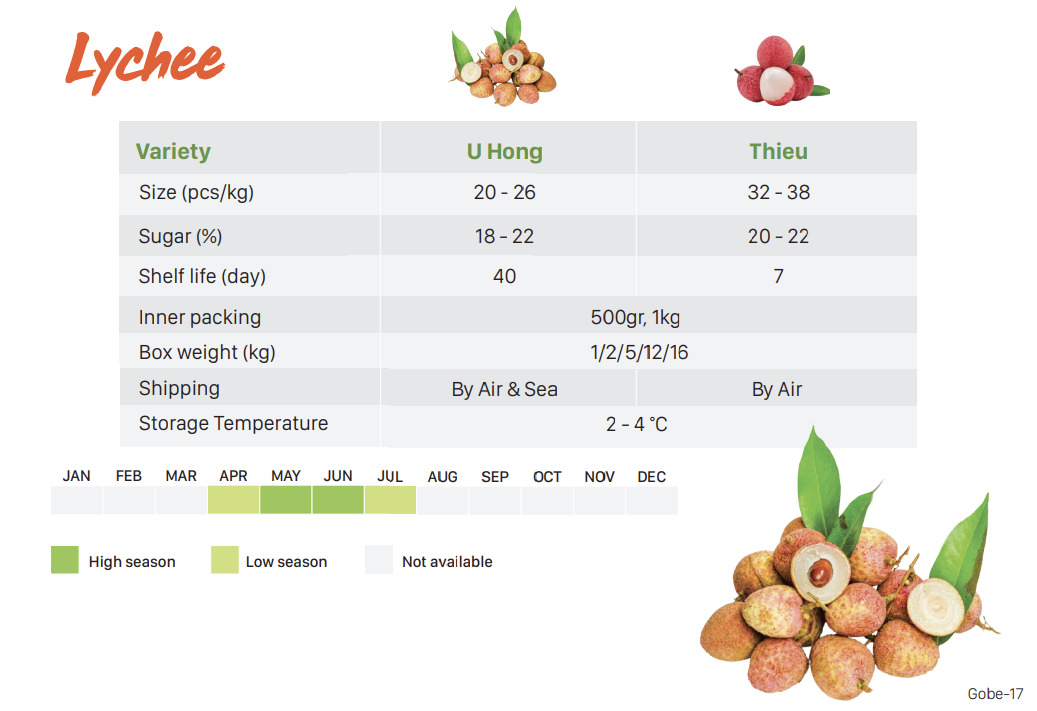
The table below compares U Hong and Thieu lychee across eight export criteria. Exporters can use it to match each variety to the most suitable destination market and shipping method.
| Export Criterion | U Hong | Thieu |
| Size in pcs per kg | 20 to 26 | 32 to 38 |
| Sugar content in percent | 18 to 22 | 20 to 22 |
| Shelf life in days | 40 | 7 |
| Shipping by air | Yes | Yes |
| Shipping by sea | Yes | No |
| Best markets | Europe, Canada, UAE, Kuwait | Japan, Maldives, premium regional Asia |
| High season | May and June | May and June |
| Low season availability | April and July | April and July |
U Hong’s 40-day shelf life is its defining competitive advantage for export, allowing it to reach distant markets via sea freight at a fraction of the cost of air shipment, while still arriving fresh and commercially viable. Thieu’s smaller berry size and higher natural sugar concentration appeal to premium buyer segments that prize flavor complexity, but its 7-day shelf life makes it an operationally demanding product requiring near-perfect coordination from harvest to in-store display.
Yes, specific export markets require mandatory treatment protocols for lychee before entry is permitted: the United States requires irradiation treatment certified by a USDA APHIS-approved facility, while Japan and South Korea may require vapor heat treatment to eliminate quarantine pests including Oriental fruit fly. Exporters must integrate these treatment steps into their production schedule before targeting these markets, as no shipment will be cleared without documented proof of approved treatment. The following guidance applies to planning these treatments effectively.
According to USDA APHIS import requirements (2023), irradiation treatment for fresh lychee must be performed at a minimum absorbed dose of 400 Gray to ensure elimination of all quarantine pest life stages before entry into the United States.
For more information about exporting fresh lychee from Vietnam, including product specifications, certification documentation, and year-round supply availability, contact the Gobeimex team at Info@gobeimex.com or visit gobeimex.com.
Gobeimex — Elevating Vietnamese Produce, Connecting Global Markets.