Subtotal $0.00

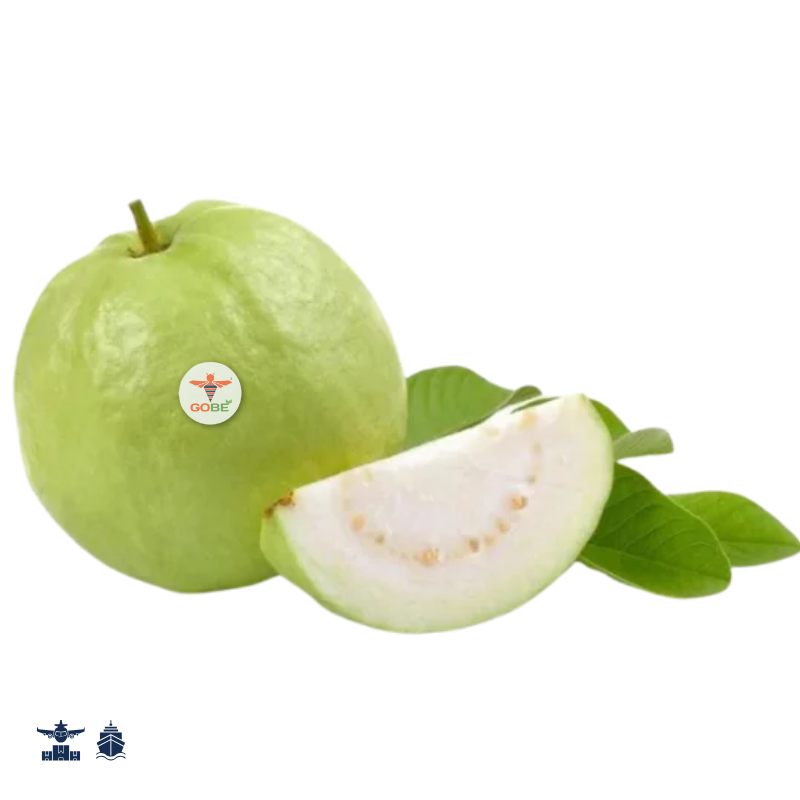
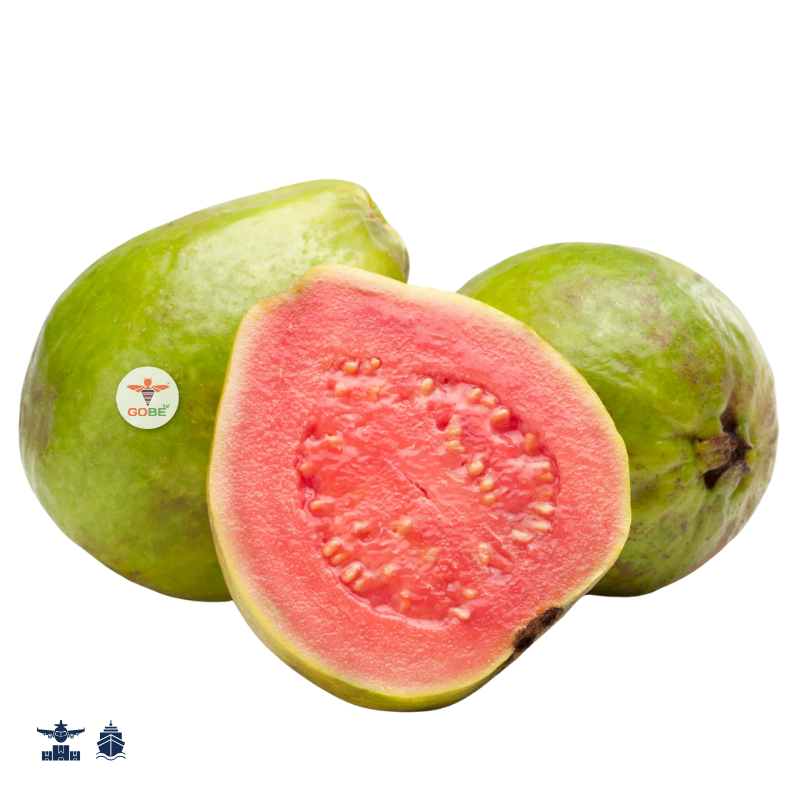
Guava fruit delivers approximately 228 mg of Vitamin C per 100g, along with dietary fiber, potassium, lycopene, and B-complex vitamins within roughly 68 calories. This nutrient density places guava among the most impressive tropical fruits by micronutrient content, making it a priority choice for health-conscious consumers, nutritionists, and international fresh produce buyers.
Guava supports immune function, promotes digestive health, regulates blood pressure, and contributes to cardiovascular wellness. These benefits come directly from its antioxidants, soluble and insoluble fiber, and key minerals including magnesium and potassium, which act synergistically to protect and nourish the body.
Guava is safe and beneficial for most people, but individuals with irritable bowel syndrome, diabetic patients on medication, and those using guava leaf extract in supplement form should approach consumption with greater care. This article explores guava’s nutrition facts, health benefits, and side effects in full so you can make informed decisions about adding it to your diet or product sourcing portfolio.
Guava is a tropical flowering plant of the species Psidium guajava, belonging to the Myrtaceae family, native to the Americas, and now widely cultivated across Southeast Asia, South Asia, and Latin America. This section covers its botanical identity, physical characteristics, and the two commercial varieties that determine its nutritional composition and shelf behavior.
Guava grows on small to medium-sized trees that thrive in warm, humid climates where consistent rainfall supports fruit development. The fruit measures between 4 and 12 centimeters in diameter, with a thin edible skin ranging from pale green when unripe to bright yellow or cream when fully matured. Inside, the flesh surrounds a central seeded pulp core and varies considerably by variety.
White flesh guava offers a firmer texture, milder flavor, and a shelf life of up to 45 days at 2 to 4°C, while red flesh guava provides a softer texture, stronger aroma, a shorter shelf life of approximately 25 days, and significantly higher lycopene concentration. Both varieties share a consistent sugar content of 7 to 9 percent Brix, which signals reliable eating quality to international importers. Understanding this difference helps buyers select the right variety for their target market and logistics requirements.
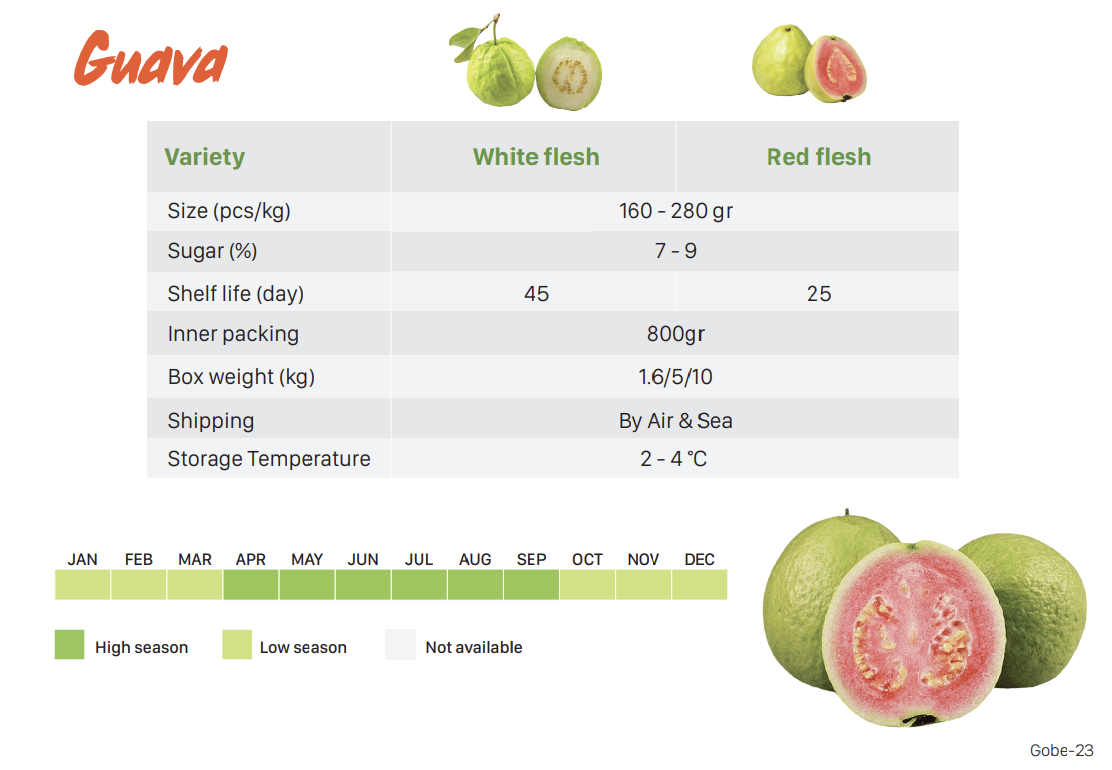
White flesh guava appeals strongly to European and Middle Eastern markets where firmer texture and longer shelf life are logistical priorities. Its subtle sweetness makes it well-suited to retail environments where produce must endure extended cold chain transit.
Red flesh guava attracts health-focused consumers seeking antioxidant-rich fruits. Its lycopene concentration exceeds that of raw tomatoes, making it a compelling option for functional food positioning in premium retail and food service channels.
Both varieties are grown commercially across Vietnam, India, Thailand, Mexico, Brazil, and Egypt. Vietnam has emerged as a significant export origin for premium guava, with production centered in the Mekong Delta region, where rich alluvial soil and a tropical monsoon climate produce fruit with high sugar content and excellent shelf stability. Vietnamese guava now reaches markets across Europe, the Middle East, and East Asia, meeting GlobalGAP standards and the food safety requirements demanded by modern retail supply chains.
Guava is a round to pear-shaped fruit with smooth green or yellow skin, white or pink flesh, and a distinctively aromatic profile that varies in intensity by variety and ripeness. It can be eaten fresh, blended into juices, processed into jams or dried snacks, or incorporated into culinary preparations across Asian, Latin American, and Middle Eastern cuisines.
The skin is fully edible and nutritionally valuable, containing concentrated levels of Vitamin C and polyphenols. Consumers who prefer a milder taste typically peel the skin before eating, though this reduces the total fiber and antioxidant intake.
Seeds embedded in the central pulp are also edible, though their fibrous texture is the primary reason some individuals, particularly those with gastrointestinal sensitivity, prefer seedless cultivars or extract only the flesh. Guava can be consumed at various stages of ripeness, though fully ripe fruit delivers the highest sugar content and the most complete aromatic expression.
Guava contains approximately 68 kilocalories per 100 grams, with exceptionally high concentrations of Vitamin C, dietary fiber, potassium, and a broad antioxidant spectrum, making it one of the most nutrient-dense whole fruits in the tropical category. The nutritional data below is sourced from the USDA FoodData Central database and covers both macronutrient and micronutrient dimensions. These two dimensions are addressed separately in the sections that follow.
Guava contains approximately 68 kilocalories per 100 grams, with 14.3 g carbohydrates, 5.4 g dietary fiber, 2.6 g protein, and under 1 g fat, giving it a low glycemic index of 12 to 24 and a fiber-to-calorie ratio that ranks among the highest of any tropical fruit. This combination positions guava as a low-calorie, high-fiber option that differs substantially from most tropical fruit alternatives. The table below makes these differences immediately visible.
The table below compares guava’s macronutrient profile per 100 grams of fresh, raw fruit against three commonly consumed tropical fruits using USDA data, helping buyers and consumers benchmark guava’s functional value at a glance.
| Nutrient | Guava (per 100g) | Mango (per 100g) | Papaya (per 100g) | Pineapple (per 100g) |
|---|---|---|---|---|
| Calories (kcal) | 68 | 60 | 43 | 50 |
| Carbohydrates (g) | 14.3 | 14.9 | 10.8 | 13.1 |
| Dietary Fiber (g) | 5.4 | 1.6 | 1.7 | 1.4 |
| Protein (g) | 2.6 | 0.8 | 0.5 | 0.5 |
| Fat (g) | 0.9 | 0.4 | 0.3 | 0.1 |
| Glycemic Index | 12 to 24 | 51 to 60 | 59 to 65 | 59 to 66 |
Guava’s fiber content exceeds mango, papaya, and pineapple by more than three times per equivalent serving. Its protein content of 2.6 grams per 100 grams is unusually high for a fruit and substantially greater than any of these alternatives.
A 100-gram serving of guava delivers 5.4 grams of fiber, covering approximately 19 percent of the adult daily recommended intake. This high fiber-to-calorie ratio promotes satiety without excessive energy intake, making guava particularly valuable for consumers seeking functional fruit options that support weight management and metabolic health.
According to data published by the USDA Agricultural Research Service (FoodData Central, 2023), guava’s protein content reflects the amino acid contribution from both the flesh and the edible seeds present in most whole-fruit preparations.
Guava contains six key vitamins, with Vitamin C at 228 mg per 100g exceeding 200 percent of the adult daily value, alongside Vitamin A, Vitamin K, Folate, Niacin (B3), and Vitamin B6, plus four essential minerals: potassium, magnesium, phosphorus, and calcium. Its antioxidant complex also includes lycopene at 5,204 mcg per 100g in red flesh varieties, quercetin, and beta-carotene, each contributing distinct protective functions at the cellular level.
The table below presents guava’s complete micronutrient profile per 100 grams of fresh fruit, organized by vitamin and mineral category, so you can assess its contribution to daily nutritional requirements precisely and efficiently.
| Micronutrient | Amount per 100g | % Daily Value (Adult) |
|---|---|---|
| Vitamin C | 228 mg | 253% |
| Vitamin A (RAE) | 31 mcg | 3% |
| Vitamin K | 2.6 mcg | 2% |
| Folate (B9) | 49 mcg | 12% |
| Niacin (B3) | 1.08 mg | 7% |
| Vitamin B6 | 0.11 mg | 6% |
| Potassium | 417 mg | 9% |
| Magnesium | 22 mg | 5% |
| Phosphorus | 40 mg | 3% |
| Calcium | 18 mg | 1% |
| Lycopene (red flesh) | 5,204 mcg | N/A |
| Beta-carotene | 374 mcg | N/A |
Vitamin C is guava’s most exceptional nutritional attribute by a substantial margin. A single medium-sized guava (100 to 150 grams) delivers more than twice the adult recommended daily Vitamin C intake. By comparison, a medium orange provides approximately 53 mg of Vitamin C per 100 grams, meaning guava delivers roughly four times more Vitamin C by weight.
Lycopene in red flesh guava at 5,204 micrograms per 100 grams surpasses raw tomatoes, which typically contain 2,000 to 3,000 micrograms per 100 grams. Red guava is therefore a significant dietary source of this carotenoid antioxidant, associated with reduced oxidative stress and cellular protection across multiple peer-reviewed studies.
According to a review published in the Journal of Evidence-Based Complementary and Alternative Medicine (Gutiérrez et al., 2008), the polyphenol and flavonoid content of guava, including quercetin and catechins, contributes to an antioxidant capacity that exceeds apples, grapes, and bananas in comparative analyses.
Eating guava delivers at least five major health benefits: strengthened immune defense, improved skin health, enhanced digestion, better cardiovascular function, and more stable blood sugar regulation, each driven by its Vitamin C, lycopene, dietary fiber, potassium, and magnesium content. These benefits arise from the synergistic interaction of guava’s entire nutritional matrix, making the whole fruit more effective than any individual nutrient in isolation. The two sections below organize these benefits by primary nutrient mechanisms.
Yes, guava is exceptionally good for both the immune system and skin health because its Vitamin C content exceeds 200 percent of the adult daily value per 100 grams, directly stimulating white blood cell production, promoting collagen synthesis, and protecting skin cells from oxidative damage caused by UV exposure and environmental pollutants. These three mechanisms work together to create a dual benefit that is rarely found in a single whole food at this concentration. Each benefit is worth examining individually.
For immune system support, Vitamin C in guava acts as both a direct antioxidant and a cofactor in immune cell function. It stimulates the proliferation and activity of lymphocytes and phagocytes, two key components of the adaptive immune response. It also neutralizes free radicals that would otherwise damage immune cells during periods of infection or physical stress.
For skin health, Vitamin C acts as a cofactor in the enzymatic synthesis of collagen, the primary protein responsible for skin firmness, elasticity, and wound healing. Without adequate Vitamin C, collagen fibers form poorly, leading to premature skin aging, slower wound repair, and increased vulnerability to environmental damage. Regular guava consumption provides a sustained supply of Vitamin C that supports ongoing collagen production at the cellular level.
Lycopene in red flesh guava adds a third layer of skin protection by neutralizing singlet oxygen and free radicals generated by ultraviolet radiation. This photoprotective effect has been documented in clinical settings, making red guava a dietary complement to topical sun protection strategies.
According to a study published in Nutrients (Carr and Maggini, 2017) from the University of Otago, New Zealand, adequate Vitamin C intake is essential for both the innate and adaptive immune responses, and daily dietary sources providing greater than 100 mg of Vitamin C have been associated with faster recovery from upper respiratory infections and reduced symptom severity.
Yes, guava actively supports both digestive function and heart health through its 5.4 grams of dietary fiber per 100 grams combined with 417 mg potassium and 22 mg magnesium, which together regulate intestinal motility, reduce blood pressure, improve lipid profiles, and stabilize blood glucose levels. This combination of fiber and cardiovascular-supporting minerals positions guava as one of the most functionally complete tropical fruits for metabolic and cardiovascular wellness. Below is a detailed look at how these mechanisms operate.
For digestive health, guava’s fiber includes both soluble and insoluble fractions. Soluble fiber forms a gel-like substance in the intestinal tract that slows digestion, promotes satiety, and feeds beneficial gut bacteria. Insoluble fiber adds bulk to stool and stimulates peristaltic movement, reducing the risk of constipation, bloating, and irregular bowel patterns. A 200-gram serving of guava provides over 10 grams of dietary fiber, covering more than 35 percent of the adult daily recommended intake in a single food source.
For cardiovascular health, potassium counteracts the vasoconstrictive effects of sodium by promoting vasodilation and reducing arterial tension. Magnesium supports smooth muscle relaxation in blood vessel walls, contributing to lower systolic and diastolic blood pressure readings. Clinical investigations have also found that regular guava consumption can contribute to modest reductions in LDL cholesterol and triglyceride levels while maintaining or increasing HDL levels.
Guava’s glycemic index of 12 to 24 makes it a practical bridge food for blood sugar management. Unlike high-GI tropical fruits that cause rapid postprandial glucose spikes, guava’s fiber, low sugar density, and slow-release carbohydrates produce a gradual glucose response, which is particularly relevant for individuals managing prediabetes or metabolic syndrome.
According to a randomized controlled trial published in Nutrition Journal (Singh et al., 2012), participants who consumed guava without skin for 12 weeks experienced statistically significant reductions in total cholesterol (9.9%), LDL cholesterol (8%), and blood pressure compared to the control group, indicating a meaningful cardiovascular protective effect from regular guava intake.
Yes, eating too much guava can cause gastrointestinal discomfort from excessive fiber intake, hypoglycemic interactions in diabetic patients on medication, and potential allergic reactions in people sensitive to the Myrtaceae plant family, though guava is safe for the vast majority of healthy adults at moderate intake levels. Guava leaf extracts and supplements contain concentrated tannins and bioactive compounds that carry a distinct and more significant risk profile compared to eating the whole fruit. The two sections below identify the specific populations that should exercise caution.
Four groups should limit or avoid guava: individuals with irritable bowel syndrome, diabetic patients on blood sugar-lowering medication, people with known Myrtaceae family plant allergies, and those taking guava leaf extract in supplement or concentrated form. Each group faces a distinct risk that warrants individual consideration for informed dietary decisions.
People with IBS or other functional gastrointestinal disorders may find that guava’s 5.4 grams of fiber per 100 grams aggravates bloating, cramping, abdominal pain, and irregular bowel patterns. Small amounts of ripe guava under 100 grams per day may be tolerable for IBS sufferers, but whole guava with seeds can be particularly problematic because of the mechanical irritation caused by insoluble fiber and seed particles.
Diabetic patients using hypoglycemic medications such as metformin, sulfonylureas, or insulin must be aware that guava’s blood-sugar-lowering properties can compound their medication’s effect, potentially causing hypoglycemia with blood glucose falling below 70 mg/dL. This interaction risk increases when guava leaf extract or guava tea is consumed alongside pharmaceutical therapy, because the leaf contains higher concentrations of bioactive compounds than the fruit.
Individuals allergic to Myrtaceae family plants, including eucalyptus, cloves, and allspice, should consult an allergist before adding guava regularly to their diet.
Users of guava leaf extract supplements must exercise particular caution because guava leaves contain high levels of tannins, flavonoids, and triterpenes in concentrated forms not present at the same intensity in fresh fruit. These compounds can interact with liver enzyme pathways and may cause digestive irritation, nausea, or constipation when taken in excess without medical supervision.
Yes, guava is safe during pregnancy when consumed as fresh, ripe, well-washed whole fruit in moderate amounts of one to two pieces per day, because it provides folate, Vitamin C, and potassium that directly benefit maternal health and fetal neural development. Guava leaf extracts, guava tea, and unverified guava supplements are not recommended during pregnancy and should be avoided unless specifically cleared by a healthcare provider.
Folate in guava at 49 micrograms per 100 grams contributes to the prevention of neural tube defects during early fetal development, a period when adequate folate intake is critically important. Combined with its Vitamin C content, which enhances iron absorption from plant-based foods, guava becomes a practical dietary addition for pregnant individuals who need to maintain adequate iron status without relying solely on supplementation.
Vitamin C also supports placental integrity and immune defense against infections that carry greater consequences during pregnancy due to natural immunosuppression. Potassium helps manage fluid balance and blood pressure fluctuations that are common throughout gestation.
Pregnant individuals should select fully ripe guava, wash the skin thoroughly to remove surface residues or agricultural inputs, and consume the fruit as part of a varied diet. Guava leaf preparations in the form of tea, capsule, or liquid extract should be avoided during pregnancy because the safety of concentrated guava leaf bioactives has not been established through clinical trials in pregnant populations, and some tannin-rich botanical preparations carry theoretical risks of uterine stimulation that warrant caution.
Fresh guava is one of the most nutritionally complete and health-supportive tropical fruits available, offering exceptional Vitamin C, dietary fiber, lycopene, and cardiovascular-protective minerals in a low-calorie, low-glycemic package. Its health benefits span immune function, skin resilience, digestion, heart health, and blood sugar regulation. Its side effects are limited to specific populations and largely avoidable through moderate, informed consumption. For the majority of healthy adults, including guava regularly in the diet represents one of the simplest, most evidence-backed strategies for improving overall nutritional intake through whole food sources.