Subtotal $0.00

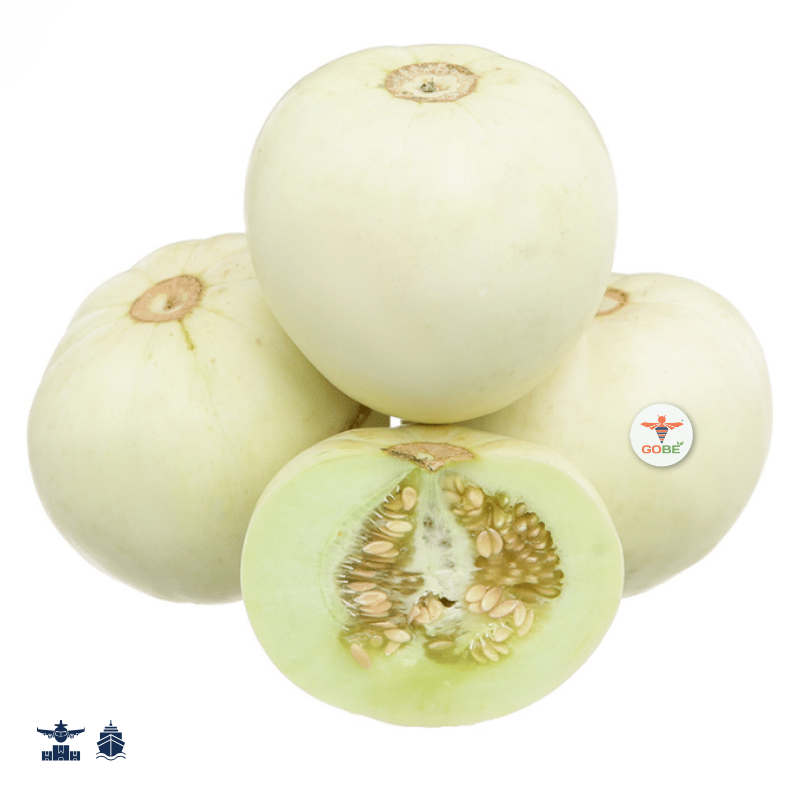
Honey Melon (Honeydew) delivers at least six proven health benefits: superior hydration, digestive regularity, cardiovascular protection, blood pressure regulation, immune reinforcement, and skin nourishment. Every benefit traces directly to its measurable nutritional composition, making it one of the most health-forward tropical fruits available in global fresh produce markets.
Honey Melon provides approximately 36 calories per 100g, natural sugar at 12 to 16% Brix, and significant quantities of Vitamin C, Potassium, Folate, and Vitamin B6. Its water content reaches roughly 90%, placing it among the most hydrating whole fruits consumed globally. These figures allow importers, nutritionists, retailers, and health-conscious consumers to make fully informed decisions about sourcing and daily incorporation.
Before examining benefits and nutrition data in detail, understanding what Honey Melon actually is clarifies every claim that follows. Honey Melon has a distinct botanical identity, a recognizable physical profile, and a flavor character that separates it from all other cucurbits. The sections below move through definition, health benefits, nutrition facts, and comparative analysis in a structured sequence.
Honey Melon is a cultivar of Cucumis melo var. inodorus in the Cucurbitaceae family, identified by its smooth pale-green to creamy-yellow rind, juicy white-green flesh, and mild sweet aroma. This section covers botanical identity, naming conventions, physical characteristics, and the ripening mechanism behind its signature sweetness.
The commercial name “Honeydew” dominates North American and European markets, while “Honey Melon” is the standard term in Asian and Middle Eastern fresh produce trade. Both names refer to the same botanical variety, a distinction critical for international buyers who encounter the fruit under either label depending on origin market.
Honey Melon is defined by six measurable physical attributes that distinguish it from all other commercial melon varieties. Recognizing these attributes helps buyers, retailers, and quality control teams verify ripeness and grade consistency at point of receipt.
The key characteristics are:
High sucrose concentration in Honey Melon develops during the final vine-attached ripening stage, making harvest timing the single most critical factor in capturing peak Brix levels. Missing this window by even 24 to 48 hours reduces measurable sugar content and compromises shelf-life stability.
This is why Gobeimex, a GlobalGAP-certified exporter of Vietnamese fresh produce, processes Honey Melon within 12 hours of harvest at its packing house in Tien Giang, the heart of the Mekong Delta growing region. Proximity of the packing house to the farm eliminates the primary post-harvest sugar degradation window that affects fruit processed at distant facilities.
Honey Melon offers six major health benefit categories: hydration and electrolyte replenishment, digestive regularity, cardiovascular support, blood pressure regulation, immune strengthening, and skin and eye health promotion. Each benefit links directly to one or more of the fruit’s measurable nutritional components, covered in the H3 sections below.
The two most clinically significant benefit clusters are hydration combined with digestive health, and heart health combined with blood pressure control. These two clusters account for the majority of documented physiological responses associated with regular Honey Melon consumption.
Yes, Honey Melon is highly effective for both hydration and digestive health because its approximately 90% water content replenishes fluids and electrolytes efficiently, while its dietary fiber content supports bowel motility and gut microbiome balance. Both mechanisms operate simultaneously with every serving.
Hydration through whole fruit consumption differs from hydration through plain water in one important way. Eating Honey Melon delivers water alongside natural sugars, Potassium, Magnesium, and trace Sodium, forming a mild electrolyte matrix the body absorbs gradually. This makes Honey Melon a practical post-exercise or mid-day hydration source, particularly in hot climates where fluid loss is rapid.
The digestive health contributions of Honey Melon operate through two fiber mechanisms:
The high water content also softens stool and lubricates the intestinal lining, benefiting individuals prone to irregularity or recovering from digestive disturbances. For children, elderly individuals, and pregnant women, Honey Melon provides a gentle way to increase fluid and fiber intake simultaneously without the heaviness of legumes or whole grains.
According to the United States Department of Agriculture (USDA) National Nutrient Database, one cup of raw Honeydew melon (approximately 177g) provides around 1.4g of dietary fiber, contributing nearly 5% of the recommended daily intake for adults. This figure becomes significant when Honey Melon is consumed consistently as part of a fiber-diverse diet.
Yes, Honey Melon supports heart health and blood pressure control primarily because its Potassium content counteracts the vasoconstrictive effects of sodium, and its Folate content reduces plasma homocysteine levels linked to arterial damage. These two mechanisms act through distinct but complementary cardiovascular pathways.
Potassium relaxes blood vessel walls, reduces peripheral resistance, and enables the heart to pump with less mechanical effort. Regular consumption of Potassium-rich foods such as Honey Melon associates with reduced systolic and diastolic blood pressure, particularly in individuals whose diets are already high in processed sodium.
Key cardiovascular nutrients in Honey Melon and their specific roles:
According to a review published in the American Journal of Clinical Nutrition (2013), dietary patterns high in Potassium and low in Sodium associate with a statistically significant reduction in systolic blood pressure of 3.49 mmHg and diastolic blood pressure of 1.96 mmHg in adults with elevated baseline readings. Honey Melon’s nutrient composition aligns directly with this cardioprotective dietary pattern.
Honey Melon’s core nutrition facts per 100g include approximately 36 calories, 9.1g of total carbohydrates, 8.1g of natural sugars, 0.8g of dietary fiber, 0.5g of protein, 0.1g of fat, and 89.8g of water. These values come from USDA data for raw Honeydew melon and are consistent with export-grade Honey Melon produced under GlobalGAP-certified agricultural standards.
The table below presents a full nutritional breakdown per 100g serving and per one standard cup (177g), alongside the approximate percentage of Daily Value (%DV) based on a 2,000-calorie diet as defined by the U.S. Food and Drug Administration (FDA). Nutritionists, food labeling teams, and health-conscious consumers can use this table to assess precisely how Honey Melon fits into a daily nutritional framework.
| Nutrient | Per 100g | Per 1 Cup (177g) | % Daily Value (per cup) |
|---|---|---|---|
| Calories | 36 kcal | 64 kcal | 3% |
| Total Carbohydrates | 9.1g | 16.1g | 6% |
| Natural Sugar | 8.1g | 14.3g | N/A |
| Dietary Fiber | 0.8g | 1.4g | 5% |
| Protein | 0.5g | 0.9g | 2% |
| Total Fat | 0.1g | 0.2g | 0.3% |
| Water Content | 89.8g | 158.9g | N/A |
| Vitamin C | 18mg | 31.9mg | 35% |
| Potassium | 228mg | 403mg | 9% |
| Folate (B9) | 19mcg | 33.6mcg | 8% |
| Vitamin B6 | 0.1mg | 0.18mg | 11% |
| Magnesium | 10mg | 17.7mg | 4% |
Source: USDA FoodData Central, Honeydew melon, raw. Values rounded to one decimal place.
Honey Melon’s nutritional profile suits low-calorie dietary plans, pediatric nutrition programs, and hydration-focused wellness protocols. Its combination of low caloric density and high micronutrient delivery qualifies it as a nutrient-dense food, meaning it delivers a significant proportion of essential vitamins and minerals relative to its caloric contribution.
Honey Melon contains approximately 36 calories per 100g and 8.1g of natural sugar per 100g, with the commercial Brix range reaching 12 to 16% in fully ripened export-grade fruit. The Brix figure reflects sucrose concentration in fresh juice, not added sugar, a distinction that carries significant nutritional weight.
All sugar present in whole Honey Melon is intrinsic, existing within the intact cellular matrix alongside water, fiber, vitamins, and minerals. The body digests intrinsic fruit sugars more slowly than refined sucrose because fiber moderates the rate of glucose absorption into the bloodstream.
The Glycemic Index (GI) of Honeydew melon is estimated at approximately 65, placing it in the medium GI category. The Glycemic Load (GL) per standard one-cup serving (177g) is only approximately 9, which falls in the low range and makes it generally acceptable for individuals managing blood sugar levels in moderate portions. GL is the more practical clinical measure than GI alone because it accounts for actual carbohydrate quantity per serving rather than theoretical digestion speed at a fixed dose.
For individuals with Type 2 Diabetes or pre-diabetes, registered dietitians typically recommend limiting serving size to one cup and pairing Honey Melon with a protein or healthy fat source to blunt the glycemic response further. Its low caloric density (36 kcal per 100g) also supports inclusion in weight management plans where caloric restriction is a primary objective.
Honey Melon provides four primary micronutrients of nutritional significance: Vitamin C, Vitamin B6, Folate, and Potassium, alongside supporting contributions from Magnesium, Copper, and Zinc. Each micronutrient performs distinct physiological functions that collectively account for the health benefits attributed to regular Honey Melon consumption.
The individual roles of each key micronutrient are as follows:
Vitamin C (approximately 18mg per 100g, 35% DV per cup): Vitamin C is the most abundant antioxidant vitamin in Honey Melon. It neutralizes reactive oxygen species that damage cellular DNA and lipid membranes, stimulates white blood cell production for immune defense, and is an irreplaceable cofactor in collagen biosynthesis. Collagen maintains the structural integrity of skin, blood vessels, gums, cartilage, and bone.
Vitamin B6 (approximately 0.1mg per 100g, 11% DV per cup): Vitamin B6 participates in more than 100 enzymatic reactions in the human body, the majority involving amino acid metabolism. It is essential for synthesizing neurotransmitters including serotonin, dopamine, and gamma-aminobutyric acid (GABA), making it important for mood regulation, sleep quality, and cognitive function.
Folate or Vitamin B9 (approximately 19mcg per 100g, 8% DV per cup): Folate is critical for DNA synthesis and repair, red blood cell formation, and prevention of neural tube defects during early fetal development. This makes Honey Melon a naturally appropriate fruit for women who are pregnant or planning pregnancy.
Potassium (approximately 228mg per 100g, 9% DV per cup): Potassium is the primary electrolyte regulating fluid balance, nerve signal transmission, and blood pressure. Most adults in industrialized countries consume less than the recommended 2,600 to 3,400mg of Potassium daily. Honey Melon provides a palatable pathway to increase daily Potassium intake without relying on supplements.
Supporting minerals (Magnesium, Copper, Zinc): These trace minerals contribute to enzymatic activity, immune response, and antioxidant defense. Copper in particular is a cofactor for superoxide dismutase, one of the body’s primary endogenous antioxidant enzymes.
Honey Melon leads on Vitamin C content and low-calorie profile, Cantaloupe excels in beta-carotene and aromatic intensity, and Watermelon delivers the highest water content alongside Lycopene. Choosing the right melon depends on the specific nutritional need or dietary goal the consumer is targeting.
The table below outlines key differentiators across all three major commercial melon types per 100g of raw fruit. Buyers, dietitians, and product developers can use this comparison to position each variety accurately within specific health claims or dietary programs.
| Metric | Honey Melon (Honeydew) | Cantaloupe | Watermelon |
|---|---|---|---|
| Calories (kcal) | 36 | 34 | 30 |
| Natural Sugar (g) | 8.1 | 7.9 | 6.2 |
| Vitamin C (mg) | 18 | 36.7 | 8.1 |
| Vitamin A (mcg RAE) | 2 | 169 | 28 |
| Potassium (mg) | 228 | 267 | 112 |
| Lycopene (mcg) | 0 | 0 | 4,532 |
| Water Content (%) | 89.8 | 90.2 | 91.5 |
| Glycemic Index | ~65 | ~65 | ~72 |
| Flesh Color | White-Green | Deep Orange | Red-Pink |
Source: USDA FoodData Central
Practical guidance on which melon suits each consumer profile:
Yes, specific consumer groups benefit from moderating Honey Melon intake, particularly individuals on potassium-restricted diets, those managing fructose intolerance, and anyone monitoring total carbohydrate intake without accounting for glycemic load. These limitations are narrow and do not apply to the general healthy population.
Yes, individuals with chronic kidney disease (CKD) on clinician-prescribed potassium restriction should limit Honey Melon intake because its 228mg of Potassium per 100g can cumulatively exceed prescribed daily limits across a full serving. Kidneys with reduced filtration capacity cannot excrete excess Potassium efficiently, which elevates the risk of hyperkalemia, a potentially life-threatening cardiac condition. Patients under renal dietary management should consult their nephrologist or registered dietitian before including Honey Melon in their meal plan. According to the National Kidney Foundation (2020), fruit portion sizes for CKD patients on Potassium restriction are typically limited to half-cup servings of lower-Potassium fruits.
No, Honey Melon’s sugar content does not pose a clinically significant risk for most diabetic consumers when portion size is controlled, because its Glycemic Load per standard serving (approximately 9) falls in the low range. The concern most commonly raised about Honey Melon and blood sugar is based on its medium Glycemic Index (~65) without accounting for serving size or the moderating effect of its fiber content. In practice, consuming one cup of Honey Melon alongside a protein source reduces the postprandial glucose response to within acceptable ranges for most Type 2 Diabetes management protocols. According to Diabetes Care (American Diabetes Association, 2022), whole fruit consumption, including melon varieties, does not independently increase Type 2 Diabetes risk and may associate with modest protective effects when replacing refined carbohydrate sources.
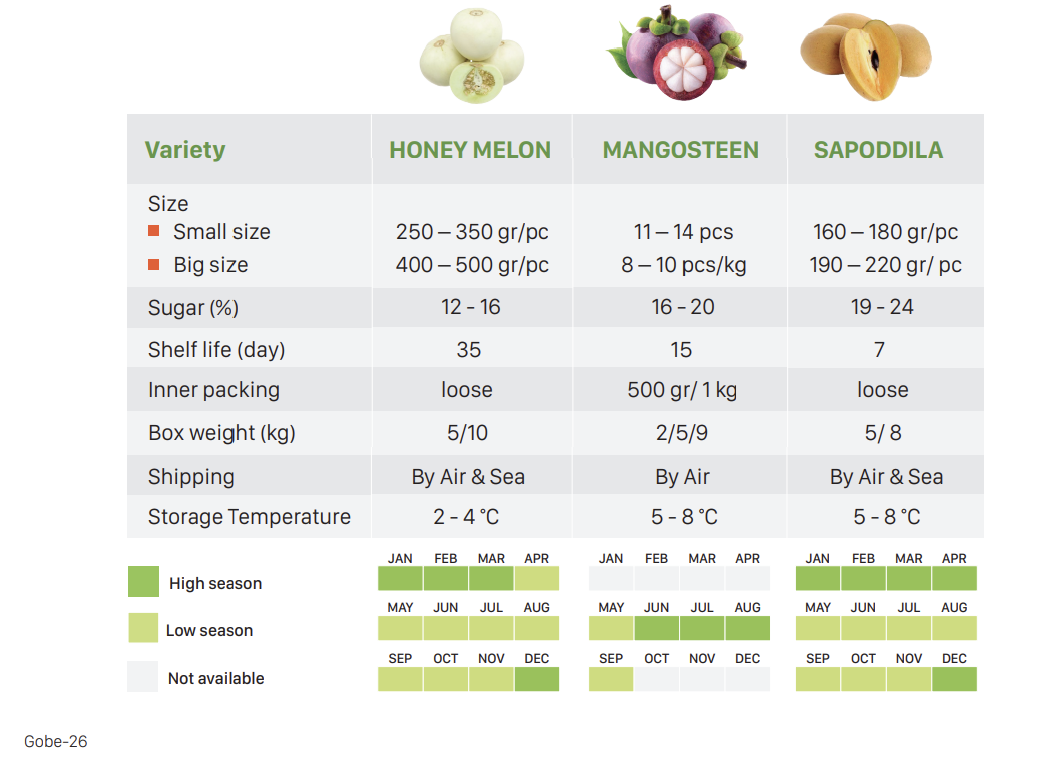
Fresh Honey Melon from Vietnam is available year-round, with High season concentrated in January, February, and December, and Low season covering March through November, based on Gobeimex’s documented seasonal availability data.
Vietnam’s Mekong Delta is one of the most productive Honey Melon growing regions in Southeast Asia, benefiting from warm temperatures, high solar radiation, and fertile alluvial soil. Gobeimex, a GlobalGAP, ISO, and FDA-certified exporter based in Ho Chi Minh City, supplies export-grade Honey Melon 52 weeks per year to markets including Canada, the UAE, the UK, Germany, the Netherlands, Japan, and Kuwait. The company’s cold-chain infrastructure, including refrigerated container trailers and a packing house in Tien Giang Province, ensures that fruit harvested during Low season retains the same quality standards as peak-season product.
Fresh Honey Melon should be stored at 2 to 4 degrees Celsius, and at this temperature it maintains optimal freshness for up to 35 days, as specified in Gobeimex’s product technical data.
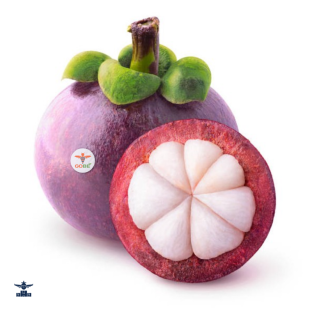
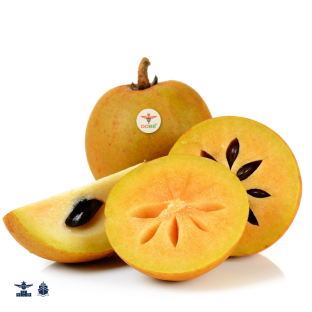
This 35-day shelf life is longer than Sapodilla (7 days) and Mangosteen (15 days), making Honey Melon one of the most logistically favorable tropical fruits for international export. Whole, uncut Honey Melon stored at room temperature above 10 degrees Celsius deteriorates rapidly as enzyme activity accelerates. Once cut, Honey Melon should be wrapped tightly and consumed within 3 to 5 days. Consumers purchasing imported Honey Melon should source from suppliers who maintain an unbroken cold chain from farm to port, such as GlobalGAP-certified exporters like Gobeimex, to ensure maximum nutrient retention at the point of consumption.
Gobeimex is a leading Vietnamese exporter of premium fresh Honey Melon and tropical fruits, certified under GlobalGAP, GRASP, ISO, FDA, and Sedex. With 230+ hectares of growing areas, year-round supply capacity, and an unbroken cold-chain logistics network, Gobeimex serves importers, supermarkets, and distributors across Canada, the UAE, Europe, Japan, and beyond. For sourcing inquiries, contact Gobeimex at Info@gobeimex.com or visit gobeimex.com.