Subtotal $0.00

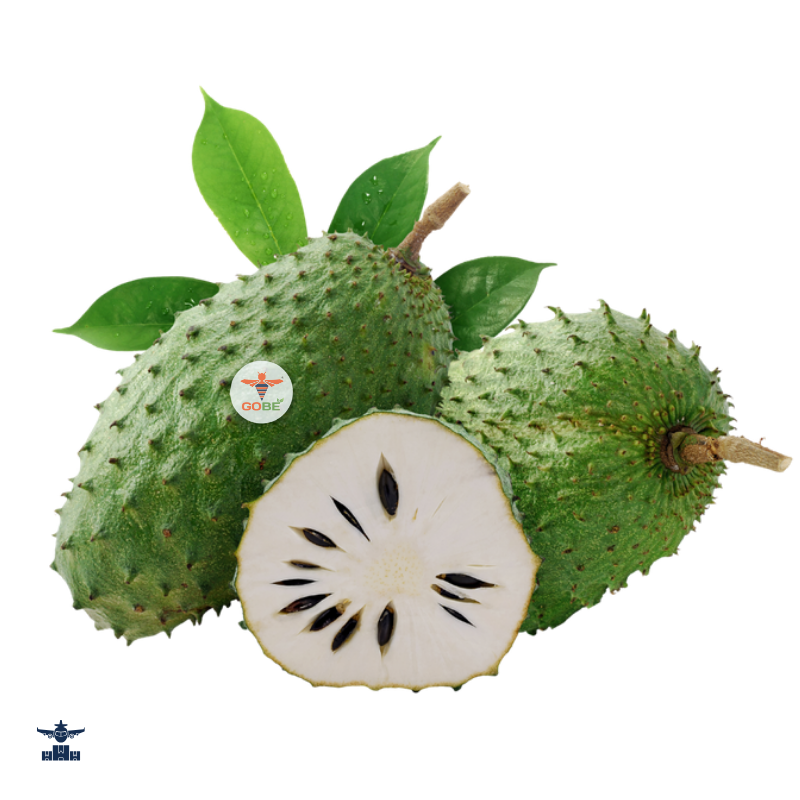
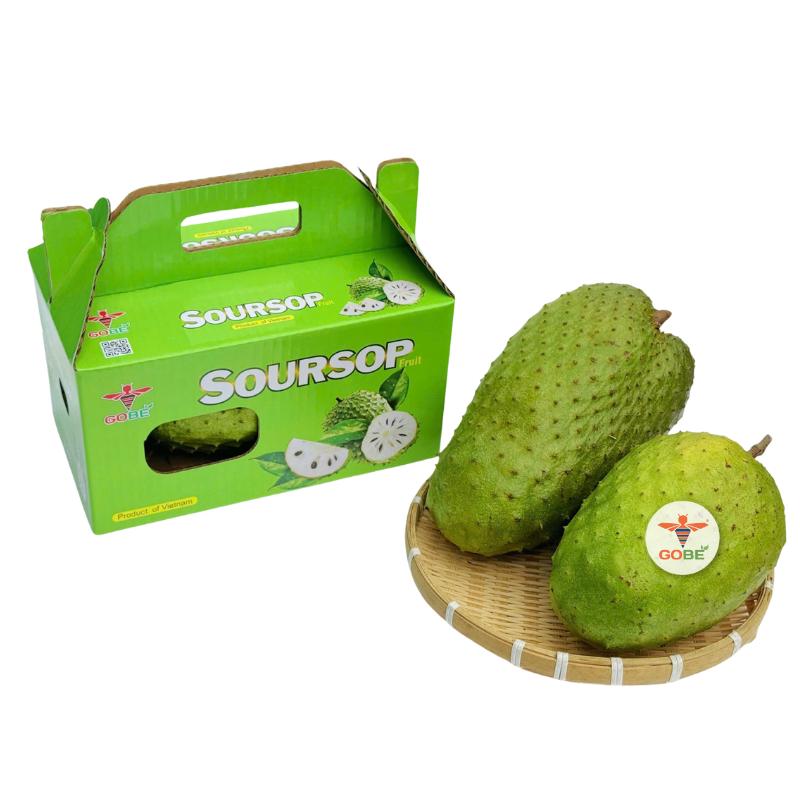
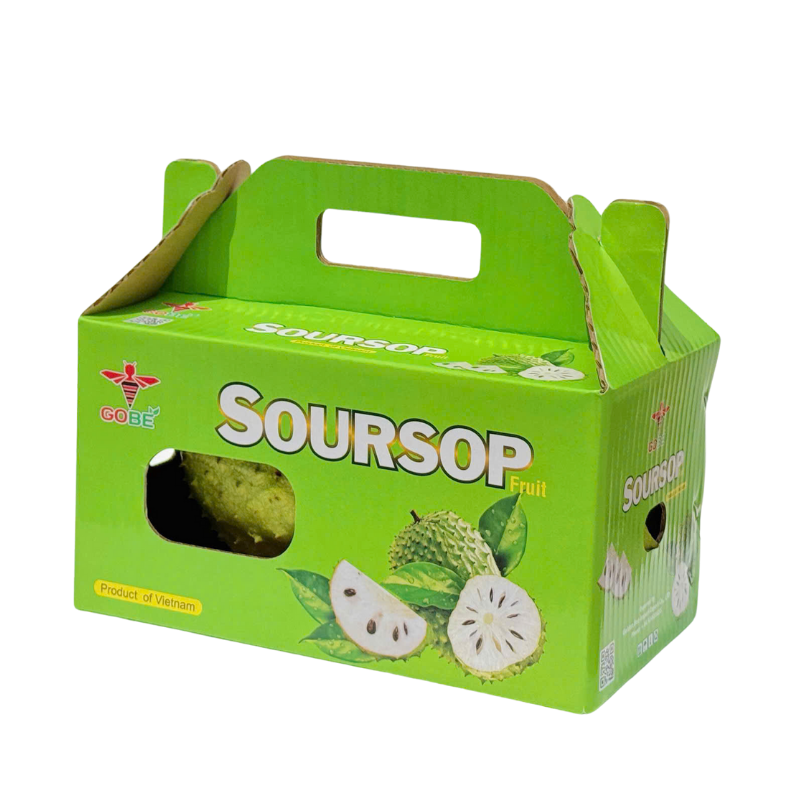
Soursop (graviola) suppliers for importers are companies that pack, process, and export fresh or frozen soursop at wholesale volumes, holding certifications such as GlobalGAP, FDA, and ISO to meet international compliance requirements. The most reliable sourcing origins include Vietnam, Brazil, Mexico, Thailand, and Colombia, each offering distinct seasonal windows, logistics advantages, and cost structures. Among these, Vietnam supplies soursop 52 weeks per year with an unbroken cold chain from certified growing areas to the export port.
For importers evaluating fresh versus frozen soursop, the decision depends on intended use, logistics budget, and destination shelf requirements. Fresh chilled soursop carries a 7-day shelf life and requires air freight with strict cold chain management, making it suited to premium retail and direct distribution. Frozen IQF soursop supports sea freight via reefer container and serves food processing, smoothie, juice, and supplement buyers with significantly extended shelf life.
This guide covers the full wholesale sourcing journey: identifying top supplier origins, evaluating certifications, understanding product specifications, navigating logistics requirements, and collecting the documentation needed to complete an international soursop import. Whether you source for a supermarket chain, a food processing company, or a specialty health market, the sections below provide a practical framework to source soursop with confidence.
Soursop, also known as graviola, is a tropical fruit with creamy white pulp, a sweet-acidic flavor, a Brix of 18 to 24 percent, and a fresh fruit weight of 0.8 to 2.0 kg per piece, making it one of the most commercially versatile tropical fruits available for wholesale import today. This section explains the market forces behind rising importer demand and the product characteristics that shape wholesale procurement decisions.
Two parallel trends are driving growth: rising consumer interest in exotic tropical fruit and accelerating demand from the nutraceutical and functional food industry for graviola-derived ingredients.
Importers are scaling up soursop procurement because consumer demand for tropical and functional fruits is accelerating across multiple high-value markets simultaneously. In North America, soursop holds a premium position in Caribbean, Latin American, and Southeast Asian ethnic grocery channels, as well as in health food retail. In the European Union, specialty importers and organic distributors seek GlobalGAP-certified supply. In the Middle East, soursop is valued in juice and fresh-cut segments, while in Japan and Southeast Asia, the fruit is increasingly integrated into premium beverage and wellness products.
Beyond fresh fruit, demand for frozen soursop pulp and IQF segments has expanded sharply as food processors in Europe and North America require stable, year-round supply for smoothie, sorbet, juice, and supplement manufacturing. This dual demand structure (fresh retail and frozen industrial) creates sourcing complexity that importers must navigate carefully when selecting suppliers.
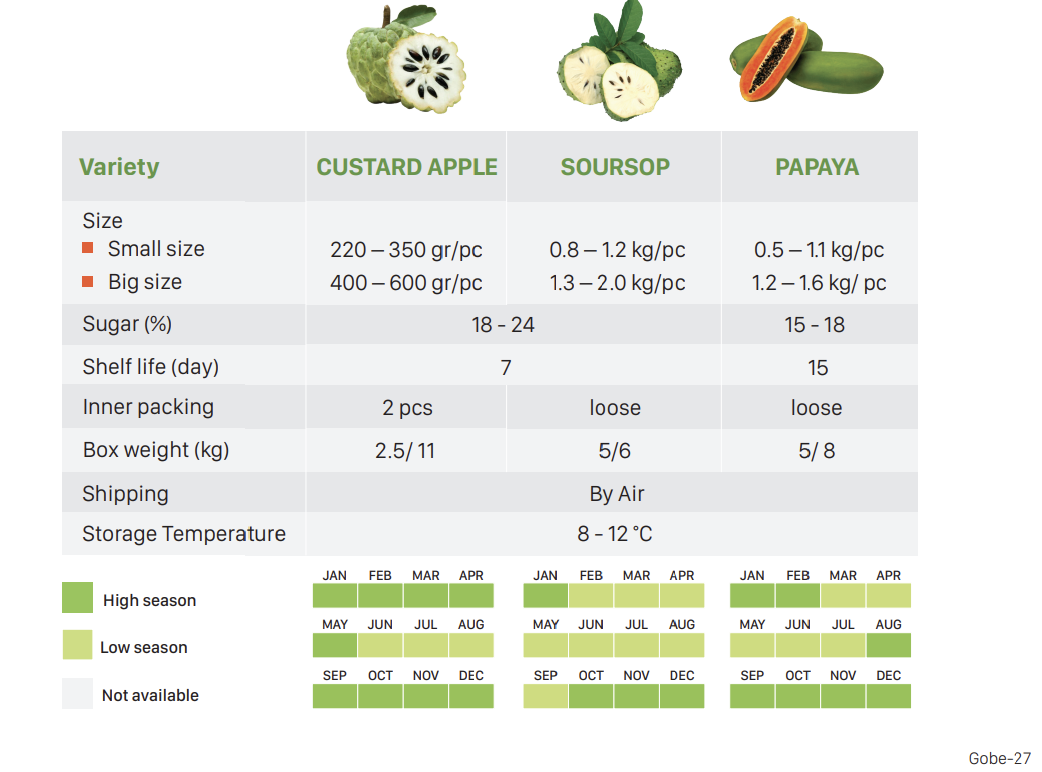
Soursop for wholesale import has specific physical and chemical characteristics that directly affect logistics, shelf life management, and market positioning. The table below summarizes core product specifications for fresh soursop wholesale orders, and is essential reading for any importer calculating landed cost and shelf life viability before placing an order.
| Specification | Small Size | Large Size |
|---|---|---|
| Weight per piece | 0.8 to 1.2 kg | 1.3 to 2.0 kg |
| Brix (sugar content) | 18 to 24% | 18 to 24% |
| Shelf life (fresh) | 7 days | 7 days |
| Storage temperature | 8 to 12°C | 8 to 12°C |
| Inner packing | Loose | Loose |
| Box weight | 5 to 6 kg/box | 5 to 6 kg/box |
| Shipping method | By air | By air |
The 7-day shelf life under fresh conditions is the most critical logistical constraint importers must plan around, because it mandates air freight and precise cold chain execution from farm to final destination. Importers who do not account for this constraint at the procurement planning stage routinely face product loss and margin erosion on arrival.
The top soursop-supplying countries for international importers are Vietnam, Brazil, Mexico, Thailand, and Colombia, each offering distinct advantages in seasonal windows, export certifications, FOB pricing, and logistics infrastructure. Understanding these differences by origin helps importers make strategic sourcing decisions based on target market, required certifications, and volume needs.
The following sections compare the leading soursop export origins and identify the key factors importers should weigh when selecting a sourcing country.
Yes, Vietnam is a highly reliable source of wholesale soursop, supported by 52-week supply capacity, internationally recognized certifications including GlobalGAP, FDA, ISO, GRASP, and Sedex, and packing infrastructure that moves produce from farm to packhouse within 12 hours of harvest. Vietnam’s soursop-growing regions in the Mekong Delta benefit from a tropical climate that supports high-season peaks in January and October through December, with frozen supply integration bridging low-season gaps.
Vietnam’s competitive advantages as a soursop sourcing origin rest on four operational pillars. First, GlobalGAP-certified growing areas cover more than 200 hectares of partner farms plus company-owned land, providing a consistent and auditable supply base. Second, packing houses in Tien Giang Province process fresh soursop within 12 hours of harvest, locking in peak Brix levels and minimizing pre-shipment deterioration. Third, an unbroken cold chain using refrigerated container trailers links growing areas to the export port, maintaining storage temperatures between 8 and 12 degrees Celsius throughout transit. Fourth, Vietnam’s export compliance infrastructure, including FDA registration and phytosanitary certification, is well-established for the United States, EU member states, Japan, the UAE, and Canada. For importers requiring year-round soursop supply with full traceability and multi-market compliance documentation, Vietnam ranks as one of the most operationally capable sourcing origins currently available.
Soursop from Vietnam follows a defined seasonal calendar, with high-production peaks in January and October through December, and lower-volume months spanning February through September. The table below maps monthly availability so importers can plan procurement cycles and manage inventory continuity across the full year.
| Month | Soursop Availability |
|---|---|
| January | High season |
| February | Low season |
| March | Low season |
| April | Low season |
| May | Low season |
| June | Low season |
| July | Low season |
| August | Low season |
| September | Low season |
| October | High season |
| November | High season |
| December | High season |
Fresh soursop is most abundant and competitively priced during the four high-season months, while supply tightens and FOB prices rise from February through September. Importers who rely exclusively on fresh soursop face procurement gaps and price volatility during the low season. The recommended strategy for continuous supply is to combine fresh chilled soursop orders during peak months with frozen IQF soursop sourcing during low-season periods, ensuring uninterrupted product availability for retail and processing customers throughout the year.
Wholesale soursop suppliers offer two primary product forms: fresh chilled soursop, which requires air freight and carries a 7-day shelf life, and frozen IQF soursop, which is suited to sea freight via reefer container and supports extended shelf life for industrial and retail frozen applications. The choice between these two forms determines the logistics model, cost structure, MOQ, and end-use application an importer should plan for.
The following two sections detail the specifications, packaging, and strategic advantages of each product form to guide sourcing decisions.
Fresh soursop wholesale orders are available in two size grades: small (0.8 to 1.2 kg per piece) and large (1.3 to 2.0 kg per piece), packed loose in cartons of 5 to 6 kg, shipped exclusively by air freight at a storage temperature of 8 to 12 degrees Celsius, with a 7-day shelf life from the packaging date. These specifications define the procurement window an importer has from departure at the origin airport to delivery to the end consumer.
Fresh chilled soursop suits three commercial contexts:
The 5 to 6 kg carton is the standard wholesale unit for air freight soursop, and importers should factor air cargo cost per kilogram as a major component of the landed cost calculation. Suppliers with packing houses close to the growing area, such as the Tien Giang facility in Vietnam, which processes within 12 hours of harvest, effectively extend the usable shelf life for the importer by minimizing pre-flight deterioration.
Frozen IQF soursop offers importers extended shelf life (typically 12 to 24 months at minus 18 degrees Celsius), sea freight eligibility via reefer container, lower per-kilogram logistics cost compared to air freight, and broad application across food processing, smoothie production, juice manufacturing, and frozen retail segments. These advantages make frozen soursop the preferred sourcing format for industrial buyers, food manufacturers, and large-volume distributors.
The strategic logic of sourcing frozen IQF soursop versus fresh chilled breaks down across three key dimensions:
Importers targeting F&B manufacturing, foodservice distribution, and frozen retail categories should prioritize frozen soursop as the primary supply format, supplemented by fresh orders for premium retail channels.
Importers should evaluate soursop suppliers across six core criteria: international certifications held (GlobalGAP, FDA, ISO, GRASP, Sedex), production capacity and growing area scale, cold chain infrastructure from farm to port, traceability and documentation capability, export track record across target markets, and flexibility in MOQ and packaging configuration. A supplier meeting all six criteria provides the foundation for a sustainable, low-risk wholesale sourcing relationship.
The following two sections address the two most operationally critical evaluation areas: certifications and quality verification.
A reputable soursop supplier should hold, at minimum, GlobalGAP certification for agricultural practices and FDA registration for US market access, with ISO certification for process management and Sedex membership for ethical supply chain compliance, because each certification addresses a distinct compliance requirement for different destination markets. The certification portfolio a supplier holds directly determines which export markets they can legally and commercially serve.
Here is how each certification maps to specific market requirements:
Importers sourcing for the Middle East should additionally confirm Halal certification where processing steps are involved, while importers supplying Japan must verify that the supplier’s Maximum Residue Level (MRL) management meets Japan’s strict pesticide standards.
Importers can verify quality and traceability by requesting a Certificate of Analysis (CoA), phytosanitary certificate, certificate of origin, cold chain temperature log, and packing list before or at the point of shipment, and by conducting a farm or packing house audit through an accredited third-party inspection company. These documents and processes form the minimum verification framework for any responsible wholesale import operation.
The verification process should proceed in the following sequence:
Suppliers who are transparent, proactive in sharing documentation, and willing to support on-site audits are significantly more reliable sourcing partners than those who resist verification requests.
Importers place a wholesale soursop order through a six-step process: initial supplier contact and product specification confirmation, commercial sample request, price negotiation and Incoterm agreement (FOB, CIF, or CFR), contract finalization with packaging and labeling specifications, freight arrangement (air for fresh, reefer container for frozen), and document collection for customs clearance at the destination port. Each stage carries specific logistics and compliance requirements that determine whether the shipment arrives on time, in specification, and cleared for distribution.
Logistics requirements differ significantly between fresh and frozen soursop:
Standard export documentation required for both product forms includes the commercial invoice, packing list, certificate of origin, phytosanitary certificate, and, for US-bound shipments, FDA prior notice. Importers targeting EU markets must additionally provide a Common Entry Document (CED) for plant products and ensure all residue levels comply with EU MRL regulations. Incoterm selection should be negotiated based on the importer’s preference for logistics control: FOB places freight responsibility on the importer from the origin port, while CIF includes the supplier’s freight and insurance to the destination port, reducing administrative burden but reducing cost transparency.
Soursop outperforms most tropical fruits in health and specialty market positioning because of its strong nutraceutical association, distinctive flavor profile, and premium price point, while mass-market fruits such as papaya and mango dominate in volume and retail visibility but offer lower per-unit margins for specialty importers. This positioning difference has strategic implications for importers deciding where to allocate sourcing budget and retail shelf space.
Soursop occupies a niche at the intersection of fresh tropical fruit and functional health ingredient, a dual-category position that no other commonly imported tropical fruit holds as consistently.
Yes, there is a growing and commercially distinct market for soursop leaves and graviola extract among wholesale buyers in the herbal supplement, traditional medicine, and nutraceutical sectors, particularly in the United States, Latin America, Southeast Asia, and West Africa. Importers should note that regulatory requirements for soursop leaf imports differ from fresh fruit and require specific phytosanitary documentation and, in some markets, additional botanical import permits.
Demand for soursop leaf is concentrated in markets where graviola has a documented history of use in traditional medicine. Buyers in this segment include herbal supplement manufacturers, tea blenders, and naturopathic product companies. Importers exploring this niche should verify that leaf supply is available from their chosen fresh fruit supplier, because not all fruit exporters have the processing and drying infrastructure for leaf supply, and should confirm destination market import regulations before committing to a procurement plan.
A direct farm exporter provides higher traceability, more consistent quality, better FOB pricing, and full visibility into certification and growing practice compliance, while a trading company offers broader product variety across multiple origins but with reduced quality control transparency and less reliable traceability. Importers with high-volume, single-origin requirements and strict certification mandates benefit most from working directly with farm exporters.
Gobeimex (Golden Bee Vietnam) is a concrete example of the direct farm exporter model:
For importers prioritizing audit readiness, market compliance, and long-term supply reliability, sourcing directly from a certified farm exporter like Gobeimex eliminates the quality and documentation risks that intermediary trading companies introduce. To explore wholesale soursop sourcing from Vietnam, contact Gobeimex at Info@gobeimex.com or visit gobeimex.com.