Subtotal $0.00

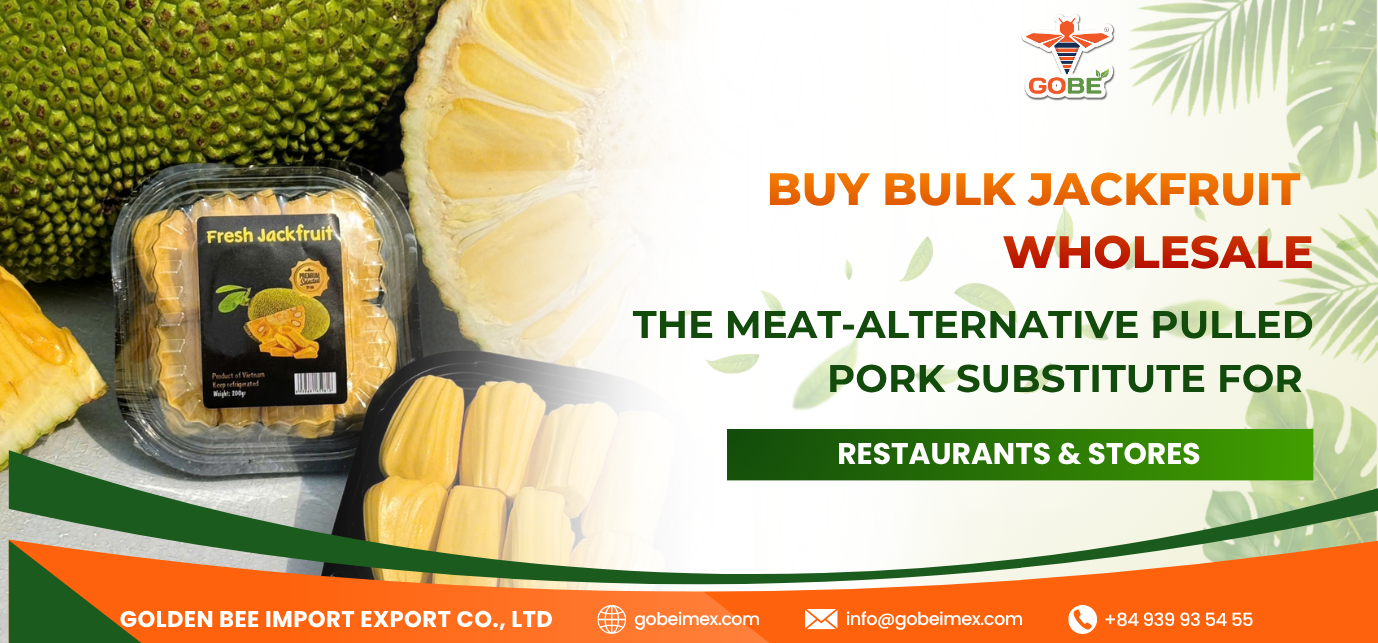
Bulk wholesale jackfruit is one of the fastest-growing procurement categories for international retailers, food service operators, and distributors seeking premium tropical produce at scale. Whether you are sourcing fresh jackfruit for ethnic grocery chains, frozen jackfruit for restaurant supply, dried jackfruit for snack manufacturing, or certified organic jackfruit for health food retail, understanding how bulk purchasing works is essential to building a reliable supply relationship.
The four primary forms of wholesale jackfruit available for bulk purchase are fresh, frozen, dried, and organic, each serving a distinct segment of the retail and food service supply chain. Fresh jackfruit delivers the strongest visual appeal and natural flavor profile for shelf display, while frozen and dried formats offer extended shelf life and significantly lower storage complexity for industrial buyers. Organic jackfruit commands a premium price point and serves the fastest-growing health-conscious consumer segment across North America, Europe, and the Middle East.
Choosing the right wholesale jackfruit supplier requires evaluating food safety certifications, cold chain infrastructure, year-round supply capacity, and direct farm traceability. Suppliers who hold internationally recognized credentials including GlobalGAP, GRASP, ISO, FDA, and Sedex provide the compliance assurance that bulk buyers need to clear customs in regulated import markets. Below is a complete guide covering every dimension of buying bulk jackfruit wholesale, from product selection to supplier qualification and B2B ordering.
📰 Related posts:
Bulk wholesale jackfruit refers to large-volume B2B procurement of jackfruit directly from exporters or packers, bypassing retail-level quantities to access preferential pricing, consistent supply, and customized packaging specifications. Unlike retail purchases made in single units or small cartons, wholesale buyers typically order by the pallet, refrigerated container, or full truck load, engaging in formal commercial agreements that include minimum order quantities, phytosanitary documentation, and cold chain delivery terms.
To better understand why bulk jackfruit demand is accelerating globally, it helps to examine both the nutritional value of the fruit and the market forces driving procurement at scale across North America, Europe, and the Middle East.
Jackfruit is a high-demand wholesale product because of its exceptional versatility across multiple product formats, its alignment with plant-based and tropical food trends, and its dual utility as both a sweet ripe fruit and a savory unripe ingredient. No other tropical fruit can be sold as a fresh dessert fruit, a frozen cooking ingredient, a dried snack, and a meat alternative simultaneously, making jackfruit uniquely positioned to serve multiple buyer segments within a single supply relationship.
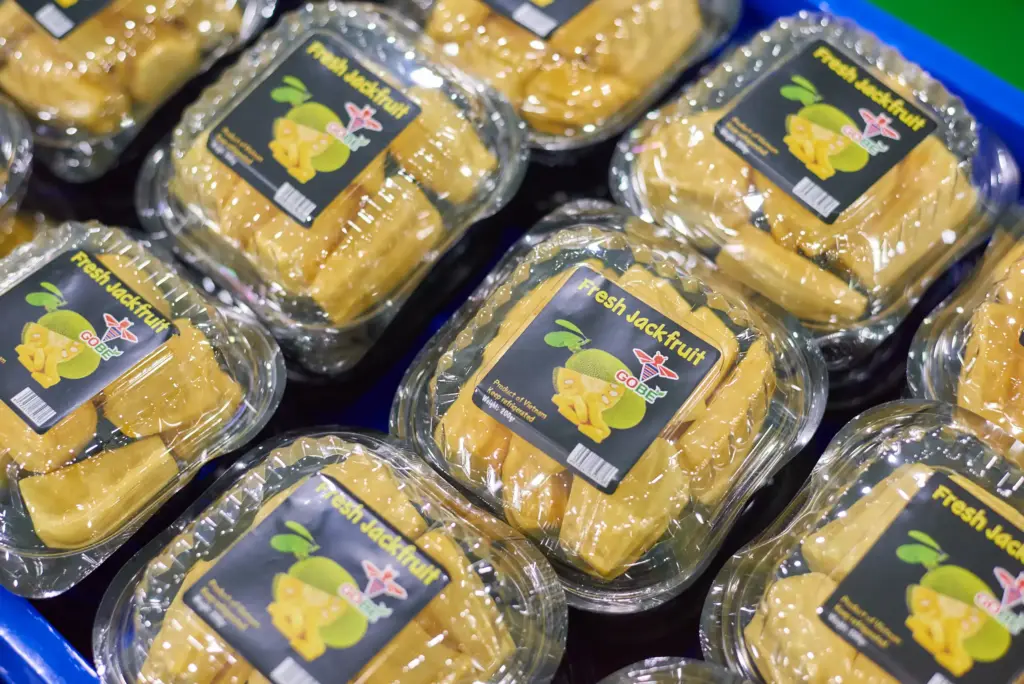
Specifically, jackfruit’s commercial flexibility explains why major importers are rapidly expanding their jackfruit SKUs. The global jackfruit market was valued at approximately USD 1.5 billion in 2023 and is projected to grow at a compound annual growth rate exceeding 6% through 2030, driven primarily by rising demand for plant-based protein alternatives and tropical fruit consumption in Western markets, according to market research published by Allied Market Research. For supermarkets and distributors, this trajectory makes jackfruit one of the more commercially attractive additions to a fresh and frozen tropical produce portfolio. Key drivers include:
Typical bulk jackfruit wholesale orders start at a minimum of 500 kilograms for dried formats, 1,000 kilograms for frozen jackfruit, and one full pallet or approximately 500 to 800 kilograms for fresh jackfruit, with container-level orders (18 to 24 metric tons for fresh, up to 26 metric tons for frozen) representing the standard volume for established importers. These minimums reflect the practical economics of refrigerated sea freight, phytosanitary inspection at origin, and export documentation processing costs.
More precisely, MOQ structures in the fresh produce export industry vary by product form and destination market. The table below summarizes typical bulk order parameters across the three main jackfruit formats:
This table compares wholesale jackfruit formats across minimum order quantity, shelf life, storage requirement, and primary buyer type to help procurement managers match product form to their operational needs.
| Product Form | Typical MOQ | Shelf Life | Storage Requirement | Primary Buyer Type |
|---|---|---|---|---|
| Fresh Whole Jackfruit | 500 kg to 1 full pallet | 2 to 4 weeks | Cold chain, 13–15°C | Asian supermarkets, ethnic grocery |
| Fresh Cut / Portion Packed | 200 kg | 7 to 14 days | Refrigerated, 4–8°C | Grocery chains, food service |
| Frozen Jackfruit (IQF) | 1,000 kg (1 MT) | 12 to 24 months | Frozen, minus 18°C | Restaurants, meal kit, manufacturers |
| Dried Jackfruit | 500 kg | 12 to 18 months | Ambient, sealed packaging | Snack brands, health retailers |
| Organic Jackfruit (any form) | Negotiable, typically 500 kg+ | Varies by form | Varies by form | Health food chains, premium retail |
Payment terms for B2B jackfruit wholesale orders typically follow Letter of Credit (L/C) or Telegraphic Transfer (T/T) structures, with 30% deposit at contract signing and 70% upon bill of lading presentation. Established suppliers may offer open account terms for repeat buyers with a verified trading history.
There are four main types of bulk jackfruit available for wholesale purchase: fresh jackfruit, frozen jackfruit, dried jackfruit, and certified organic jackfruit, each differentiated by processing method, shelf life, storage requirement, and suitability for specific retail or food service applications. Understanding which form aligns with your supply chain infrastructure and customer base is the first decision point in any bulk jackfruit procurement conversation.
To help buyers match product form to operational context, the sections below examine fresh and frozen-dried formats in detail, covering storage requirements, use cases, and the buyer profiles best suited to each.
Yes, fresh bulk jackfruit is the right choice for retailers and grocery chains that have established cold chain infrastructure, operate in or near markets with strong Asian or tropical fruit consumer demographics, and require high visual impact on shelf. Fresh jackfruit delivers attributes that no processed format can replicate: the natural aroma, intact flesh color, and whole-fruit presentation that drive impulse purchase decisions in ethnic grocery aisles and premium produce sections.
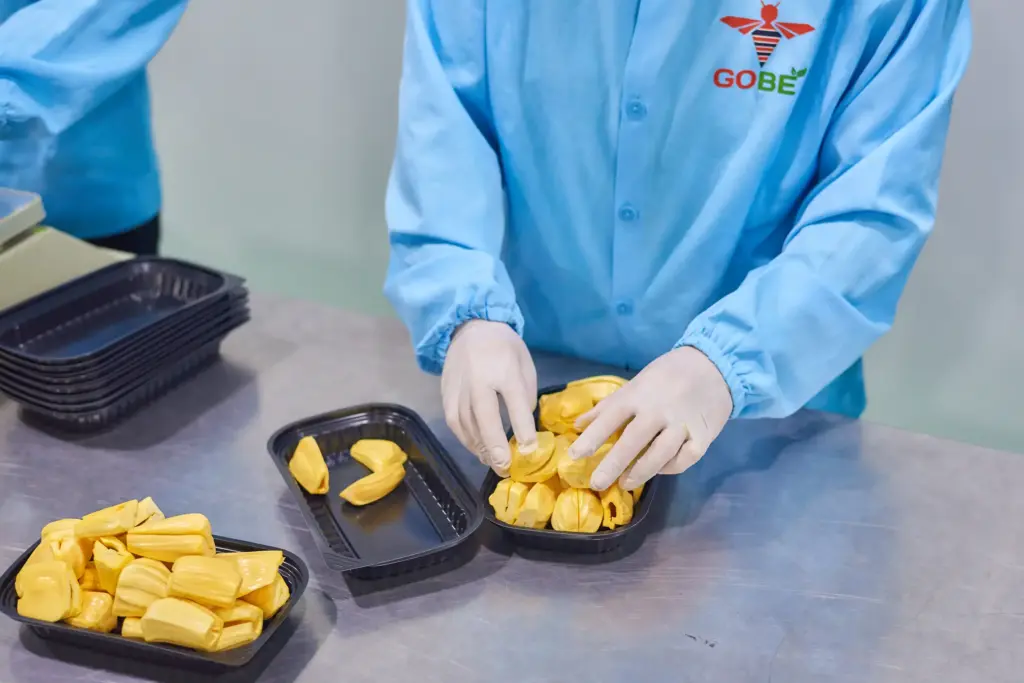
However, fresh jackfruit wholesale requires specific handling capabilities that not every retailer can support. Following this, buyers should evaluate whether their receiving, storage, and merchandising operations meet the requirements before committing to fresh volume. Key considerations include:
Fresh bulk jackfruit is best suited for retailers who import regularly, have refrigerated receiving docks, and serve communities where jackfruit is a familiar purchase. For buyers in markets where jackfruit is a novelty item or where cold chain reliability between port and shelf is inconsistent, frozen formats offer a more practical alternative.
Frozen jackfruit is generally better for food service operators who need portion control, long inventory life, and culinary flexibility, while dried jackfruit is superior for snack manufacturers, ingredient suppliers, and distributors serving ambient-storage retail channels. Both formats eliminate the cold chain dependency of fresh jackfruit at the retail level, but they serve fundamentally different end applications.
More specifically, the distinction between frozen and dried jackfruit wholesale hinges on how each format performs in the kitchen or on the production line. Frozen IQF (Individually Quick Frozen) jackfruit maintains the fiber structure, moisture content, and flavor profile needed for cooked preparations including stews, curries, BBQ pulled jackfruit dishes, and meal kit components. Dried jackfruit, by contrast, concentrates sugars, reduces moisture to below 15%, and produces a chewy texture suited to trail mix, confectionery coating, and baking applications.
The table below compares frozen and dried jackfruit wholesale across the key decision criteria for food service and industrial buyers:
This table helps food service procurement managers and industrial ingredient buyers compare frozen versus dried jackfruit across storage cost, preparation requirements, flavor profile, and commercial application.
| Criteria | Frozen Jackfruit (IQF) | Dried Jackfruit |
|---|---|---|
| Shelf Life | 12 to 24 months at minus 18°C | 12 to 18 months at ambient |
| Storage Cost | Higher (frozen facilities required) | Lower (ambient warehouse) |
| Preparation Time | Thaw and cook; portion-ready | Ready to use; no prep needed |
| Flavor Profile | Fresh-adjacent, mild, versatile | Sweet, concentrated, chewy |
| Best Application | Curries, meal kits, restaurant supply | Snacks, trail mix, baking, confectionery |
| Typical Buyer | Restaurant chains, caterers, meal prep | Snack brands, health food retailers |
For food manufacturers developing plant-based product lines, unripe frozen jackfruit specifically represents the most commercially important format, due to its neutral flavor, meat-like fiber structure, and compatibility with industrial seasoning and marination processes.
A reliable wholesale jackfruit supplier should hold at minimum five internationally recognized certifications: GlobalGAP, GRASP, ISO, FDA registration, and Sedex membership, each addressing a distinct dimension of quality, safety, and ethical compliance that wholesale buyers in regulated import markets must verify before executing a commercial contract. These certifications are not optional value-adds; they are entry requirements for supplying to major supermarket chains, food service distributors, and government-regulated import markets across the EU, the United States, and the Gulf Cooperation Council.
To better understand what each certification protects against, the following breakdown explains the commercial significance of each standard from a wholesale buyer’s perspective:
Buyers sourcing jackfruit wholesale without verifying these certifications expose themselves to customs detention, product rejection, and potential brand liability. For example, a fresh jackfruit shipment arriving at a US port without FDA registration can be detained on arrival, with the entire container held pending inspection at the importer’s cost.
Yes, organic bulk jackfruit requires entirely separate certifications from conventional jackfruit, and the two cannot be mixed within the same certified supply chain without losing organic status. Organic jackfruit wholesale suppliers must hold specific organic certification recognized in the destination market, most commonly USDA Organic for the United States, EU Organic (EC No. 834/2007) for European markets, or equivalent national standards for other regulated markets.
Additionally, organic jackfruit production imposes a different set of farm-level requirements compared to conventional GlobalGAP-certified cultivation. These include a mandatory conversion period (typically two to three years) during which synthetic pesticides and fertilizers are prohibited, regular third-party soil and residue testing, strict segregation of organic and conventional produce throughout the supply chain, and documented traceability from seed sourcing through harvest and packing.
For wholesale buyers in the premium retail and health food distribution segment, organic jackfruit carries meaningful commercial advantages: higher margin per unit, alignment with health-conscious consumer positioning, eligibility for dedicated organic sections in major supermarket chains, and access to specialty food distributors who exclusively handle certified organic produce. The premium over conventional jackfruit wholesale pricing typically ranges from 20% to 40% depending on format and market.
Sourcing bulk jackfruit from a reliable wholesale supplier follows a structured B2B process that begins with supplier identification and inquiry, progresses through sample evaluation and commercial negotiation, and concludes with a formal purchase contract, phytosanitary documentation, and container booking. Buyers who approach this process systematically reduce the risk of supply disruption, quality inconsistency, and regulatory non-compliance significantly compared to those who source through intermediaries without direct farm access.
The three most effective channels for finding verified jackfruit wholesale suppliers are international trade fairs, B2B agricultural platforms, and direct exporter outreach. Trade exhibitions such as Fruit Logistica (Berlin) and Asia Fruit Logistica (Hong Kong) bring together vetted fresh produce exporters, allowing buyers to verify certifications in person, taste product samples, and initiate relationships with packing house representatives. GOBE IMEX (Golden Bee Vietnam), for example, has represented Vietnamese tropical fresh produce including jackfruit at both Fruit Logistica and Asia Fruit Logistica, connecting directly with international importers, distributors, and supermarket buyers from Europe, the Middle East, North America, and Asia.
Retailers and food service buyers should evaluate jackfruit wholesale suppliers across six core criteria: farm traceability, year-round supply availability, packing house proximity to growing regions, cold chain infrastructure, certification portfolio, and references from existing buyers in comparable markets. A supplier who excels across all six dimensions offers buyers the lowest procurement risk and the most defensible supply chain for regulated retail environments.
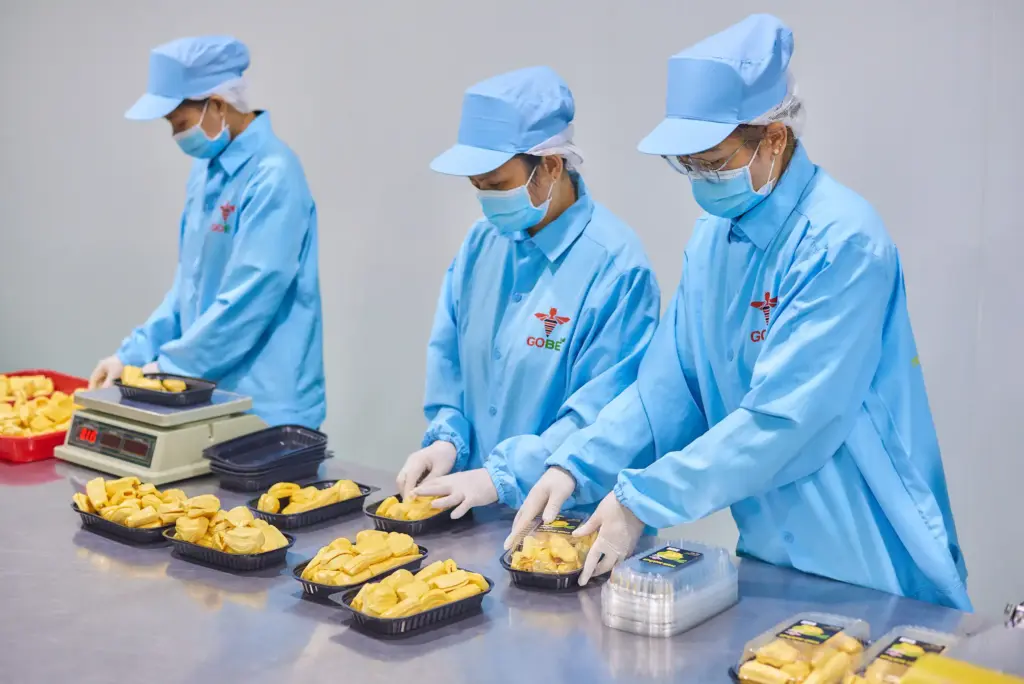
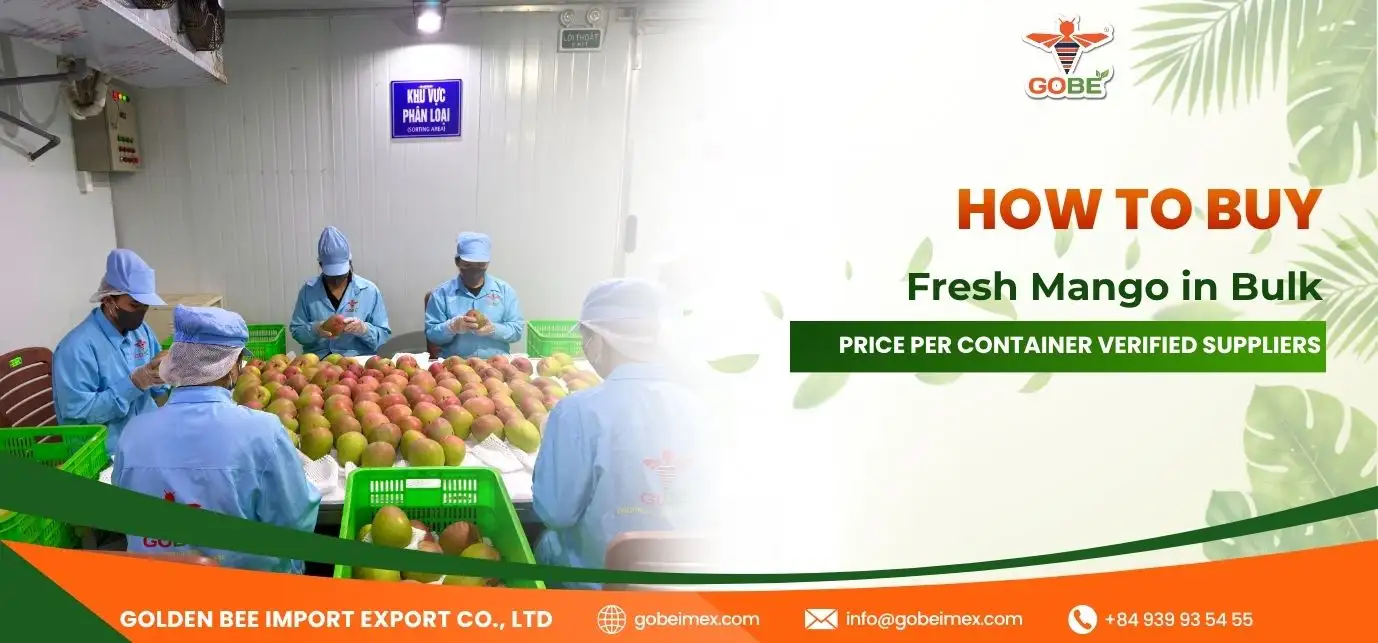
Specifically, packing house location relative to growing areas is one of the most underweighted criteria in supplier evaluation. A supplier whose packing facility is located within the fruit-growing region, rather than in a distant urban consolidation hub, can move harvest to pack within 12 hours. This compression of time between field and cold storage directly preserves flavor integrity, reduces bruising from extended transport, and extends the remaining shelf life available to the buyer upon receipt. GOBE IMEX’s main packing house in Tien Giang Province, located in the heart of Vietnam’s Mekong Delta fruit-growing belt, operates on exactly this principle, processing jackfruit and other tropical fruits within 12 hours of harvest to lock in peak freshness before cold chain transit begins.
Red flags to avoid when evaluating jackfruit wholesale sources include:
GOBE IMEX addresses these risks through direct ownership of more than 30 hectares of growing area, partnership management across 200+ GlobalGAP-certified hectares, a dual-facility supply network (Tien Giang packing house and Ho Chi Minh City consolidation hub), and a full certification portfolio covering GlobalGAP, GRASP, ISO, FDA, and Sedex. Year-round supply across 52 weeks is guaranteed through a combination of owned farms, partner grower agreements, and frozen inventory management.
Cold chain logistics directly determines the quality of bulk jackfruit at the point of delivery, with temperature excursions of even 3 to 5°C above target range during transit capable of accelerating ripening in fresh jackfruit and causing ice crystal formation damage in frozen product. A broken cold chain is the single most common cause of bulk fresh jackfruit quality disputes between exporters and importers, making verifiable temperature documentation an essential contractual requirement in any wholesale agreement.
For fresh jackfruit, the optimal cold chain window runs from pre-cooling at the packing house (beginning within hours of harvest) through reefer container loading at the port of origin, ocean transit in temperature-controlled containers (13 to 15°C for whole fresh jackfruit), and refrigerated receiving at the destination warehouse. Any gap in this chain, including delays at customs without refrigerated holding, can reduce remaining shelf life by 30 to 50% and cause premature softening and fermentation that makes product unsaleable.
For frozen IQF jackfruit, the critical requirement is maintenance at minus 18°C throughout transit without interruption. Partial thawing and refreezing causes cellular damage, texture degradation, and moisture loss that compromises the product for food service use. Buyers should require reefer container temperature logs covering the entire voyage as a standard delivery document alongside the bill of lading and phytosanitary certificate.
Suppliers with their own refrigerated transport fleet, covering the critical first mile from farm or packing house to the export port, offer a meaningfully lower cold chain break risk compared to those relying on third-party logistics providers for that segment. GOBE IMEX operates its own fleet of refrigerated container trailers for farm-to-port temperature control, maintaining product integrity from the moment of harvest through loading at the port of export.
Plant-based food service operators are sourcing bulk unripe jackfruit in increasing volumes because young green jackfruit’s fibrous flesh texture closely mimics pulled meat when cooked and seasoned, making it the most functionally credible whole-food meat substitute available from a tropical fruit crop. Unlike processed plant proteins (soy isolates, pea protein concentrate), unripe jackfruit is a minimally processed, single-ingredient product that appeals to clean-label consumer positioning in premium vegan and flexitarian restaurant concepts.
This micro-niche of wholesale jackfruit sourcing differs substantially from conventional retail jackfruit procurement in both product specification and supply chain requirements. The following sections address the two most commercially relevant questions for food service buyers and food manufacturers exploring bulk unripe jackfruit sourcing.
Ripe jackfruit and unripe jackfruit represent two entirely different wholesale products with distinct harvest timing, flavor profiles, packaging formats, and end applications. Ripe jackfruit is harvested at or near maturity, is sweet and aromatic, and is sold consumer-ready for direct eating or dessert preparation. Unripe (green) jackfruit is harvested young before sugar development, has a neutral flavor, and a dense, fibrous texture that absorbs marinades and seasonings effectively for savory cooking.
For food manufacturers and food service operators, unripe jackfruit must be specified explicitly at the order stage, as the harvest window, ripeness grade at packing, and processing format (IQF cubed, brine-packed, or canned in water) differ entirely from ripe fruit specifications. Ordering the wrong ripeness specification is one of the most common sourcing errors made by buyers new to jackfruit wholesale.
Yes, Vietnamese organic jackfruit suppliers with sufficient MOQ can provide custom private-label packaging for retail chains, including branded poly bags, retail cartons, and vacuum-sealed consumer packs bearing the buyer’s own label artwork, nutritional information, and country-of-origin declarations compliant with the destination market’s regulatory requirements. Private-label jackfruit wholesale is a growing service offering among Vietnam’s more established exporters, driven by demand from European and North American grocery chains seeking exclusive tropical produce SKUs.
Minimum order quantities for private-label jackfruit packaging typically start at one full container per label design to justify the artwork setup cost, regulatory label review, and packaging material sourcing. Buyers interested in private-label wholesale jackfruit from Vietnam should engage suppliers directly with label artwork files, destination market regulatory requirements (EU Food Information to Consumers Regulation, US FDA labeling standards, or Gulf Cooperation Council food labeling rules), and MOQ confirmation at the initial inquiry stage to ensure alignment before sample approval.
For international buyers ready to explore bulk jackfruit wholesale from Vietnam, GOBE IMEX (Golden Bee Vietnam) welcomes direct inquiries from retailers, distributors, food service operators, and food manufacturers. Contact the team at Info@gobeimex.com, call or WhatsApp at +84 939 93 54 55, or visit gobeimex.com to request a product catalog, certification documents, or a wholesale quotation.