Subtotal $0.00

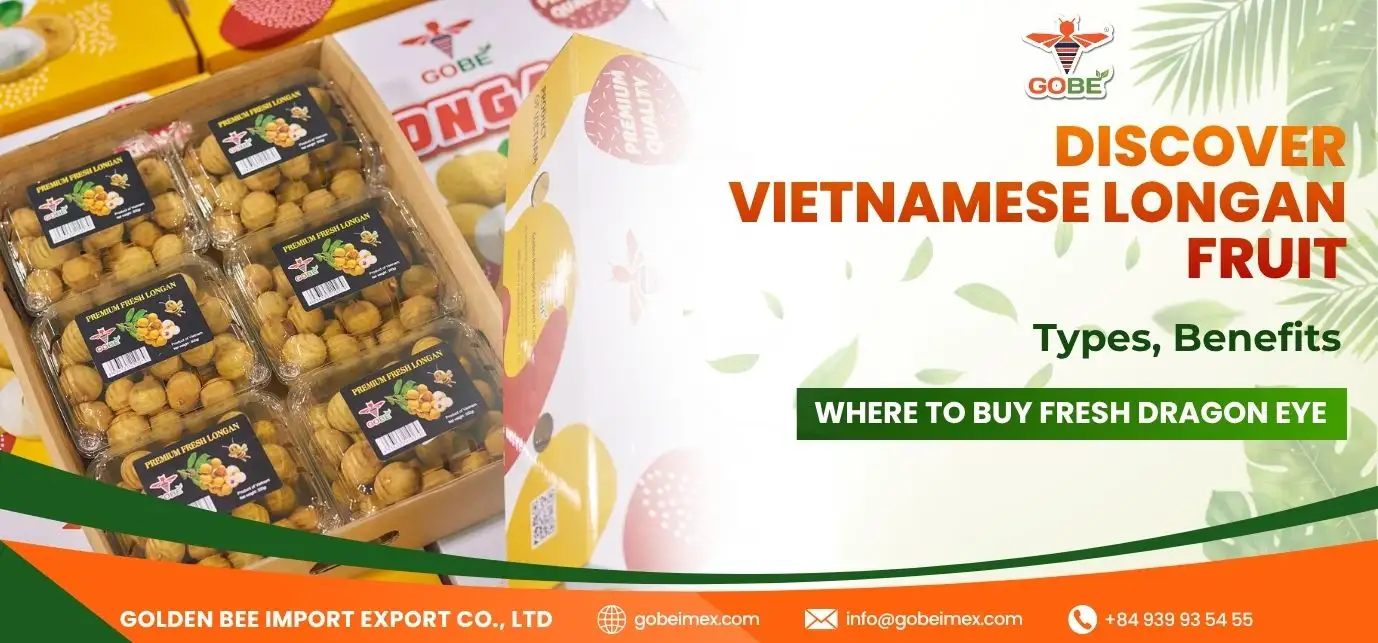
Vietnamese longan fruit, scientifically known as Dimocarpus longan and popularly called “Dragon Eye,” is a premium tropical fruit native to Southeast Asia, with Vietnam standing as one of the world’s largest producers. Grown predominantly across the Mekong Delta provinces of Tien Giang, Dong Thap, and Ben Tre, Vietnamese longan is celebrated internationally for its translucent white flesh, distinctive black seed, and intensely sweet, floral aroma. Beyond its sensory appeal, this fruit carries deep roots in Vietnamese agricultural culture and has earned a respected place in global fresh produce trade.
When exploring the types of Vietnamese longan, buyers and importers encounter a rich diversity of varieties suited to different markets, climates, and purposes. The most commercially significant include Ido longan, the dominant export variety prized for its large size and thick flesh; Hung Yen longan, a northern heritage cultivar known for its aromatic fragrance; Tieu Da Bo longan, favored in the south for heat tolerance; and Xuong Com Vang longan, ideal for processing and drying. Each variety carries a distinct flavor profile, harvest window, and export suitability that shapes sourcing decisions for importers worldwide.
For international buyers seeking fresh Dragon Eye fruit, Vietnamese longan is now available across more than ten global markets including Canada, the UAE, the United Kingdom, Germany, the Netherlands, Japan, and Kuwait. Exporters such as GOBE IMEX (Golden Bee Vietnam) supply 52 weeks per year through GlobalGAP-certified supply chains, with pack-to-farm timelines as short as 12 hours to guarantee peak freshness on arrival.
This guide covers everything you need to know about Vietnamese longan fruit: what it is, which varieties exist, why it delivers exceptional health benefits, and how to source it reliably from trusted Vietnamese exporters.
Related post: Find Fresh Longan Suppliers Exporters in Vietnam for Importers
Vietnamese longan fruit (Dimocarpus longan) is a tropical drupe fruit belonging to the soapberry family (Sapindaceae), named “Dragon Eye” because its round black seed surrounded by translucent white flesh resembles the eye of a dragon when the fruit is halved. This striking visual characteristic, combined with the fruit’s intensely sweet and mildly musky flavor, has made it one of the most recognizable tropical fruits in global markets.
To better understand why Vietnamese longan holds such a distinctive position in world agriculture, it helps to examine its origin, physical characteristics, and cultural significance in detail.
Vietnamese longan originates from the broader Southeast Asian-Southern Chinese growing belt, but Vietnam has developed into one of the most prolific longan-producing nations in the world. The Mekong Delta, particularly the provinces of Tien Giang, Dong Thap, Ben Tre, and Vinh Long, forms the heartland of longan cultivation in the south, while Hung Yen Province in northern Vietnam produces a heritage variety that has been cultivated for centuries.
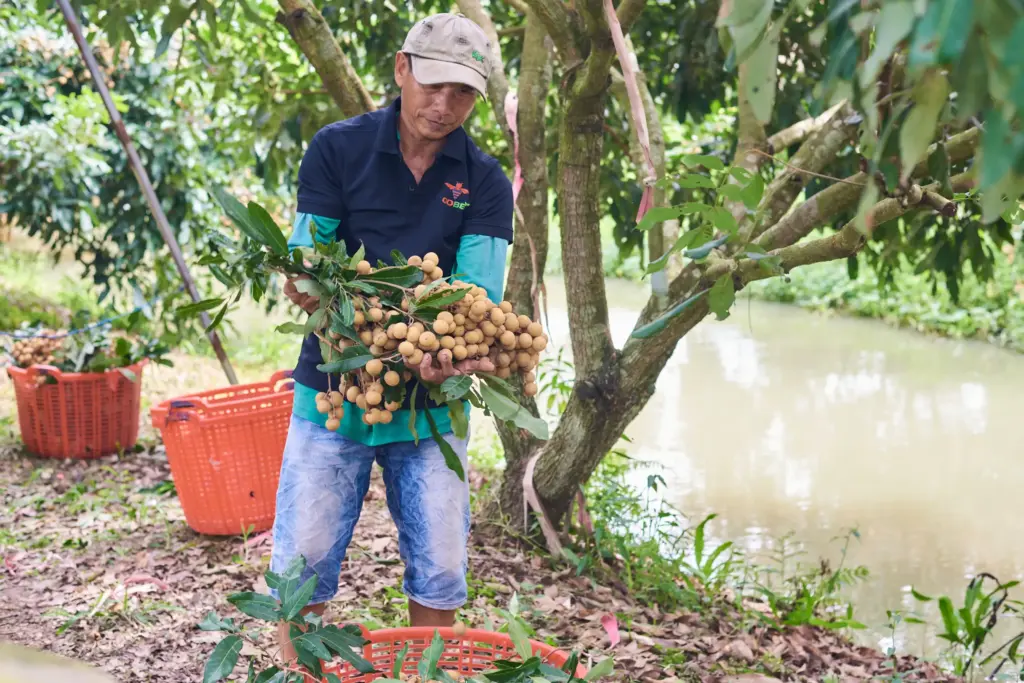
Specifically, Vietnam’s tropical monsoon climate, with high humidity, abundant rainfall, and warm temperatures averaging 25 to 35 degrees Celsius year-round, creates near-ideal growing conditions for longan. These conditions allow Vietnamese longan to develop a higher sugar concentration and more complex aromatic compounds compared to fruit grown in cooler or drier regions.
Culturally, longan occupies a meaningful place in Vietnamese life. It appears as a ceremonial offering during traditional festivals, particularly Tet (Lunar New Year) and ancestral worship rituals, symbolizing prosperity and good fortune. In traditional Vietnamese and Chinese medicine, dried longan pulp (known as “long nhan nhuc”) has been used for centuries as an herbal tonic believed to nourish the blood and calm the mind.
From an agricultural economy standpoint, longan represents one of Vietnam’s most valuable export fruits. According to data from Vietnam’s Ministry of Agriculture and Rural Development, longan consistently ranks among the top five fresh fruits exported from Vietnam by volume, alongside durian, dragon fruit, mango, and rambutan.
Vietnamese longan is small to medium in size, typically ranging from 2 to 3.5 centimeters in diameter depending on the variety, with a thin, rough, yellowish-brown to tan outer shell that becomes brittle when ripe. Beneath the shell lies the defining characteristic of the fruit: a translucent, gel-like white or ivory aril (flesh) that surrounds a single, smooth, dark brown to black seed.
More precisely, the flesh of fresh Vietnamese longan is notably juicy, with a sugar content typically ranging from 17 to 22 Brix (degrees of sugar concentration) in premium export-grade fruit. The flavor is sweet with a gentle floral note, less acidic than lychee and rambutan, making it highly palatable across diverse consumer demographics.
The aroma of fresh Vietnamese longan is one of its most appealing attributes for international buyers. It carries a mild honey-like fragrance that intensifies when the shell is broken, a quality that premium exporters work to preserve through rapid post-harvest packing and unbroken cold chain logistics.
Vietnamese longan is classified into four main commercial varieties: Ido longan, Hung Yen longan, Tieu Da Bo longan, and Xuong Com Vang longan, each differentiated by fruit size, flesh thickness, sweetness level, harvest season, and target export market. This diversity in varieties gives Vietnamese exporters a significant competitive advantage, allowing them to supply different product specifications to buyers with varying preferences throughout the year.
Following this overview of the classification framework, the sections below provide detailed profiles of each variety and the harvest calendar that governs year-round supply.
The four most commercially significant longan varieties grown in Vietnam each serve distinct roles in the domestic and export supply chain. The table below summarizes the key characteristics of these varieties to help importers and buyers make informed sourcing decisions.
| Variety | Average Size | Flesh Thickness | Sweetness (Brix) | Harvest Season | Primary Market |
|---|---|---|---|---|---|
| Ido Longan | Large (25–35g) | Thick | 18–22° | June–August | Export (EU, US, Middle East) |
| Hung Yen Longan | Medium (15–22g) | Medium | 17–20° | July–August | Domestic, China, Japan |
| Tieu Da Bo Longan | Small (10–15g) | Medium-thin | 16–19° | May–July | Domestic, Southeast Asia |
| Xuong Com Vang Longan | Large (20–30g) | Very thick, dry | 19–23° | July–September | Processing, dried export |
Ido Longan is the dominant export variety and the commercial backbone of Vietnam’s fresh longan trade. Developed originally in Thailand but now cultivated extensively across Tien Giang and Dong Thap, Ido longan produces large, uniform fruit with thick, dry flesh that holds up exceptionally well during cold chain transport over long distances. Its high sugar content and visually attractive presentation make it the preferred choice for European, North American, and Middle Eastern supermarket buyers. GOBE IMEX exports Ido longan as one of its primary fresh fruit products, with packing completed within 12 hours of harvest at the Tien Giang facility.
Hung Yen Longan is the heritage variety of northern Vietnam, cultivated in Hung Yen Province for over a thousand years. Smaller than Ido but celebrated for its intense, complex fragrance and delicate sweetness, Hung Yen longan holds special cultural prestige in Vietnam and commands premium pricing in domestic and Chinese markets. The variety’s limited yield and strict seasonal window (peak harvest in July to August) make it a specialty product rather than a high-volume export commodity.
Tieu Da Bo Longan, translated loosely as “buffalo-hide longan” for its rough, textured shell, is a heat-tolerant southern variety widely cultivated across the Mekong Delta. It tends to ripen slightly earlier than Ido, providing an important early-season supply option for exporters. While its flesh is thinner and slightly less sweet than Ido, it remains popular in Southeast Asian markets and among Vietnamese diaspora communities worldwide.
Xuong Com Vang Longan, meaning “golden rice flesh longan,” produces exceptionally thick, dry flesh with very low juice content, making it ideal for processing into dried longan and longan extract products. Fresh Xuong Com Vang is also exported, but its primary commercial value lies in processed applications, including traditional herbal preparations.
Vietnamese longan follows a defined seasonal harvest calendar, but exporters have developed strategic supply approaches to meet year-round international demand. The main harvest season in the Mekong Delta (southern Vietnam) runs from June through September, with peak volume in July and August. In northern Vietnam, particularly Hung Yen Province, the season is shorter, concentrated in July and August.
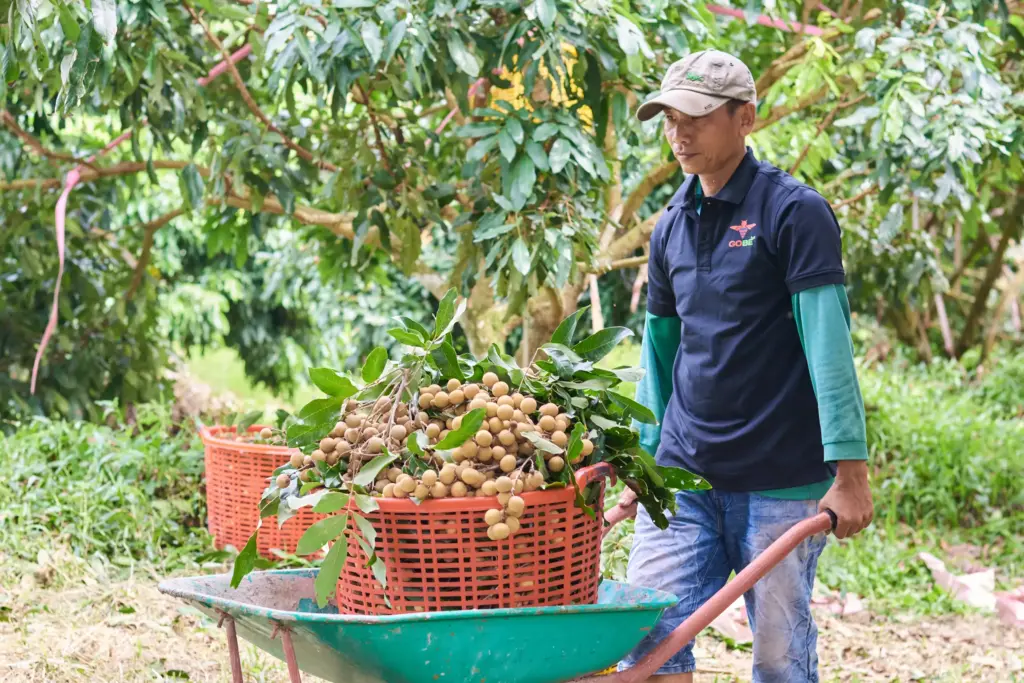
However, understanding “off-season supply” is critical for international importers seeking continuous availability. Vietnamese exporters address seasonal supply gaps through three primary strategies. First, frozen longan (individually quick frozen, IQF) preserves fresh longan flesh for extended periods without significant loss of nutritional value, enabling year-round shipment to markets that accept frozen produce. Second, dried longan (long nhan nhuc) converts the fresh harvest into shelf-stable product with a 12 to 24-month shelf life. Third, multi-region sourcing combines harvests from different provinces that peak at slightly different times, extending the fresh supply window.
For buyers requiring continuous fresh longan supply, exporters such as GOBE IMEX leverage partnerships across 200+ hectares of GlobalGAP-certified growing areas in multiple provinces, enabling a 52-week supply guarantee that smooths out the impact of any single region’s seasonal constraints.
Additionally, harvest timing significantly affects export pricing and quality. Early-season longan (May to June) typically commands higher prices due to limited supply, while peak-season fruit (July to August) offers the best combination of volume, quality, and competitive pricing. Buyers planning annual procurement contracts with Vietnamese exporters should time their orders to align with peak harvest windows for optimal cost efficiency.
Vietnamese longan delivers five key scientifically supported health benefits: immune system strengthening through high Vitamin C content, cardiovascular support through potassium, cellular protection through antioxidant polyphenols, improved sleep and reduced anxiety through natural adenosine compounds, and skin and hair health support through collagen-stimulating Vitamin C. These benefits, combined with longan’s naturally low calorie count and high water content, have elevated it from a regional tropical fruit to a globally recognized functional food.
The nutritional profile of longan is increasingly influencing purchasing decisions among health-conscious consumers in European, North American, and Middle Eastern markets, where demand for exotic tropical superfoods with measurable wellness credentials continues to grow.
Longan fruit is a nutritionally dense tropical fruit that delivers meaningful micronutrient value relative to its calorie content. The following table presents the nutritional composition of fresh Vietnamese longan per 100 grams of edible flesh, based on data from the United States Department of Agriculture (USDA) National Nutrient Database.
| Nutrient | Amount per 100g | % Daily Value (approx.) |
|---|---|---|
| Calories | 60 kcal | 3% |
| Water | 83g | High hydration |
| Carbohydrates | 15.1g | 5% |
| Dietary Fiber | 1.1g | 4% |
| Vitamin C | 84mg | 93% |
| Potassium | 266mg | 6% |
| Riboflavin (B2) | 0.14mg | 11% |
| Copper | 0.17mg | 19% |
| Calcium | 1mg | trace |
| Iron | 0.13mg | 1% |
Specifically, the most notable nutritional feature of Vietnamese longan is its exceptionally high Vitamin C content. At 84mg per 100g, fresh longan provides approximately 93% of the recommended daily Vitamin C intake in a single 100g serving. For comparison, fresh lychee contains approximately 71.5mg of Vitamin C per 100g, and rambutan contains approximately 4.9mg per 100g, making longan significantly superior to these comparable tropical fruits in immune-supporting Vitamin C density.
The fruit’s high water content (approximately 83%) also makes it an effective natural hydration source, particularly valuable in hot climates or post-exercise recovery contexts. This combination of hydration, micronutrient density, and moderate natural sugar content positions longan as a nutritionally balanced fresh fruit choice for a wide range of consumer dietary needs.
The health benefits of eating Vietnamese longan are supported by both modern nutritional science and centuries of application in traditional East Asian medicine. Below are the five most well-documented benefits, each grounded in the fruit’s specific nutritional compounds.
Immune System Strengthening: Longan’s Vitamin C content of 84mg per 100g directly supports immune function by stimulating the production and activity of white blood cells, acting as an antioxidant in immune cells, and reducing the duration and severity of common infections. Vitamin C from whole food sources such as fresh longan is absorbed efficiently by the body, making regular consumption a practical immune support strategy.
Cardiovascular Health Support: Longan provides 266mg of potassium per 100g, a mineral that plays a direct role in maintaining healthy blood pressure by counteracting the vasoconstrictive effects of sodium. The American Heart Association recommends potassium-rich foods as part of a heart-healthy diet, and longan’s potassium density makes it a meaningful dietary contribution toward cardiovascular wellness.
Antioxidant Cellular Protection: Vietnamese longan contains a range of polyphenolic compounds, including ellagic acid, quercetin, and various flavonoids, that neutralize free radicals and reduce oxidative stress at the cellular level. Oxidative stress is a contributing factor to aging, inflammation, and chronic disease development. A study published in the Journal of Agricultural and Food Chemistry (2009) identified longan pericarp and seed extracts as showing significant antioxidant activity, with particular relevance to inhibiting oxidative damage in cellular models.
Sleep Quality and Anxiety Reduction: Longan has been used in Traditional Chinese Medicine (TCM) for centuries as a calming tonic for the nervous system. Modern phytochemical research has identified adenosine and specific phenolic glycosides in longan pulp that interact with the central nervous system in ways that may support relaxation and sleep quality. While clinical trials in human subjects remain limited, the ethnopharmacological evidence and preliminary laboratory findings are consistent with longan’s traditional reputation as a sleep-supportive food.
Skin and Hair Health: The high Vitamin C content in longan plays a critical biochemical role in collagen synthesis. Collagen is the structural protein responsible for skin elasticity, wound healing, and hair strength. Regular dietary Vitamin C intake from fresh sources like longan supports the body’s continuous collagen production, contributing to visible skin health improvements over time.
A reasonable note for consumers: longan contains approximately 15g of carbohydrates per 100g, primarily in the form of natural sugars. While this is well within acceptable limits for most healthy adults, individuals managing diabetes or blood sugar conditions should moderate their intake and consult a healthcare professional.
Fresh Vietnamese longan (Dragon Eye fruit) is available in more than ten international markets across four continents, distributed through a combination of Asian specialty grocery stores, mainstream supermarkets, and direct import channels from certified Vietnamese exporters. The global reach of Vietnamese longan has expanded significantly over the past decade, driven by growing diaspora communities, rising consumer interest in tropical superfoods, and the improved cold chain infrastructure of Vietnamese export operations.
Understanding which markets currently import Vietnamese longan and how to identify a reliable exporter are the two most important practical steps for importers, distributors, and retail buyers seeking to source this fruit at commercial scale.
Vietnamese longan is currently exported to markets across North America, Europe, the Middle East, and Asia. The primary importing countries include Canada (a major destination driven by large Vietnamese and Chinese diaspora communities), the United Arab Emirates, the United Kingdom, Germany, the Netherlands, Japan, Kuwait, the Maldives, and Russia.
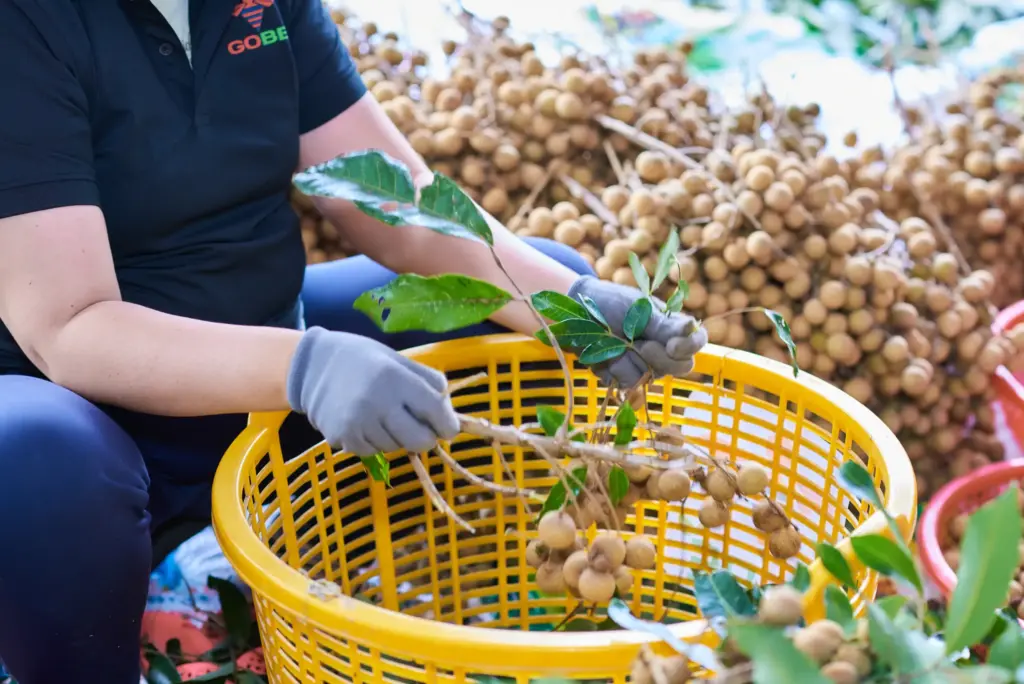
In North America, Vietnamese longan is predominantly distributed through Asian grocery store chains and increasingly found in mainstream supermarkets as tropical fruit sections expand to accommodate growing consumer curiosity. In Europe, Germany and the Netherlands serve as key distribution hubs, from which Vietnamese longan is redistributed to retailers across the broader EU market. In the Middle East, the UAE functions as the primary import gateway, with re-export to Gulf Cooperation Council (GCC) countries.
The trend trajectory for Vietnamese longan exports is strongly positive. Vietnam’s fresh longan exports to the European Union have grown year-on-year as EU retailers diversify their tropical fruit offerings and Vietnamese exporters improve their compliance with EU food safety and residue standards. Similarly, North American demand has been supported by Vietnam’s FDA registration status, which enables direct export to the United States and Canada without the additional regulatory hurdles faced by non-registered suppliers.
For Vietnamese longan to enter international markets, it must meet specific certification and compliance standards. The most critical of these are:
Exporters that hold all five of these certifications represent the highest tier of supply chain compliance and are the preferred sourcing partners for major international supermarket chains.
Choosing a reliable Vietnamese longan exporter requires evaluating five core criteria: international certifications, cold chain capability, farm-to-pack timeline, supply volume consistency, and responsiveness to buyer specifications. Each of these criteria directly impacts the quality, safety, and commercial viability of the longan you receive.
International Certifications are the non-negotiable baseline. A trustworthy exporter must hold at minimum GlobalGAP certification, with additional GRASP, ISO, FDA, and Sedex certifications indicating a higher level of supply chain governance. These certifications are independently audited and provide buyers with verifiable assurance that the longan was produced and packed to internationally recognized standards.
Cold Chain Capability is equally critical. Fresh longan is highly perishable, with shelf life dropping rapidly if temperature control is interrupted at any point between harvest and delivery. Reliable exporters operate their own fleet of refrigerated container trailers and maintain unbroken cold chain from farm to packing house to port of export. This capability directly determines the fruit’s shelf life on arrival at destination ports.
Farm-to-Pack Timeline is one of the most revealing indicators of an exporter’s commitment to freshness. The industry benchmark for premium fresh longan is packing within 12 hours of harvest. Exporters who operate packing facilities located directly within key growing regions, rather than transporting fresh fruit to distant urban centers for packing, are structurally positioned to meet this benchmark consistently.
GOBE IMEX (Golden Bee Vietnam) exemplifies this model. The company operates its main packing house in Tien Giang Province, the geographic heart of Vietnam’s longan and tropical fruit growing region, enabling the 12-hour farm-to-pack timeline to be maintained reliably for every shipment. A second facility in Ho Chi Minh City consolidates produce from additional growing regions, broadening the product range and ensuring supply flexibility.
GOBE IMEX’s sourcing network covers more than 30 hectares of company-owned farmland and 200+ hectares of partner farms, all operating under GlobalGAP certification. The company holds the full suite of international certifications: GlobalGAP, GRASP, ISO, FDA, and Sedex, positioning it as a fully compliant supply partner for buyers in the EU, North America, the Middle East, and Asia.
Supply Volume Consistency is the final critical factor. International buyers, particularly supermarket chains and distributors, require predictable, uninterrupted supply throughout the year. GOBE IMEX’s 52-week supply guarantee, achieved through a combination of multi-region fresh sourcing, IQF frozen longan, and dried longan products, ensures that buyers can maintain continuous shelf availability without sourcing gaps.
To initiate contact, request product samples, or obtain pricing for fresh Vietnamese longan and other tropical fruits, buyers can reach GOBE IMEX through the following channels:
Vietnamese longan is meaningfully different from Thai and Chinese longan in terms of flavor profile, production cost structure, and supply chain efficiency, with Vietnam offering a competitive combination of distinctive taste characteristics, lower production costs, and rapidly improving export logistics. The global longan market is dominated by three major producing nations: Vietnam, Thailand, and China, each contributing different product profiles and commercial advantages.
Specifically, the Mekong Delta’s alluvial soil composition and tropical climate produce longan with a distinctive sweetness and aromatic intensity that differs from Thai longan (which tends toward a slightly milder, more neutral flavor) and Chinese longan (which varies widely by province but often presents a more astringent quality). Vietnamese longan’s flavor characteristics are particularly valued in Middle Eastern and European markets where consumers prefer intensely aromatic tropical fruit.
Additionally, longan in Vietnamese traditional medicine occupies a special role. Dried Vietnamese longan pulp, known as “long nhan nhuc” in Vietnamese and “long yan rou” in Chinese, is classified as a tonic herb in Traditional East Asian Medicine. It is prescribed to nourish the heart and spleen, supplement blood, and calm the mind. This application extends the commercial value of Vietnamese longan beyond fresh fruit into the herbal supplement and functional food categories, a growing market segment in Europe, North America, and East Asia.
Fresh longan should be stored at 1 to 5 degrees Celsius with 90 to 95% relative humidity to maximize shelf life. Under these ideal cold storage conditions, fresh longan maintains quality for 1 to 2 weeks. At room temperature, the shelf life drops to only 2 to 3 days before fermentation and shell browning occur. Frozen longan stored at -18 degrees Celsius remains acceptable for 3 to 6 months.
For consumers and retailers, identifying high-quality fresh longan at point of sale involves four visual and sensory checks: the shell should be intact with no cracks or soft spots; the color should be uniform yellowish-brown without dark patches; there should be no fermented or sour aroma; and the flesh should be firm and translucent, not watery or collapsed. An unbroken cold chain from farm to retail shelf is the single most important factor in ensuring that fresh Vietnamese longan meets these quality standards upon arrival.
Yes, you can eat longan every day, but with moderate portion control. The recommended serving size for healthy adults is 10 to 15 longan fruits per day (approximately 100 grams), which delivers nearly a full day’s Vitamin C requirement while keeping sugar intake within a healthy range.
Certain groups should exercise additional caution. Individuals managing diabetes or blood sugar conditions should limit portions due to longan’s natural sugar content of approximately 15g per 100g. In Traditional Chinese Medicine, longan is classified as a warming food, meaning pregnant women are typically advised to consume it in limited quantities, particularly during the first trimester. People with existing digestive sensitivity may find large quantities of longan cause mild bloating due to the fruit’s fructose content.
For most healthy adults, incorporating 100g of fresh longan into a balanced daily diet is a nutritionally sound practice that delivers measurable micronutrient benefits alongside natural hydration and antioxidant protection.
Gobeimex — Elevating Vietnamese Produce, Connecting Global Markets.
To learn more about export-grade Vietnamese longan certified to GlobalGAP, GRASP, ISO, FDA, and Sedex standards, contact GOBE IMEX (Golden Bee Vietnam): Info@gobeimex.com | +84 939 93 54 55 | gobeimex.com